
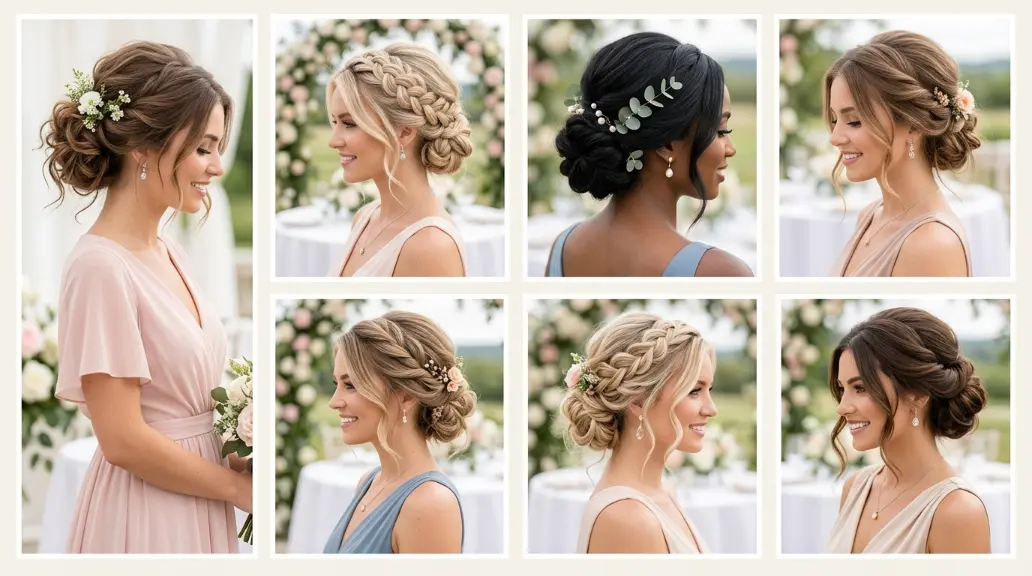
Standing beside someone on the most important day of their life is a privilege, and every bridesmaid deserves to look and feel her absolute best while doing it. For women with thin hair, however, choosing the right updo can bring a layer of anxiety to an already busy wedding season. Concerns about visible scalp, styles that fall flat before the ceremony ends, or updos that simply look too sparse are common and completely valid. What many bridesmaids do not realize is that thin hair is genuinely one of the most workable hair types when it comes to elegant, long-lasting updos. The secret lies in understanding which styles work with fine hair rather than against it, and in using the right preparation and techniques to build a foundation that holds all day. The 12 ideas ahead are specifically chosen for their compatibility with thin hair, and each one can be adapted to suit a wide range of wedding themes, dress styles, and personal tastes.
Understanding Why Thin Hair Needs a Tailored Approach
Thin hair refers to the diameter of each individual strand rather than the overall density of hair on the scalp, though the two qualities often appear together. Fine strands carry less natural weight, which means they respond quickly to gravity and have a tendency to slip out of pins and elastics more easily than coarser hair types. They also absorb product quickly, which makes it easy to over-apply and weigh the hair down. Once you understand these tendencies, you can make styling decisions that account for them at every step. The most successful bridesmaid updo hairstyles for thin hair share a few qualities: they avoid harsh center parts that expose the scalp, they incorporate texture to add the visual impression of density, and they are secured with enough pins to remain intact through hours of celebration.
The Low Chignon
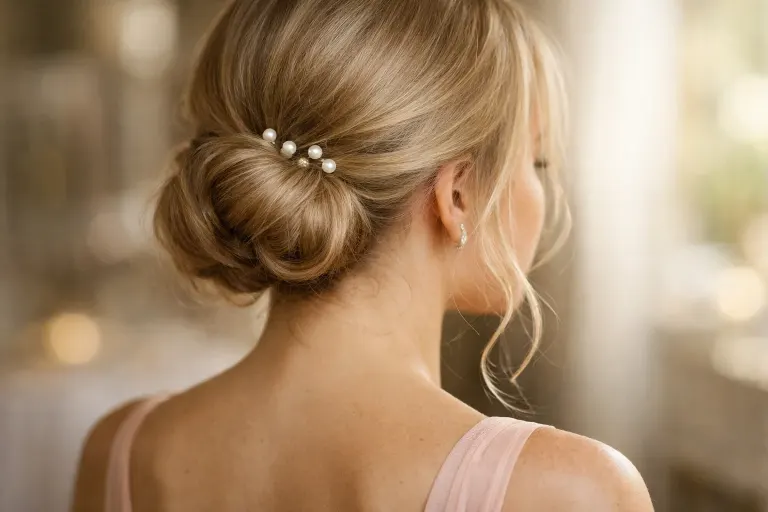
The low chignon is consistently ranked among the most flattering updo options for thin hair because it collects all of the hair into a single, controlled shape at the nape of the neck. This positioning works with the natural weight of fine strands rather than requiring them to hold structure against gravity. To maximize its impact on thin hair, the crown section should be lightly teased before smoothing the surface layer over it. This creates a gentle dome of fullness at the top of the head that reads as natural volume. Leaving one or two soft tendrils on either side of the face adds romance and draws attention to the facial features rather than the hair itself.
The Twisted Low Bun
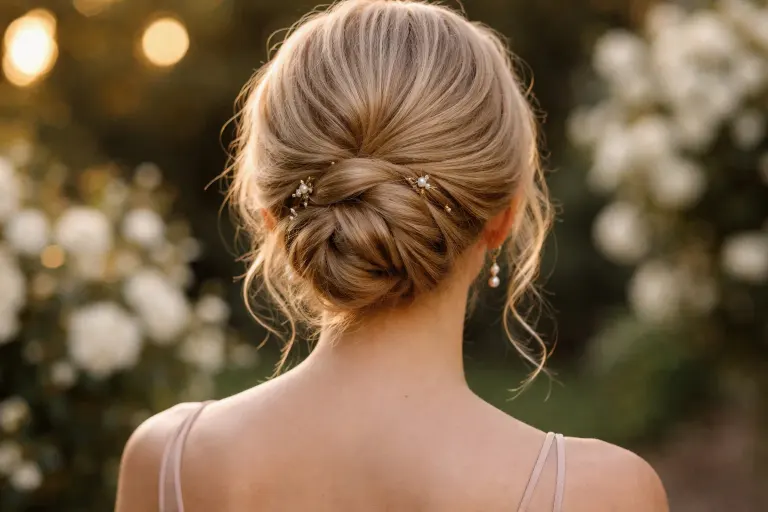
Closely related to the chignon in placement but richer in surface texture, the twisted low bun involves dividing the hair into sections and twisting each one before wrapping the gathered sections into a bun at the base of the neck. The twists create multiple layers of dimension on the surface of the style, which gives the impression of a fuller, more complex arrangement. For thin hair, this technique is particularly effective because it uses the entire length and weight of the hair to build a compact shape that does not collapse.
The Classic French Twist
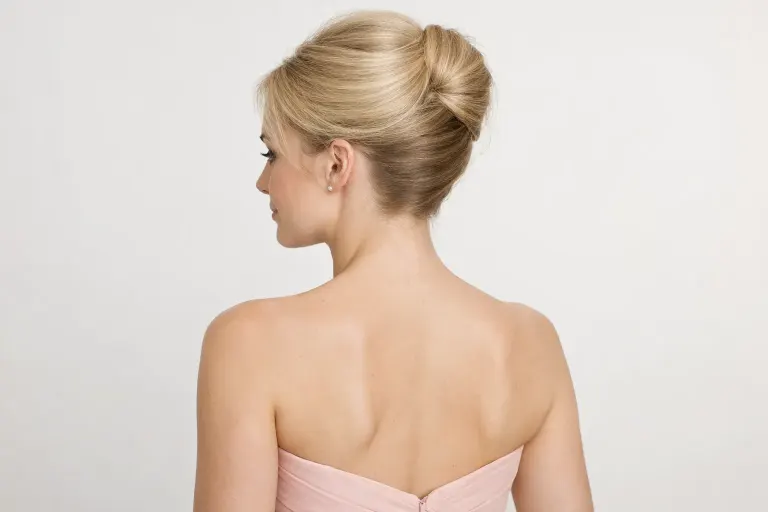
The French twist has remained a fixture in bridal styling for decades because it is inherently kind to fine hair. All of the hair is swept back toward the center of the head and then rolled vertically, with the fold secured by pins along the spine of the twist. Because the hair is wrapped inward, the visible outer surface appears smooth and solid without revealing any thinning. A modern variation leaves a few loose strands at the crown for a slightly undone quality that feels fresh and contemporary while still being fully appropriate for a formal wedding.
The Braided Updo
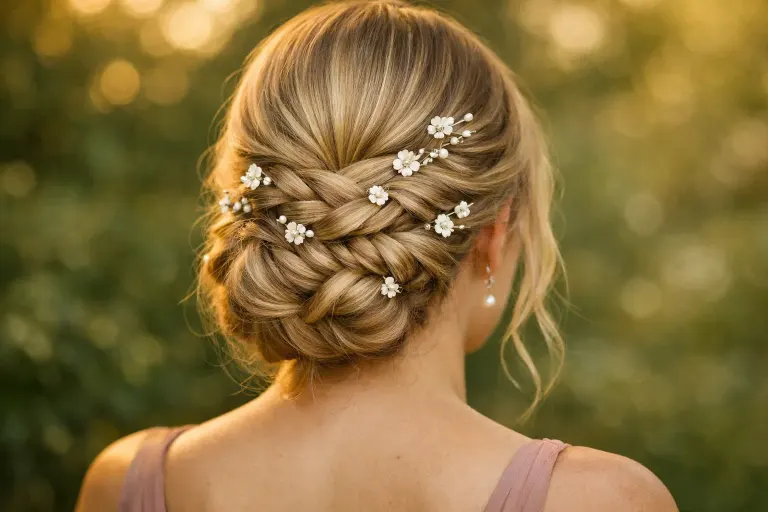
Braids are among the most powerful tools available for thin hair styling because they physically combine strands into a unified structure that appears much thicker than individual sections would suggest. A three-strand or fishtail braid woven through a low bun or pinned across the back of the head adds both texture and the visual impression of density. To make any braid appear fuller, gently pull the outer edges of each section outward after plaiting. This technique, known as pancaking, transforms even a very fine braid into a wider, more substantial feature.
The Teased Crown Updo
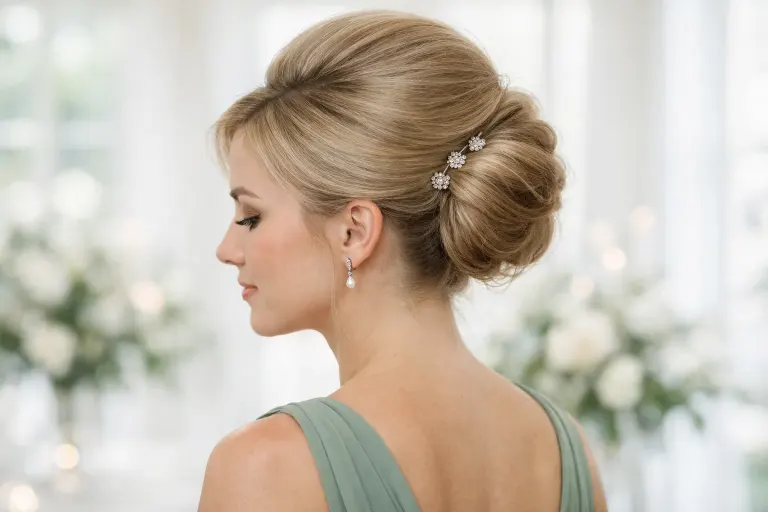
When thin hair tends to collapse at the crown, teasing is one of the most effective corrective tools a stylist can use. Using a fine-tooth comb to gently backcomb the roots of the crown section creates immediate lift at the top of the head. Once the surface layer is smoothed carefully over the teased section, the style shows a polished appearance with genuine height. The remaining hair can be gathered and pinned into any number of low shapes at the back. This approach gives thin-haired bridesmaids a more elevated, formal silhouette without requiring additional hair.
The Soft Pinned Curls Updo
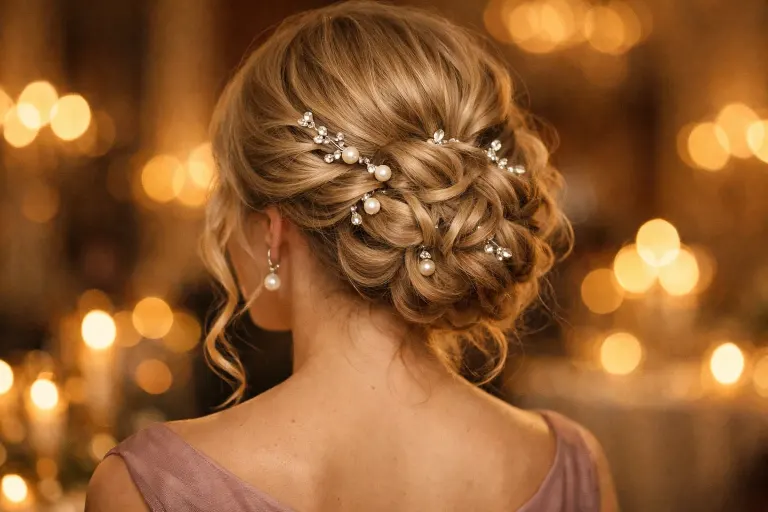
Curls introduce significant texture and apparent volume to thin hair, which makes them an excellent foundation for an updo. Rolling sections of hair with a medium-barrel curling iron and then pinning each individual curl to the back of the head in a layered, overlapping pattern creates a style that reads as lush and romantic regardless of the hair’s actual density. A few loose curled tendrils left around the face soften the overall impression and balance the formality of the gathered curls at the back.
The Half-Up Twisted Style
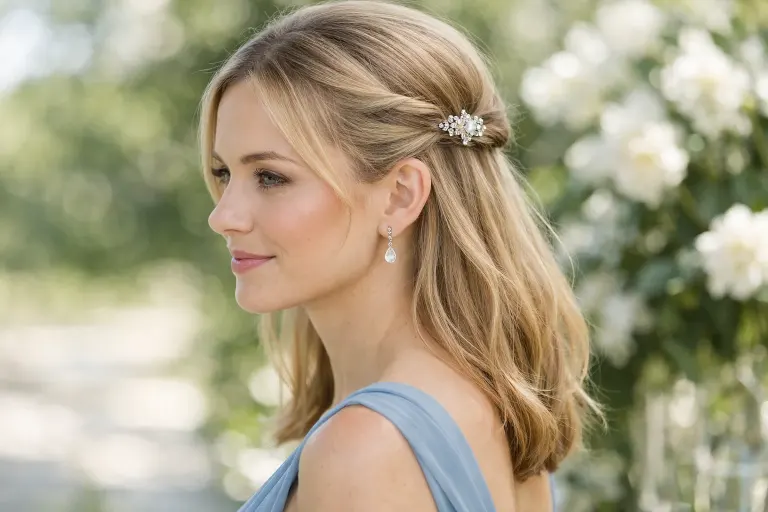
The half-up style is a strategic choice for bridesmaids with thin hair because it focuses the styling effort on the most visible area, which is the crown and upper back of the head, while allowing the lower section to fall naturally. Taking two sections from either side of the crown, twisting them toward each other, and securing them at the center back with pins or a decorative clip creates a clean, intentional look that adds definition at the top of the head without requiring a full updo. This style pairs particularly well with delicate accessories and works across a wide range of hair lengths.
The Bubble Braid Updo
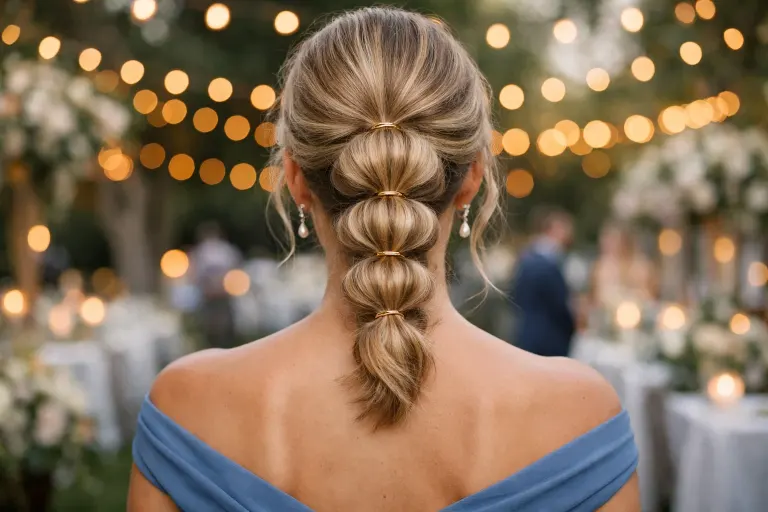
The bubble braid has become a popular modern choice in bridal styling, and it adapts beautifully for thin hair when the sections between each elastic are gently pulled outward to exaggerate the rounded shapes. Pinning the end of the gathered style upward rather than allowing it to hang transforms this look into a full updo while retaining its playful, contemporary character. The illusion of fullness created by the expanded bubbles makes this one of the most visually impactful choices for fine hair.
The Accessories-Led Romantic Updo
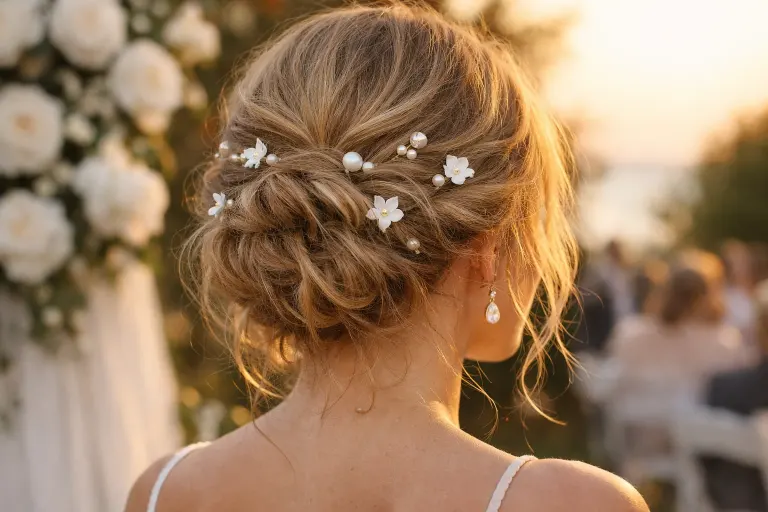
One of the most underused strategies for thin-haired bridesmaids is allowing hair accessories to carry the visual weight of the style. A loosely gathered updo secured with pearl pins, floral clips, or a decorative comb shifts the viewer’s attention to the embellishment rather than the hair itself. This approach is forgiving of any areas of fine density and requires fewer pin points than more structured styles, which means less tension on the scalp and greater comfort across a long wedding day.
The Textured Messy Bun
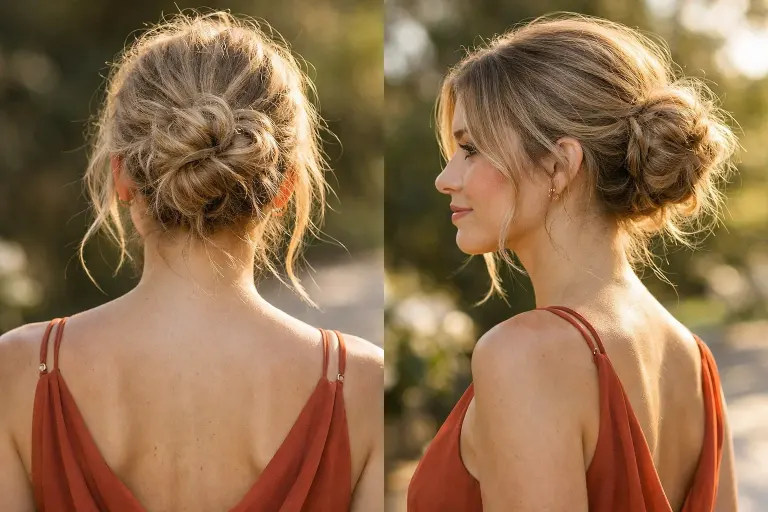
The messy bun earns its place in bridal styling not because it is informal, but because its deliberately undone quality means that any thin areas of the hair blend into the overall texture of the style rather than standing apart. The key preparation step for thin hair is applying a texturizing spray or a small amount of dry shampoo before building the bun, as these products add grip to the strands and make them far easier to pin securely. The resulting style reads as effortlessly chic while providing a practical, long-lasting hold.
The Side-Swept Low Updo
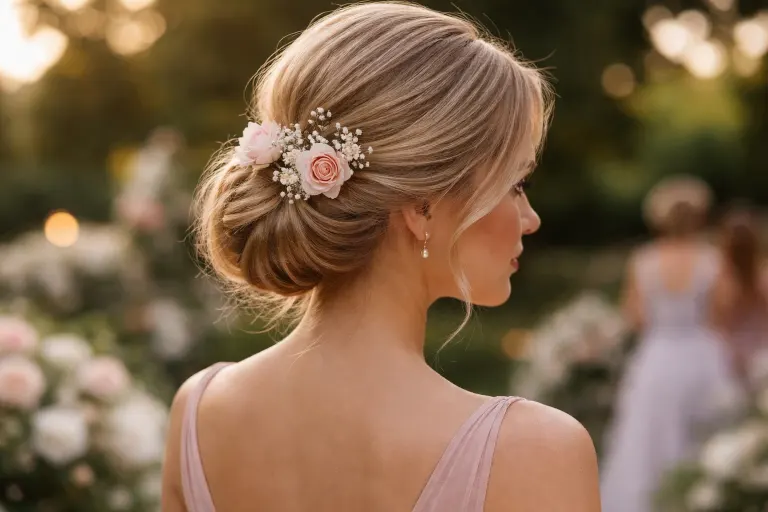
Parting the hair to one side and sweeping it across into a gathered, secured arrangement on the opposite side avoids the center part that so often draws attention to thinning at the crown. The single directional flow of this style consolidates the hair in a way that creates natural coverage across the top of the head. The gathered section can be finished as a loose twist, a soft braid, or a pinned cluster depending on the formality of the wedding, offering genuine versatility within a single, thin-hair-friendly framework.
The French Braid into Low Bun
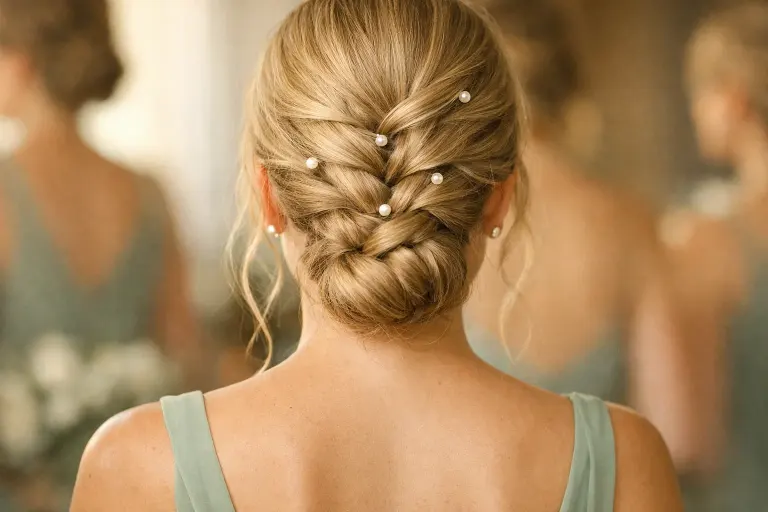
Combining a French braid from the crown down with a low bun at the nape of the neck makes use of two of the most volume-friendly techniques available for thin hair in a single cohesive style. The French braid section gathers hair from the top and sides of the head as it progresses downward, incorporating every strand into the visible structure. Because the braid works with accumulated sections, the result naturally appears fuller and more substantial. The transition into a bun keeps the overall look polished and fully appropriate for a formal or semi-formal wedding.
Preparation Tips That Make Every Style Last
The foundation of any successful updo on thin hair is built before a single pin is placed. Starting the day before with a volumizing shampoo and a lightweight conditioner applied only to the ends preserves the root lift that fine hair needs. On the wedding morning, blow-drying with a round brush in an upward direction sets a foundation of volume that will carry through the entire styling process. A small amount of dry shampoo worked into the roots before styling adds texture and grip, and a flexible-hold hairspray applied at each stage of the updo ensures the finished style remains intact through the ceremony, the photographs, and the dancing that follows.
Conclusion
Thin hair is never a reason to compromise on elegance or confidence as a bridesmaid. Each of the 12 styles covered in this guide offers a specific, proven approach to creating an updo that looks full, polished, and intentional on fine hair. Whether the wedding calls for a classic French twist, a romantic pinned curls arrangement, or a modern bubble braid updo, the right style is absolutely achievable with the right preparation and a skilled stylist who understands how to work with fine strands. The key insight that connects every style on this list is the same: thin hair responds best to texture, strategic pinning, and choices that work with its natural qualities rather than against them. With that approach in place, every bridesmaid can walk into the venue feeling completely confident in her appearance from the first photograph to the final song.
FAQs
1. Can thin hair really hold an updo for a full wedding day?
Yes. With proper preparation using texturizing products and dry shampoo for grip, along with sufficient bobby pins and a flexible-hold hairspray applied throughout the styling process, thin hair can maintain a well-built updo for an entire wedding day without significant drooping or slipping.
2. Do bridesmaids with thin hair need extensions for an updo?
Extensions are helpful but not required. Many updo styles such as the French twist, twisted low bun, and low chignon are specifically designed to look full and complete on fine hair without any additional hair being added.
3. Which updo is the safest choice for very fine, short thin hair?
For shorter thin hair, the soft pinned curls updo and the half-up twisted style with accessories tend to be the most reliable options because neither requires significant length to execute and both create a finished look that reads as intentional and polished.
4. What products should a bridesmaid with thin hair use before styling an updo?
The most effective products for thin hair updos are a volumizing mousse applied to damp hair, dry shampoo for root texture and grip on the day of the wedding, a light texturizing spray for added hold, and a flexible-hold hairspray to set each section of the updo as it is built.
5. How can a bridesmaid with thin hair avoid showing her scalp in an updo?
Choosing styles that avoid a harsh center part is the first step. The side-swept low updo, the French twist, and the French braid into low bun all provide natural coverage across the top of the head. Root-toned dry shampoo or a hair fiber powder in a matching shade can also minimize the appearance of any visible scalp before and after styling.