
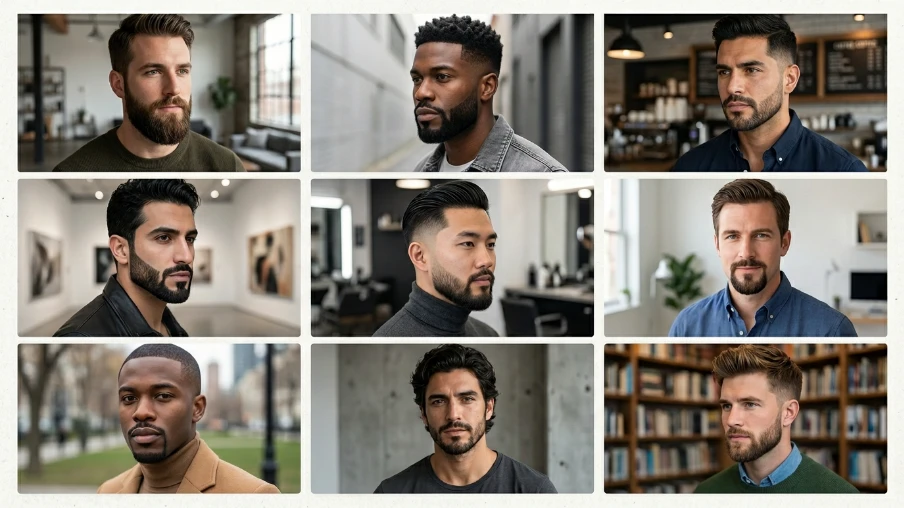
Not every man is born with a naturally defined, angular jawline. For many men, the jaw area is softer, rounder, or less pronounced than they would like, and this is one of the most common grooming concerns that comes up in barber consultations worldwide. The jaw and chin area have a significant effect on the overall perception of masculine facial structure, and a softer jaw can sometimes make the face appear less defined even when the rest of the features are strong.
The good news is that beard styles for weak jawlines have been refined and developed to a point where the right facial hair can genuinely transform how the lower face reads. A well-chosen and properly maintained beard does not just cover the jaw area. It reshapes it visually, adding angles, creating shadows, and building a structural framework around the lower face that the underlying bone structure alone may not provide.
The key is knowing which styles actually work for this specific concern and which ones make a soft jawline appear even less defined. Not every beard style works in the same direction. Some create width where width is not needed. Others add vertical length that balances the face. Understanding the visual logic behind each style is what makes the difference between a beard that helps and one that simply exists.
This guide covers 18 of the best beard styles for weak jawlines in 2026, with practical advice on what makes each style work, how to achieve it, and how to maintain it for consistent results.
Why the Right Beard Style Makes Such a Difference
Before getting into the specific styles, it helps to understand the visual principles that make certain beard styles effective for weak jawlines while others are not.
Visual weight creates perceived structure. When beard hair is concentrated along the jawline and chin area, it adds visual mass to a region that may naturally lack definition. The eye reads this mass as structure, which creates the perception of a more angular and defined jaw even when the underlying bone structure is soft.
Sharp lines create the illusion of angles. A beard with precisely shaped edges at the cheek line and along the jaw creates angular lines that the face itself may not have naturally. These lines function similarly to contouring in makeup, using contrast and definition to suggest a bone structure that is sharper than reality.
Neckline placement is critically important. A beard that extends too far down the neck adds visual weight below the jaw rather than at the jaw, which makes the chin and jaw area appear to merge with the neck and reduces rather than creates definition. A properly placed neckline, sitting at approximately two finger-widths above the Adam’s apple, is the single most impactful detail in any jawline-defining beard style.
Length at the chin creates projection. Adding slightly more length at the chin than at the sides of the beard creates a visual elongation effect that makes the chin appear to project forward more than it actually does, which is precisely what a weak jawline needs.
18 Beard Styles for Weak Jawlines in 2026
1. The Short Boxed Beard
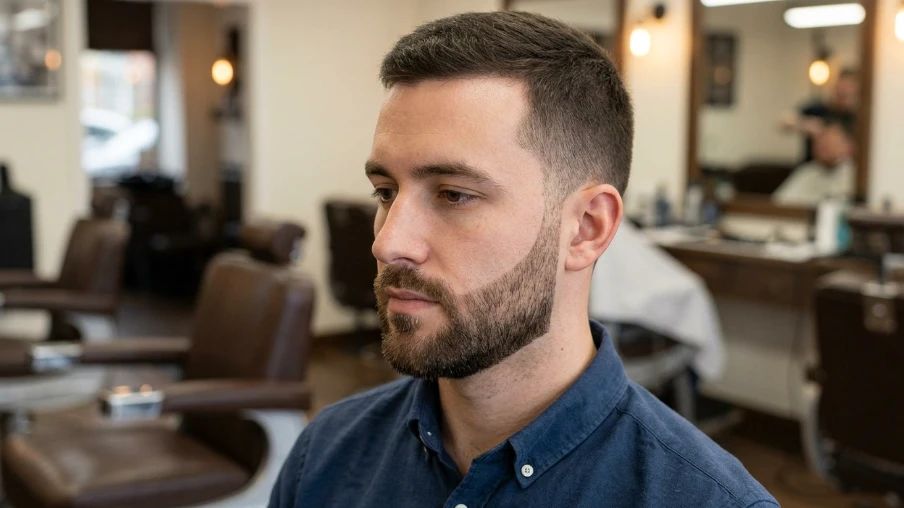
The short boxed beard is one of the most effective and universally recommended beard styles for weak jawlines because its specific shape addresses the visual problem directly. The style features neat, clean sides with a defined cheek line, a consistent short length of approximately one to two centimeters throughout, and sharp geometric edges along the jaw and neckline that create the angular definition the natural jaw lacks.
The boxed shape of this beard traces the jaw with clean lines on both sides, which visually maps an angular jawline onto the face regardless of the underlying bone structure beneath. It is one of the most consistently requested barber beard styles precisely because it works for almost every face shape and jawline type.
For weak jawlines specifically, request a slightly tighter cheek line and sharper jaw corners from your barber to maximize the angular quality of the boxed shape.
2. Heavy Stubble Beard

Heavy stubble, typically between three and five millimeters in length maintained consistently across the beard area, is one of the most accessible and effective beard styles for men with weak jawlines who want a result that looks natural rather than obviously styled. The heavy stubble creates a shadow effect along the jaw that adds definition and weight to the lower face without the maintenance demands of a longer beard.
The key to making heavy stubble work for jawline definition is in the edge work. Stubble that is allowed to grow without defined cheek and neckline edges simply looks like unshaved growth. Heavy stubble with precise, sharp edges at the cheek line and a clean neckline looks intentional and creates the angular quality that defines the jawline effectively.
A beard fade from slightly longer stubble at the chin and jaw to shorter or bare skin at the cheeks can add an additional contouring effect that further defines the jaw area.
3. Full Beard with Defined Edges
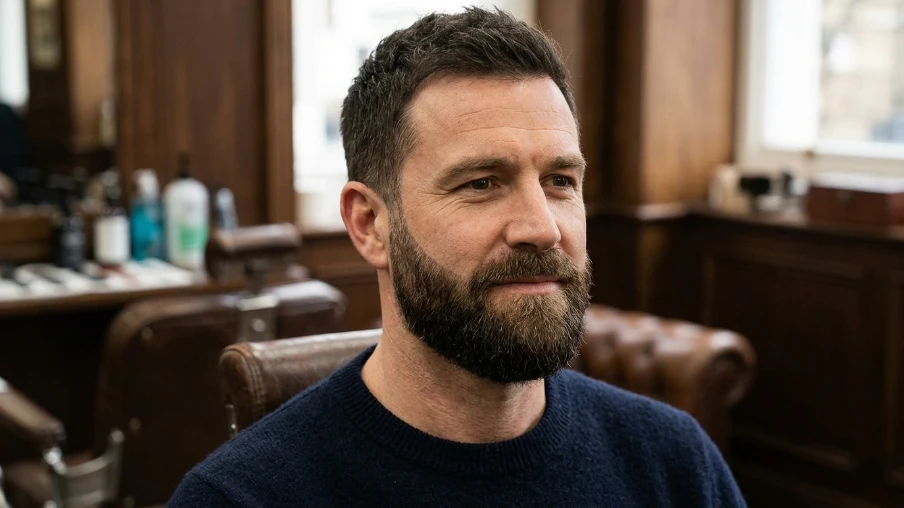
A full beard for weak jawline situations works particularly well when the density of the beard is managed to be heavier at the chin and jaw than at the cheeks. This specific distribution of beard density creates a visual anchoring at the lower face that makes the jaw appear wider and more projected than it naturally is.
The full beard style requires the most maintenance of any style on this list but also produces the most dramatic jawline transformation. A full beard with sharp cheek lines, a clean neckline, and slightly more length at the chin creates a genuinely sculptural lower face framing that reads as strong and masculine regardless of the natural jaw structure beneath.
Regular application of beard oil and consistent trimming to maintain the shape and distribution of density is essential for keeping a full beard looking intentional rather than simply grown-out.
Quick Comparison: Beard Styles for Weak Jawlines at a Glance
| Beard Style | Length | Maintenance Level | Best for Face Shape | Jawline Enhancement |
|---|---|---|---|---|
| Short Boxed Beard | 1 to 2 cm | Medium | All face shapes | Very strong |
| Heavy Stubble | 3 to 5 mm | Low to medium | Round, oval | Strong |
| Full Beard with Defined Edges | 2 to 4 cm | High | Oval, oblong | Very strong |
| Beard Fade | Varies | Medium to high | All face shapes | Very strong |
| Chin Strap | 1 to 2 cm | Medium | Round, square | Strong |
| Goatee with Defined Edges | 1 to 3 cm | Low to medium | Round, oval | Medium to strong |
| Faded and Sculpted Combo | Varies | High | All face shapes | Very strong |
4. The Beard Fade
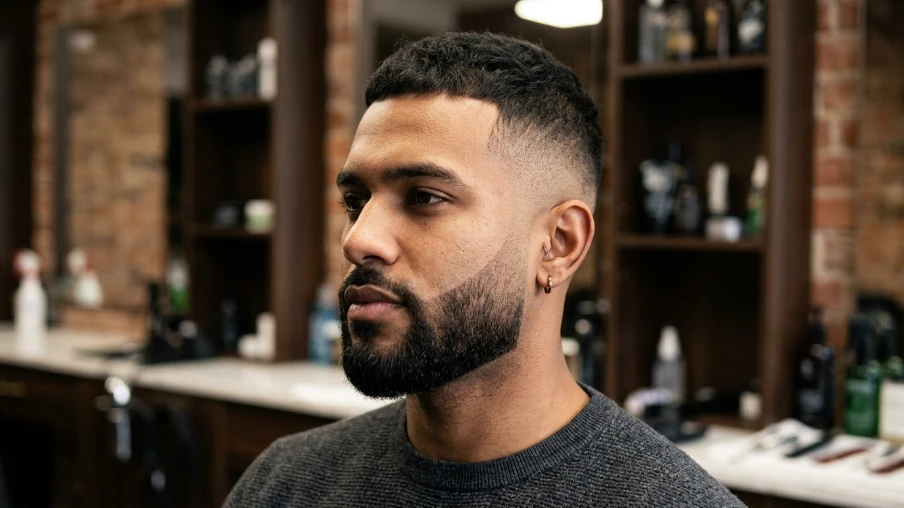
A beard fade combines the gradual transition of a barber fade with the structural benefits of a defined beard style, creating one of the most sophisticated and jawline-enhancing beard looks available. The fade begins with very short or bare skin at the upper cheek area and gradually increases in density and length toward the jaw and chin, which concentrates the visual weight of the beard precisely where it is most needed for jaw definition.
The beard fade with fade haircut combination is particularly effective because the continuity between the head fade and the beard fade creates a unified visual flow that makes the jaw and lower face the natural focal point of the overall grooming look. This concentration of attention at the jaw area contributes significantly to the perception of a defined and structured jawline.
5. The Chin Strap Beard

The chin strap beard style follows the jawline directly from one ear across the chin to the other ear with a consistent narrow band of facial hair. It is one of the most specifically targeted beard styles for jawline definition because it literally traces and maps the jaw structure with facial hair, creating a visible line where the jaw is.
For weak jawlines, the chin strap works best when it is kept at a clean, consistent width of approximately one to two centimeters and maintained with sharp edges on both the upper and lower sides. The defined edges of the chin strap create angular lines that the natural jaw may lack, and the concentration of hair directly along the jaw path adds visual emphasis to that specific area.
6. The Angular Beard Style
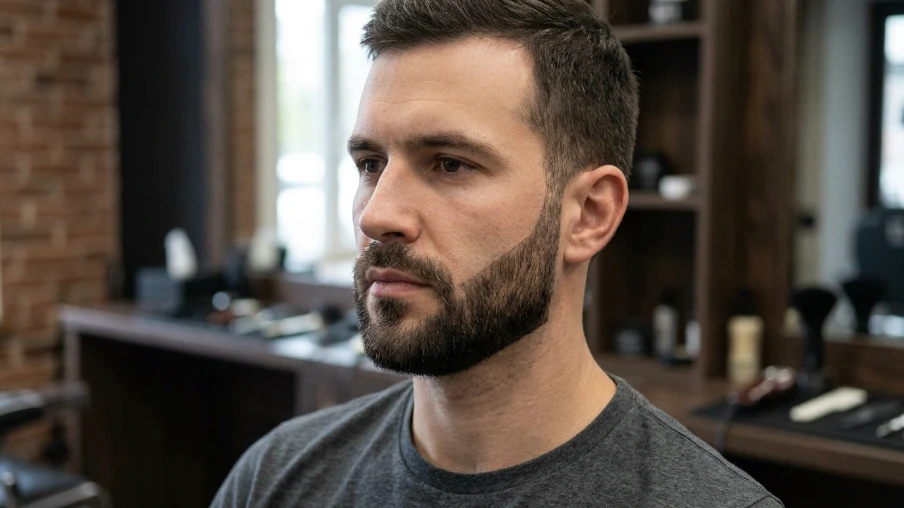
An angular beard is shaped with deliberately geometric cheek lines that create sharp corners at the points where the cheek line meets the sideburn area. Rather than a rounded or natural cheek line that follows the curve of the face, the angular beard uses straight, diagonal lines that create a sharp, structural quality around the upper part of the beard.
Combined with a clean neckline and defined jaw edges, the angular beard style creates one of the strongest visual impressions of facial angularity available through beard styling. For men with weak jawlines, the angular cheek line adds perceived sharpness to the upper jaw area that the softer natural structure does not provide.
7. The Goatee with Defined Edges
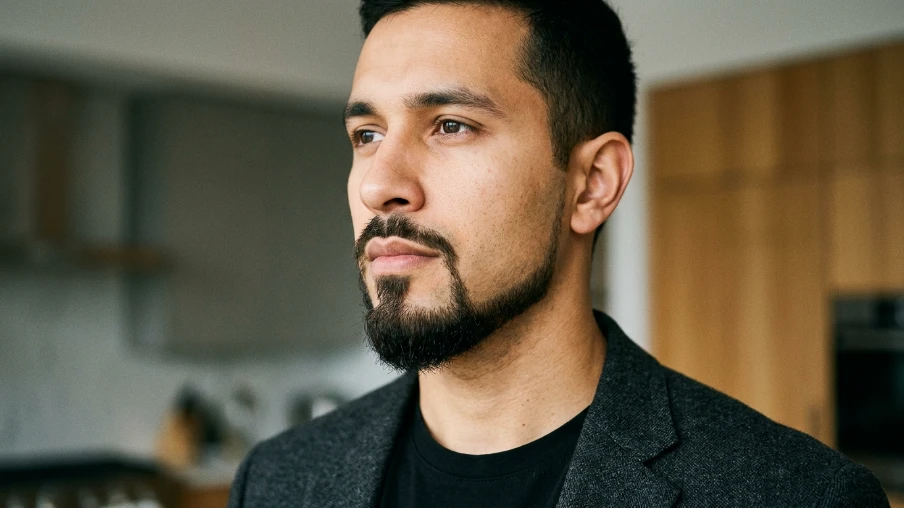
A goatee beard style concentrates facial hair at the chin and immediately around the mouth while leaving the cheeks clean-shaven. For men with weak jawlines, the goatee works by creating a strong visual focal point at the chin area that draws the eye downward and creates the perception of chin projection and jaw definition.
The most effective goatee style for jawline definition keeps the chin section slightly longer than the mustache section, which adds vertical length to the chin and creates a projecting effect. Sharp, precise edges are essential. A goatee with soft, undefined edges loses most of its jawline-defining benefit.
8. The Circle Beard
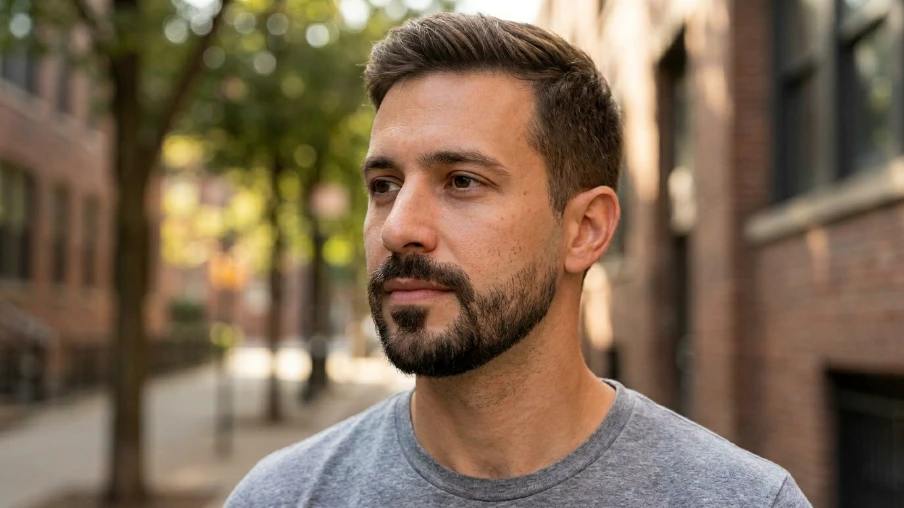
The circle beard style combines a rounded mustache with a rounded chin beard of approximately equal size, connected at both sides to create a complete circle of facial hair around the mouth. It is a clean, symmetrical style that creates a strong vertical focal point at the center of the lower face.
For weak jawlines specifically, the circle beard works by concentrating visual attention at the chin and mouth area, which creates the impression of a more forward-projecting chin. It also creates a clear separation between the jaw area and the neck through the clean shaved sides, which adds definition to the lower face perimeter.
9. The Sculpted Beard Shape
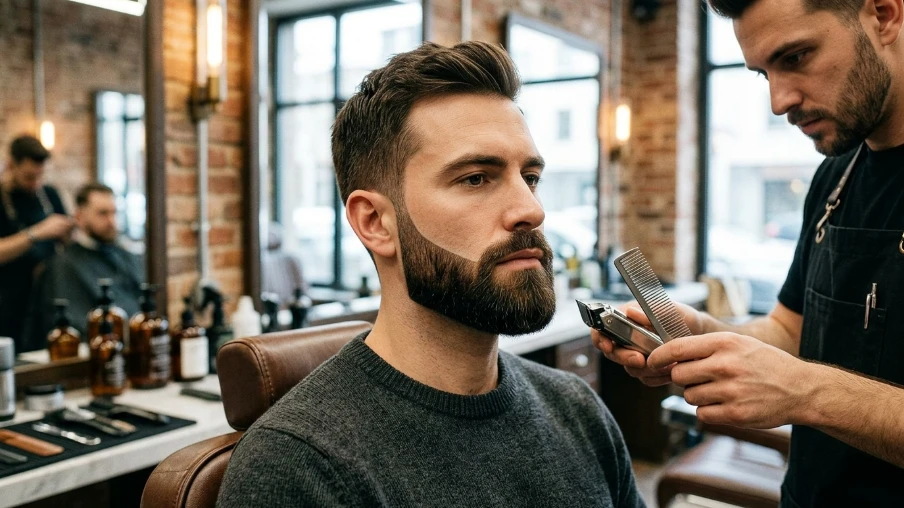
A sculpted beard is one where the shape has been deliberately designed and maintained with precision to create a specific visual effect rather than simply following the natural growth pattern of the facial hair. For weak jawlines, a skilled barber will sculpt the beard to be slightly wider at the jaw and chin than the natural growth would suggest, creating an architectural lower face frame that adds perceived width and definition.
The sculpted approach requires regular barber appointments to maintain the precise shape and is the option that demands the most professional skill to execute correctly. The results, however, are among the most visually impactful of any beard style for jawline definition.
10. The Designer Beard
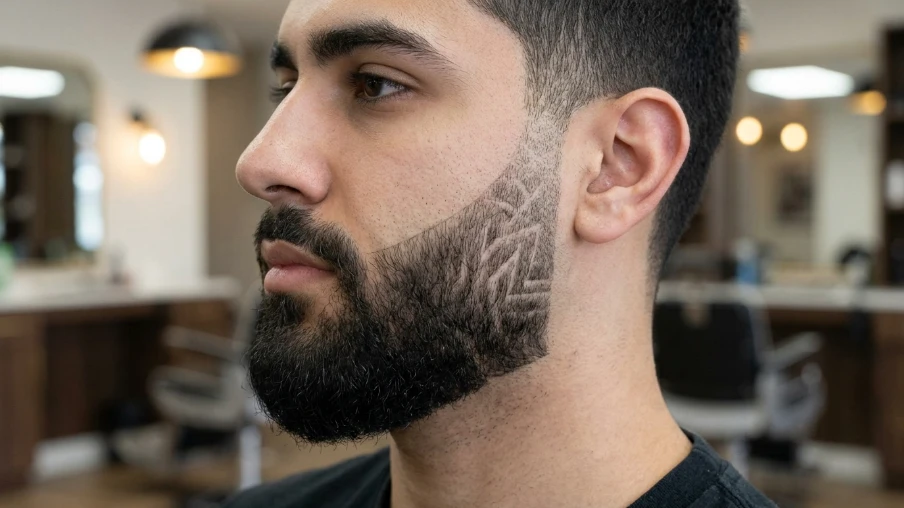
Designer beard styles sit at the more precisely groomed end of the beard spectrum, featuring very specific, intentional shaping that goes beyond the standard cheek line and neckline work. Designer beards may include precise patterns, graphic cheek line shapes, or intentional fading within the beard itself that creates shadow and dimension.
For jawline definition, a designer beard approach involves working with a skilled barber to create a custom shape that specifically compensates for the individual’s jaw structure. The result is a beard style that is uniquely suited to the specific face rather than a generic style applied universally.
11. The Stubble with Sharp Lineup
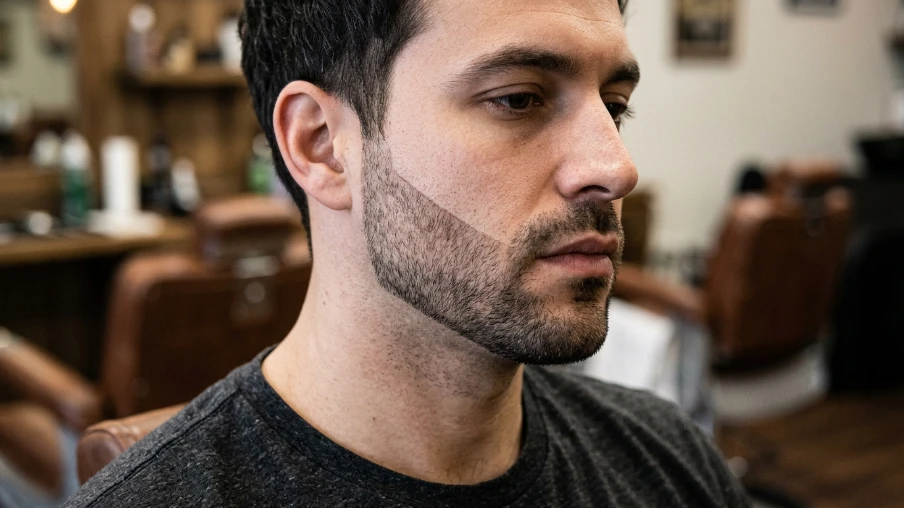
A short stubble beard of two to three millimeters combined with extremely sharp lineup edges at the cheek line and jawline is one of the most understated yet effective beard styles for men with weak jawlines who prefer a minimal look. The lineup creates geometric precision at the borders of the beard that imposes angular structure on the face, while the short stubble length keeps the overall look neat and low-maintenance.
The sharp lineup specifically at the jaw corners, where the beard meets the clean-shaved area below the cheekbone, creates the most critical angular detail for jawline definition. This corner sharpness is what gives the face its apparent angularity and is worth requesting precisely from a barber who specializes in lineup work.
12. The Trimmed Beard for Round Face
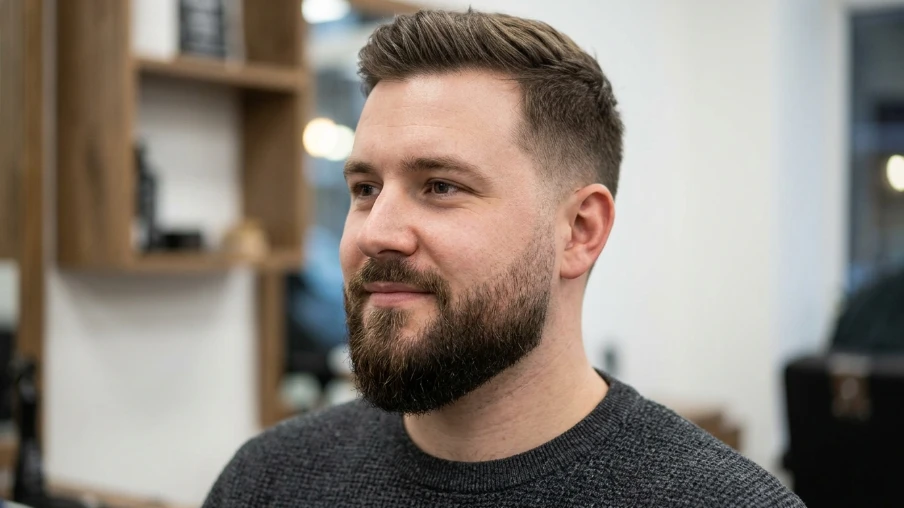
Men with weak jawlines often also have rounder face shapes, and a trimmed beard for round face and weak jawline situations requires addressing both concerns simultaneously. The approach involves keeping the beard shorter at the sides of the face to avoid adding width, while allowing slightly more length at the chin to create vertical elongation that makes the face appear more oval than round.
This specific distribution of beard length creates a subtle but effective reshaping of the overall face silhouette that works in two directions at once: reducing perceived width at the widest part of the face and adding perceived length at the bottom, both of which contribute to a more defined and structured jawline appearance.
13. The Jawline Contour Beard
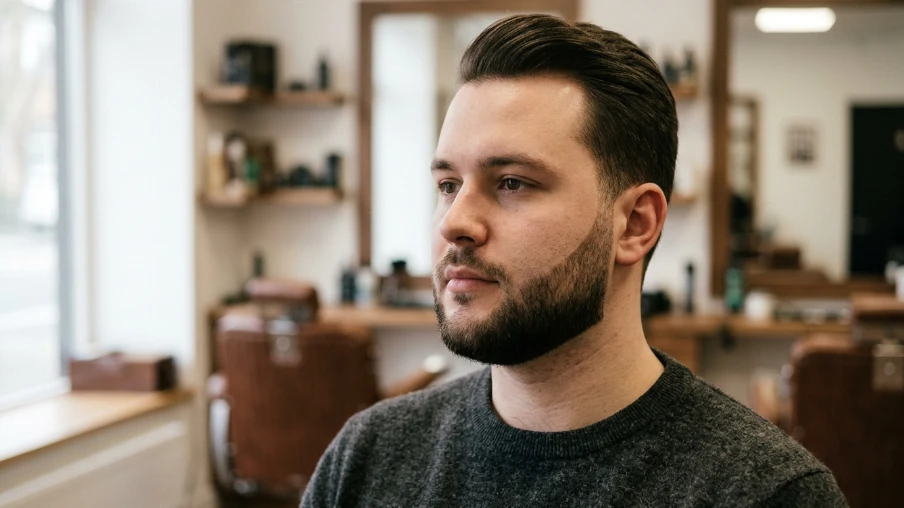
A jawline contour beard is specifically designed around the principle of creating a shadow line along the jaw that mimics the visual effect of a defined bone structure. The beard is kept very short at the cheeks and the upper face but slightly denser and more defined along the specific path of the jaw, creating a shadow band that reads as a jawline edge.
This is one of the more technical beard styles for weak jawlines because it requires a clear understanding of where the natural jaw sits and how the beard density needs to be distributed to create the contouring effect. Working with a skilled barber who understands facial contouring principles produces the most effective version of this style.
14. The Extended Goatee
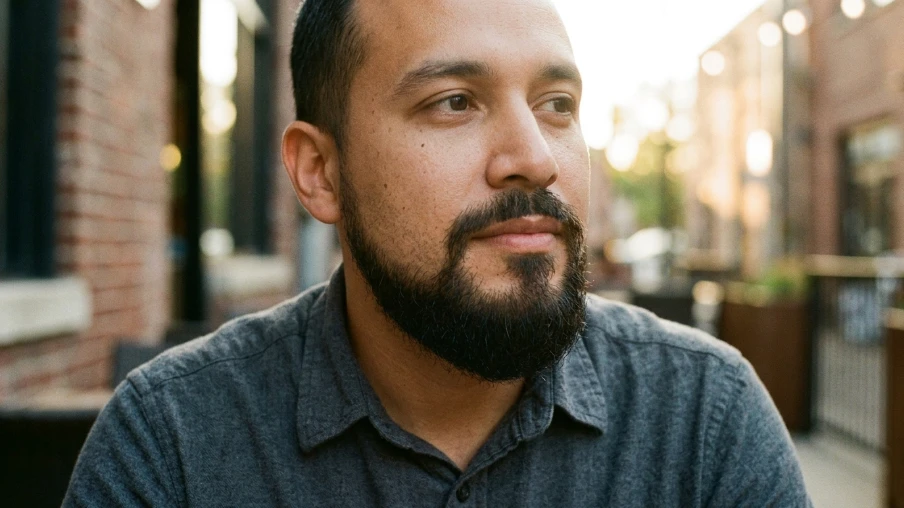
An extended goatee, where the chin beard extends outward slightly beyond the natural chin width and the mustache connects cleanly at the corners of the mouth, creates a broader and more substantial chin presence than a standard goatee. For weak jawlines, this added width at the chin creates a visual anchor at the bottom of the face that reads as jaw definition.
The extended goatee works particularly well for men with receding chins where the chin itself does not project strongly. By extending the beard width at the chin, the style creates the visual impression of a more forward and laterally developed chin structure.
15. The Medium Full Beard
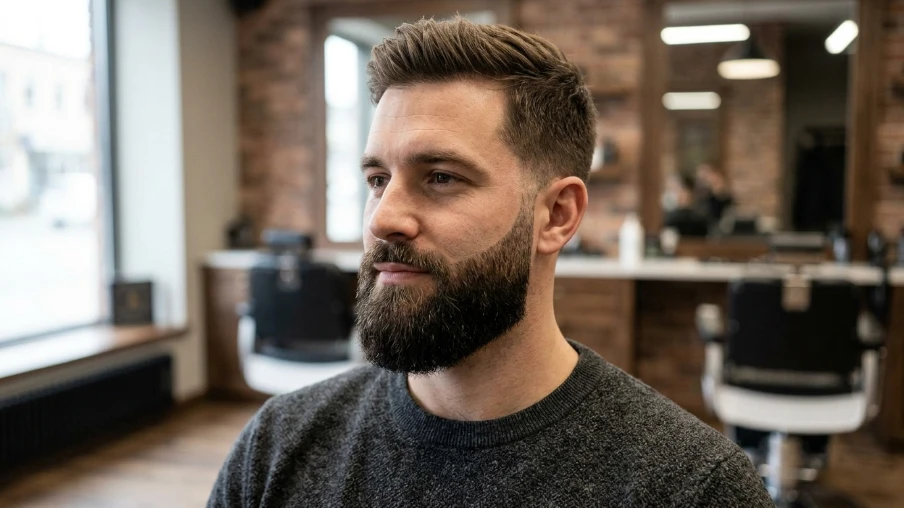
A medium-length full beard, sitting between one and three centimeters in length throughout with consistent density and sharp edges, offers a strong balance between the jawline-defining benefits of a full beard and the manageability of a shorter style. The medium length provides enough visual mass at the jaw to create strong definition while remaining practical for daily grooming and maintenance.
For beard styles for weak jawlines specifically, a medium full beard with a tighter fade at the cheeks and more density concentrated at the chin and jaw edges produces the most flattering and structurally enhancing result. The fade effect at the cheeks prevents the beard from adding width at the widest point of the face while the jaw density creates definition where it is needed.
16. The Defined Neckline Beard

Any beard style becomes significantly more effective for jawline definition when it features a precisely defined neckline. The neckline is the border between the beard and the bare skin of the neck, and its placement and sharpness directly affect how defined the jaw appears from the front and side.
A defined neckline placed at the correct height, two finger-widths above the Adam’s apple following the natural curve of the jaw, creates a clean separation between the jaw and the neck that visually lifts and defines the jawline area. Without this definition, the beard merges with the neck and the jaw appears to disappear into the lower face, which is precisely the opposite of the desired effect.
you may also like this: 17 Beard Styles That Help Conceal a Double Chin Look 2026
17. The Professional Beard Style

Professional beard styles for men with weak jawlines need to balance the grooming expectations of a workplace environment with the jawline-defining benefits of a well-shaped beard. A short to medium boxed beard in the one to two centimeter range with a clean cheek line and precise neckline achieves this balance effectively.
The professional beard reads as deliberately groomed and appropriate for formal settings while still providing the structural benefits of a defined beard shape. It avoids the casual or unkempt quality of longer or less precisely maintained styles while delivering the jawline definition that men with softer jaw structures need from their facial hair.
18. The Modern Barber Beard Trend: Faded and Sculpted
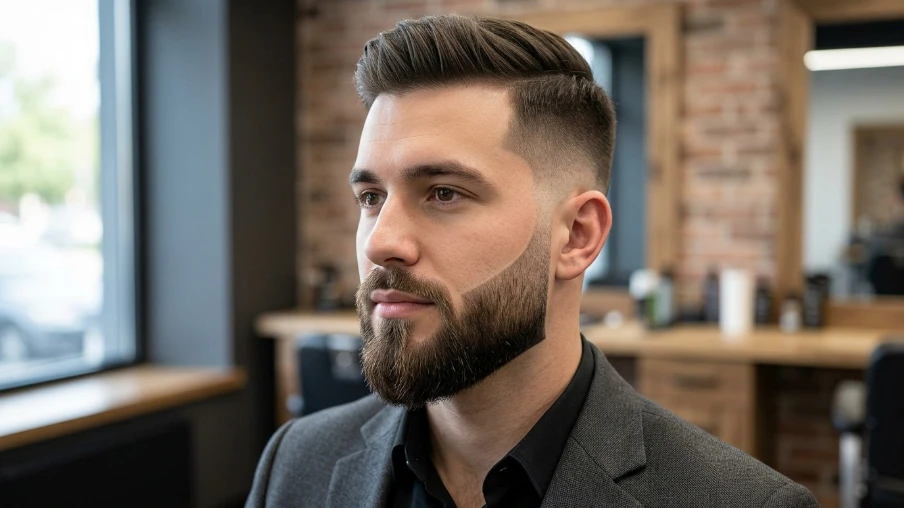
The most current and fashion-forward beard style for weak jawlines in 2026 combines the barber fade technique with deliberate sculpting to create a unified and architecturally impressive grooming result. The fade brings the hair at the sides of the face down to skin level and gradually builds to a fuller, more defined beard at the jaw and chin. The sculpting then shapes the beard edges with geometric precision to create sharp corners and clean lines.
This combination produces a beard that essentially contours the lower face from two directions simultaneously. The fade creates vertical definition by separating the head hair from the beard through a gradient. The sculpted beard edges create angular definition around the jaw itself. Together they create one of the strongest visual jawline enhancement effects available through beard styling alone.
How to Maintain a Jawline-Defining Beard
Getting the right beard style is only the beginning. Maintaining it consistently is what keeps the jawline-defining benefits working through the weeks between barber appointments.
Trim the neckline every three to five days. The neckline grows out faster than any other part of the beard and a grown-out neckline is the single fastest way to lose the jawline definition that the beard style creates. Using a precision trimmer to maintain the neckline at home between appointments takes only a few minutes and preserves the structural quality of the overall style.
Apply beard oil daily. Daily beard oil application keeps the facial hair soft, conditioned, and manageable. It also reduces the skin dryness and itching that can occur beneath a beard, particularly in the early growth stages. A well-conditioned beard also holds its shape better and responds more predictably to trimming.
Use a beard shaping tool for home maintenance. A beard shaping template, a curved plastic tool used as a guide for razor or trimmer edge work, helps maintain consistent cheek lines and jaw corners at home. It reduces the margin for error in home maintenance and keeps the sharp edges that are critical for jawline definition looking barber-fresh between appointments.
Book barber appointments every two to three weeks. The precise shapes that create jawline definition for weak jawlines require professional skill to maintain correctly. Attempting to do all maintenance at home without periodic professional reshaping leads to gradual drift from the intended shape that reduces the jawline-defining effectiveness of the style over time.
Condition the cheek lines. Keeping the skin at the cheek line and neckline well-moisturized prevents razor burn and ingrown hairs that can disrupt the clean edge quality essential for jawline definition. Apply a light moisturizer or aftershave balm to the shaved areas after every edge maintenance session.
Common Mistakes to Avoid
Letting the neckline grow too low. A neckline that drops below the natural jaw curve adds bulk to the neck area rather than definition to the jaw. This is the single most common mistake that undermines the jawline-defining benefit of otherwise well-chosen beard styles for weak jawlines.
Choosing a very wide or bushy cheek beard. Adding significant width at the cheeks through a high cheek line or heavy density in the cheek area makes the face appear wider and the jaw softer. For weak jawlines, keeping the cheek area relatively tight and concentrating density at the jaw and chin produces the most flattering result.
Growing the beard without a specific shape in mind. Simply allowing facial hair to grow without a defined shape or intended style produces random density distribution that is unlikely to create the angular definition needed for jawline enhancement. Every beard grown with the intention of defining a weak jawline should have a specific shape target from the beginning.
Ignoring the side profile. Most beard maintenance is done facing a mirror directly, but the profile view is equally important for jawline definition. A beard that looks defined from the front but has a soft, undefined profile does not create the full three-dimensional structural effect that a weak jawline needs. Checking both the front and side views during maintenance ensures consistent definition from every angle.
Using too much beard product. Heavy balms or waxes applied in excess can make the beard appear flat and dense in a way that obscures the sharp edges rather than highlighting them. Use a light application of quality product and work it through the beard thoroughly rather than applying heavily to the surface.
Conclusion
Beard styles for weak jawlines work because they use visual principles of weight, line, and shadow to create the appearance of bone structure that nature may not have provided. The right beard does not just grow on the face. It frames it, defines it, and reshapes how the entire lower face reads to anyone looking at it.
The 18 styles in this guide cover the full range of approaches, from the most minimal heavy stubble with sharp edges to the more involved faded and sculpted combinations that produce the most dramatic structural transformation. What they share is a grounding in the specific visual needs of a weak jawline: defined edges, strategic density, a precise neckline, and a shape that creates angles where the natural structure lacks them.
Choose a style that suits your face shape and maintenance preferences, work with a barber who understands facial contouring principles, and maintain the edges consistently at home between appointments. Done correctly, the right beard style is one of the most impactful single grooming decisions a man with a weak jawline can make.
Frequently Asked Questions
What beard style is best for a very weak jawline?
The short boxed beard and the faded and sculpted combination are the two strongest options for very weak jawlines because both styles create maximum angular definition through precise edge work and strategic density distribution. The beard fade particularly concentrates visual weight at the jaw and chin while keeping the cheek area cleaner, which produces the strongest jawline enhancement effect.
Does a beard actually make a weak jawline look stronger?
Yes, significantly when the right style is chosen and properly maintained. The combination of defined beard edges, correct neckline placement, and strategic density distribution creates visual angular lines and shadows that read as jawline definition regardless of the underlying bone structure. Many men report that a well-shaped beard is more effective for jawline appearance than any other single grooming decision.
What length beard is best for jawline definition?
Short to medium lengths, between three millimeters and two to three centimeters, tend to produce the most effective jawline definition because the precise edges that create angular lines are easier to maintain and more visually apparent at shorter lengths. Very long beards can obscure the jaw area entirely, which works against definition rather than for it.
How often should I visit the barber for a jawline-defining beard?
Every two to three weeks is the recommended frequency for maintaining a beard style specifically intended to define a weak jawline. The precise edges and shapes that create the defining effect require regular professional reshaping to stay effective. Home maintenance of the neckline and edges between appointments helps extend the fresh appearance between visits.
Can I achieve jawline definition with a beard at home without visiting a barber? Basic styles like heavy stubble with defined edges and simple goatee shapes can be maintained effectively at home with a good precision trimmer and a beard shaping template. More complex styles like the beard fade, the sculpted beard, and the faded and sculpted combination require professional barber skill to execute correctly and are best maintained with regular salon visits.
1 Comment