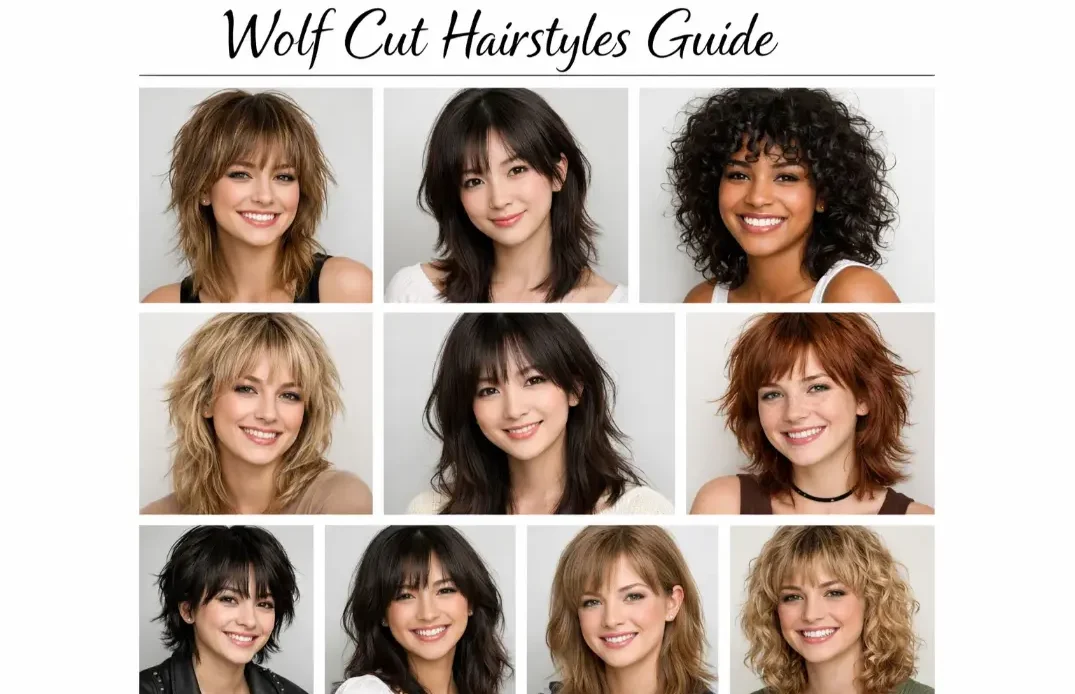
The wolf cut continues to dominate hairstyle trends in 2026, offering a fresh take on edgy, textured hair that works for nearly everyone. This versatile haircut combines the best elements of shag and mullet styles, creating a bold yet wearable look that has captured attention across social media platforms and salons worldwide. Whether you have straight, wavy, or curly hair, the wolf cut delivers volume, movement, and an effortlessly cool aesthetic that requires minimal daily styling.
What Makes the Wolf Cut Different
The wolf cut stands apart from other layered hairstyles through its distinctive structure. Short, choppy layers at the crown create volume and lift, while longer layers flow toward the nape and around the face. This creates a wild, untamed appearance reminiscent of a wolf’s mane. The cut typically features face framing pieces and can include various bang styles, from wispy curtain bangs to side swept options.
Unlike traditional shag cuts that maintain softness throughout, the wolf cut embraces a more dramatic contrast between lengths. The mullet influence appears in the longer back sections, but modern wolf cuts blend these elements more seamlessly than retro mullets. This fusion results in a contemporary style that feels both rebellious and refined.
1 Classic Wolf Cut
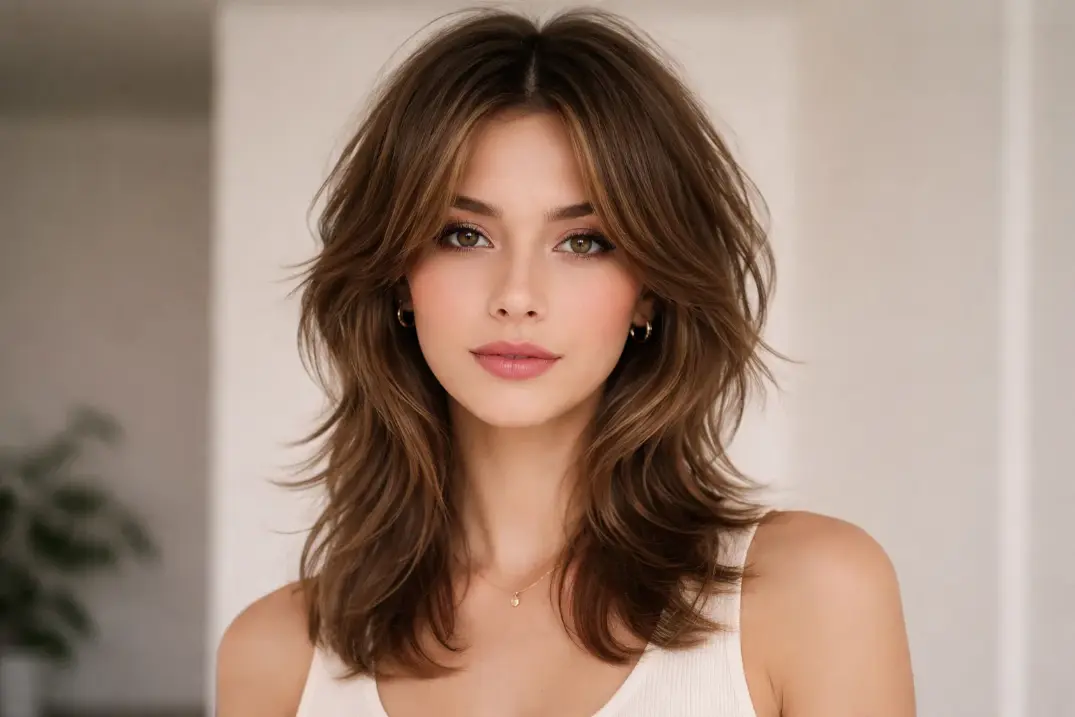
The foundational wolf cut features heavy layering throughout, with maximum volume concentrated at the crown. Choppy texture runs from top to bottom, creating that signature wild aesthetic. This version works beautifully on medium to long hair and serves as the blueprint for all modern variations.
2 Soft Wolf Cut
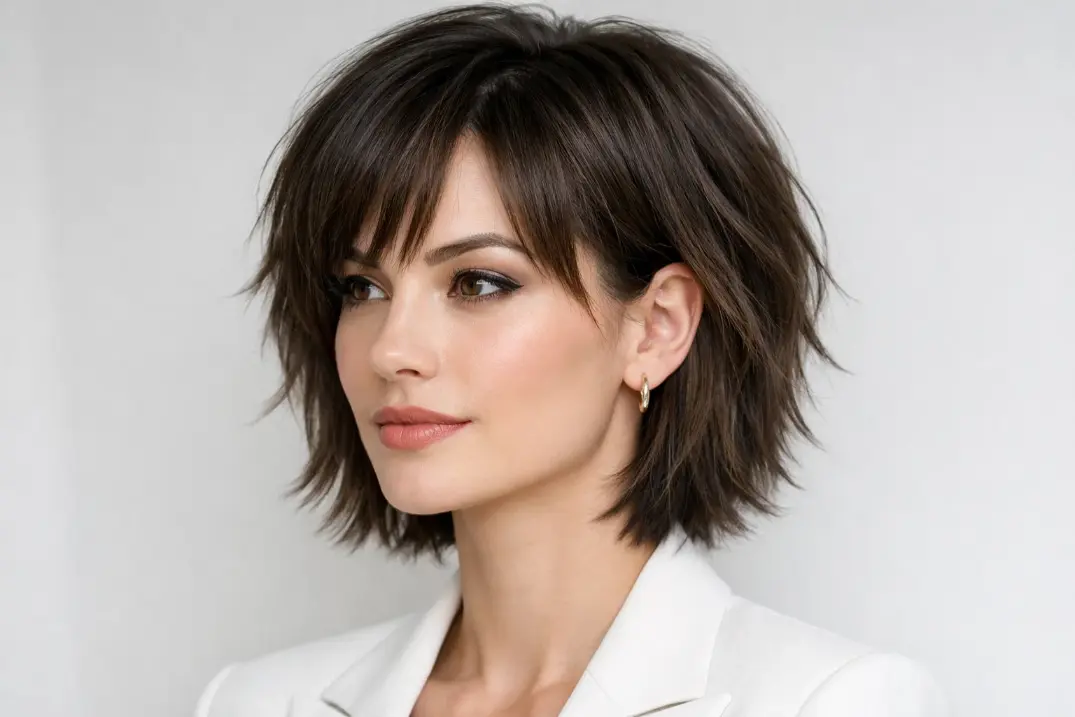
For those seeking a gentler approach, the soft wolf cut softens the edges while maintaining movement and dimension. The layers transition more gradually, the fringe feels lighter, and the nape appears less pronounced. This 2026 trending variation offers modularity, allowing you to wear it smooth, wavy, or curly depending on your mood.
3 Short Wolf Cut
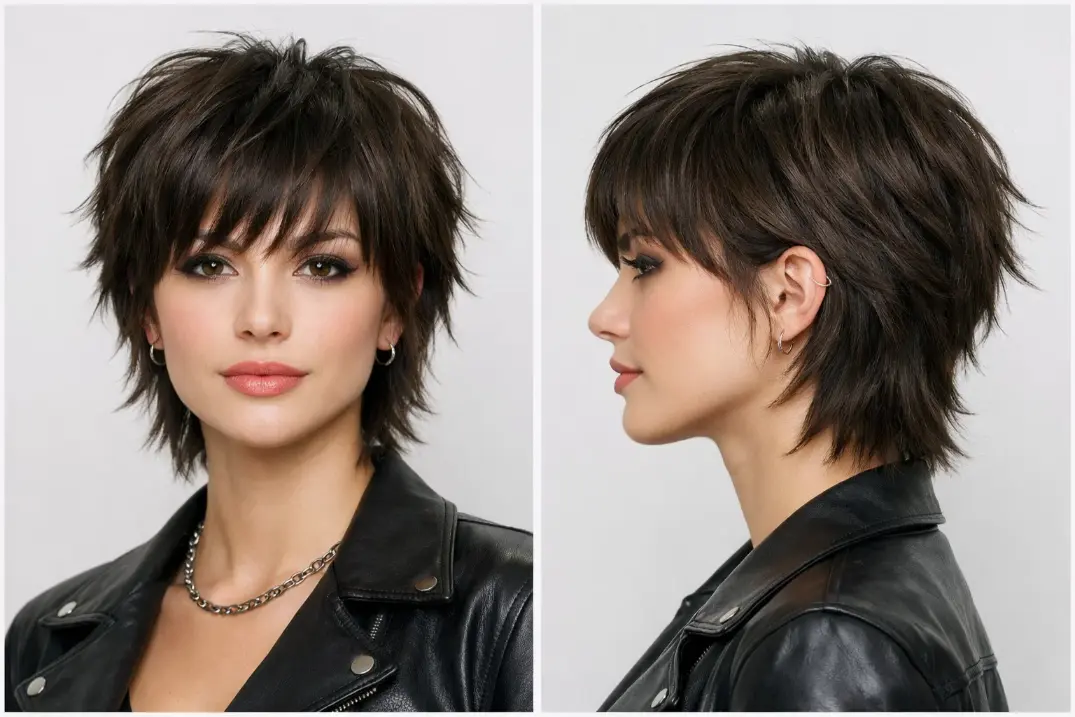
Men and women choosing shorter lengths can still achieve the wolf cut aesthetic. This version keeps layers textured on top while the back extends only slightly past the nape. The result offers easy maintenance with plenty of style, making it perfect for those who want the trend without committing to longer hair.
you may also like this: 15 Stunning Kitty-Cut Hairstyle Ideas for Girls 2026
4 Long Wolf Cut
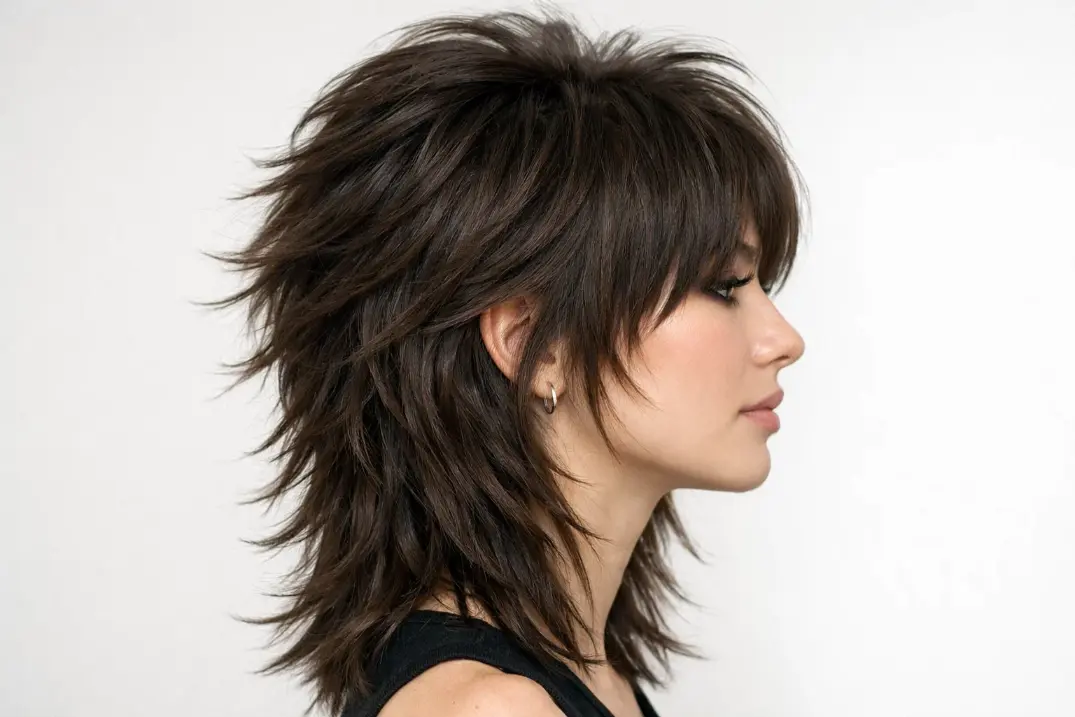
Extended length creates dramatic flow and emphasizes the contrast between crown volume and flowing ends. Long wolf cuts work exceptionally well on thick hair, as the layers prevent the style from looking heavy or flat. Feathered ends keep the length looking light and intentional rather than stringy.
5 Wolf Cut with Curtain Bangs
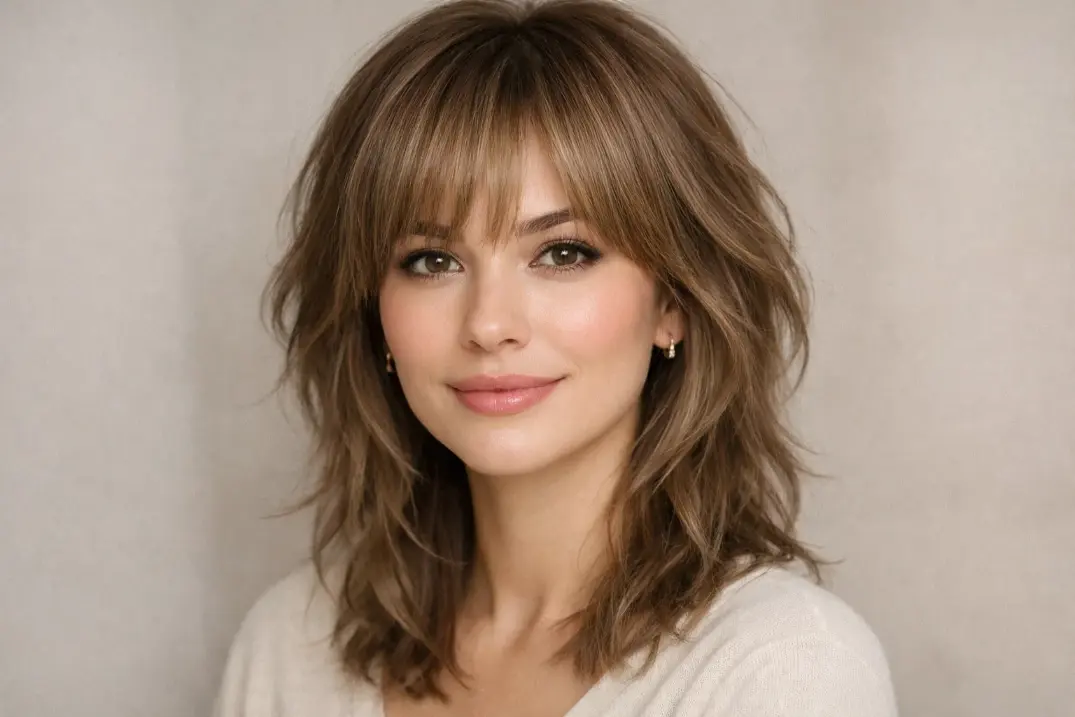
Curtain bangs pair perfectly with wolf cut layers, creating soft face framing that flatters most face shapes. The bangs part naturally in the middle and blend seamlessly into the choppy layers. This combination balances angular features and works particularly well on square and rectangular face shapes.
6 Messy Wolf Cut
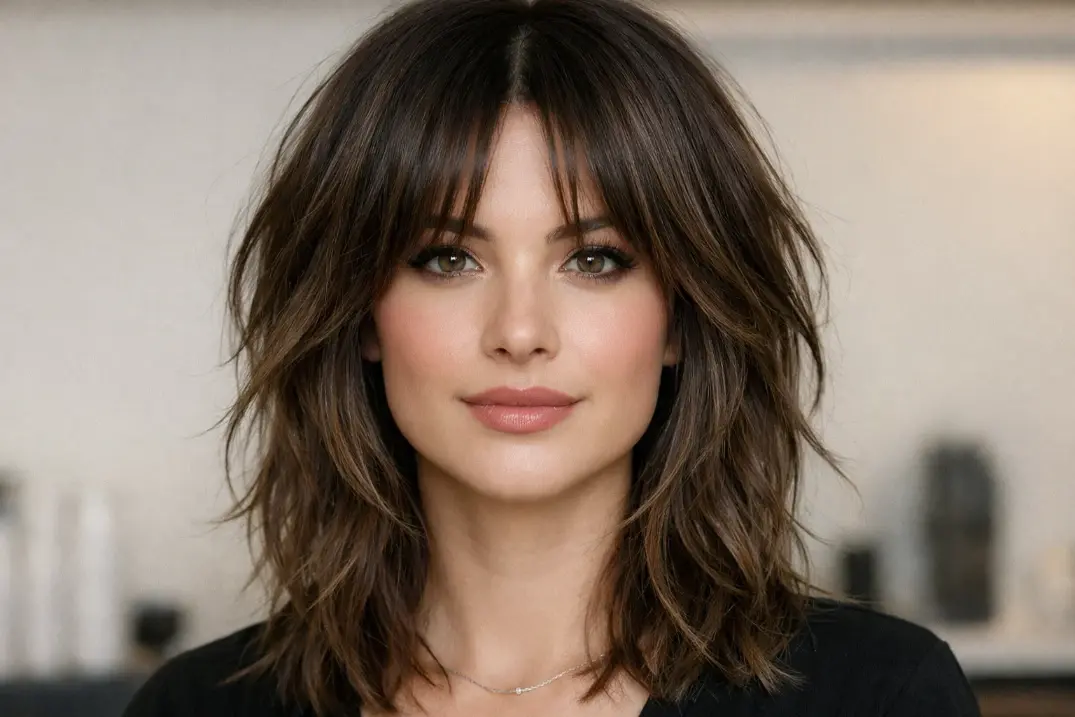
Intentional messiness defines this low maintenance variation. The layers naturally separate into pieces, creating a lived in look that appears effortless. The key lies in keeping the outline clean around the ears and neckline while allowing texture to shine through the mid lengths and top.
7 Wolf Cut for Straight Hair
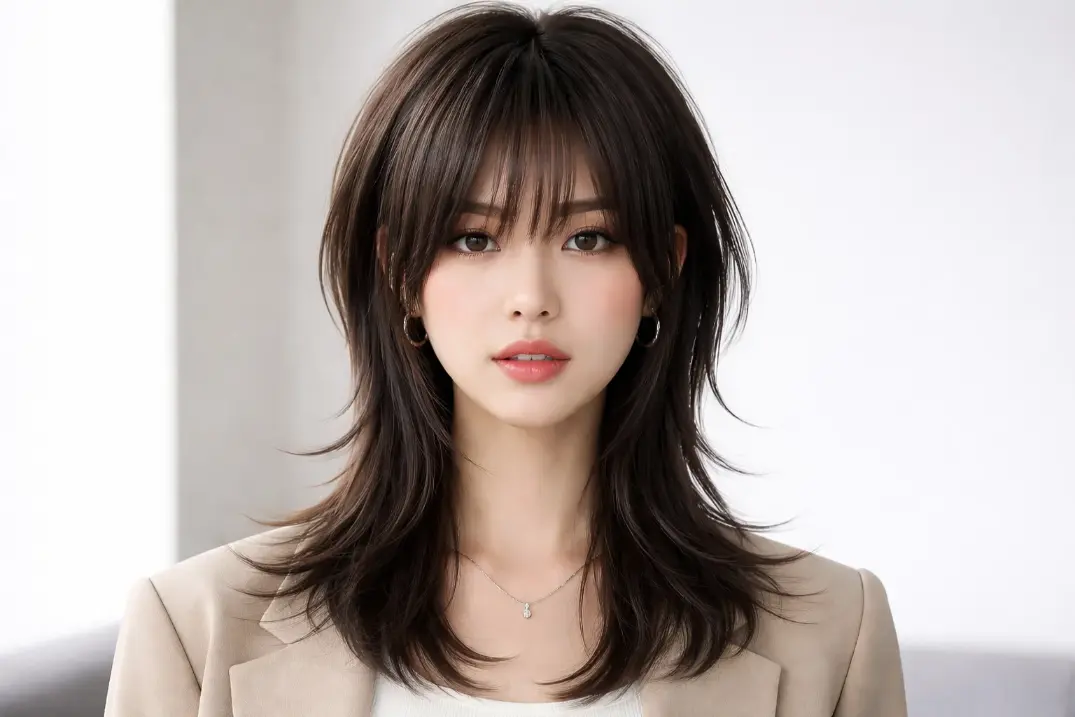
Straight hair requires extra attention to texture when cut in a wolf style. Point cutting through the crown and fringe helps hair break into pieces rather than falling flat. Feathered ends prevent the blunt appearance that straight hair can create. Internal bulk removal keeps the sides from looking mushroom shaped.
8 Wolf Cut for Wavy Hair
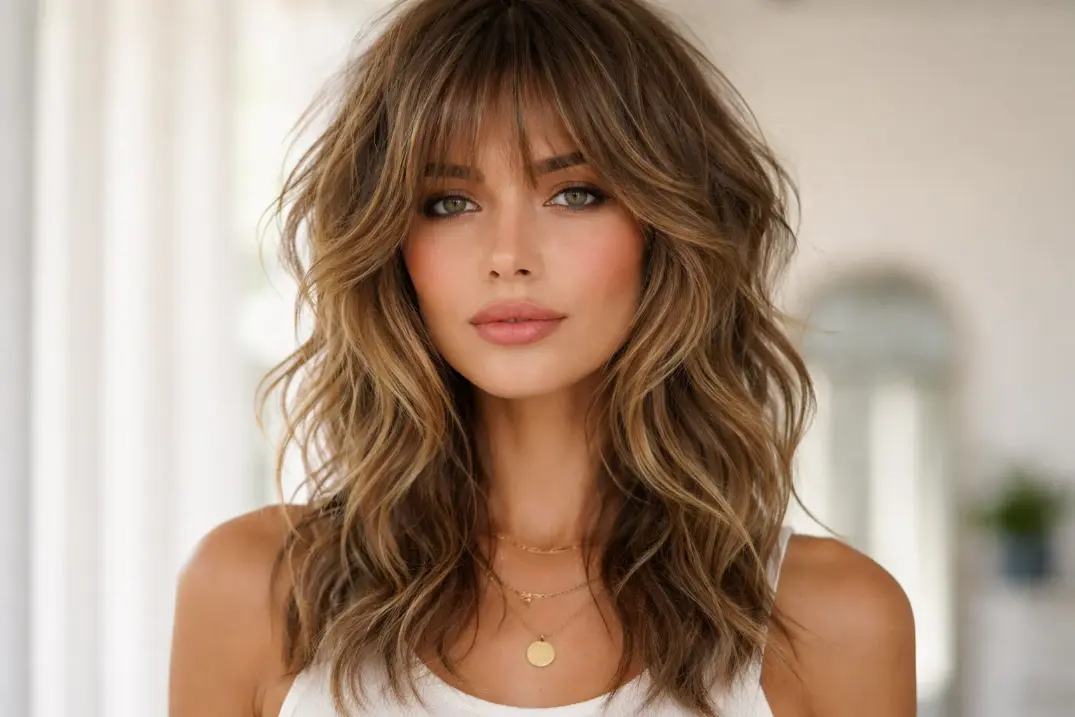
Natural waves enhance the wolf cut’s textured appearance beautifully. The layers should follow the wave pattern rather than cutting randomly across it. Removing weight from the interior keeps the sides slim without requiring tight shaving. Waves provide the movement and dimension the style is known for.
9 Wolf Cut for Curly Hair
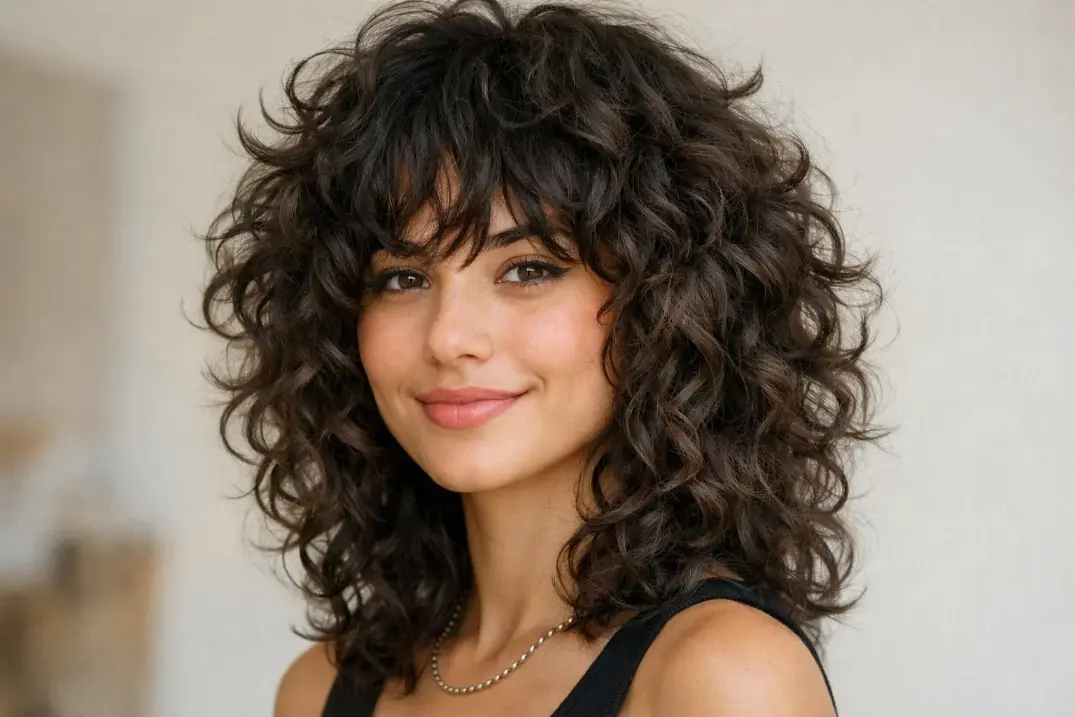
Curly textures create natural volume that makes wolf cuts particularly striking. Defined layers redistribute weight, preventing the top from looking too heavy while maintaining fullness. The layered structure encourages curl formation and emphasizes natural patterns. This version requires minimal styling effort, as curls provide built in texture.
10 Korean Wolf Cut
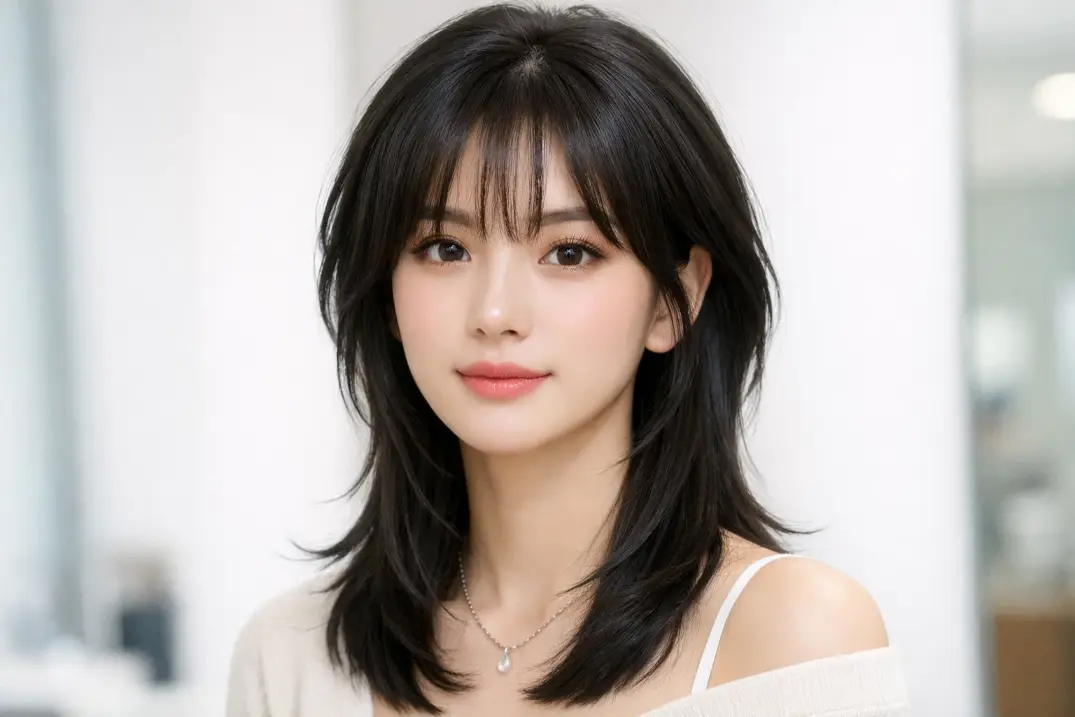
Korean influenced wolf cuts typically appear cleaner and more polished in the front sections. Soft layers create controlled crown lift with a tidy outline. Light, airy fringe and smooth face framing pieces characterize this style. The look draws inspiration from K pop trends while remaining wearable for everyday life.
11 Wolf Mullet Hybrid
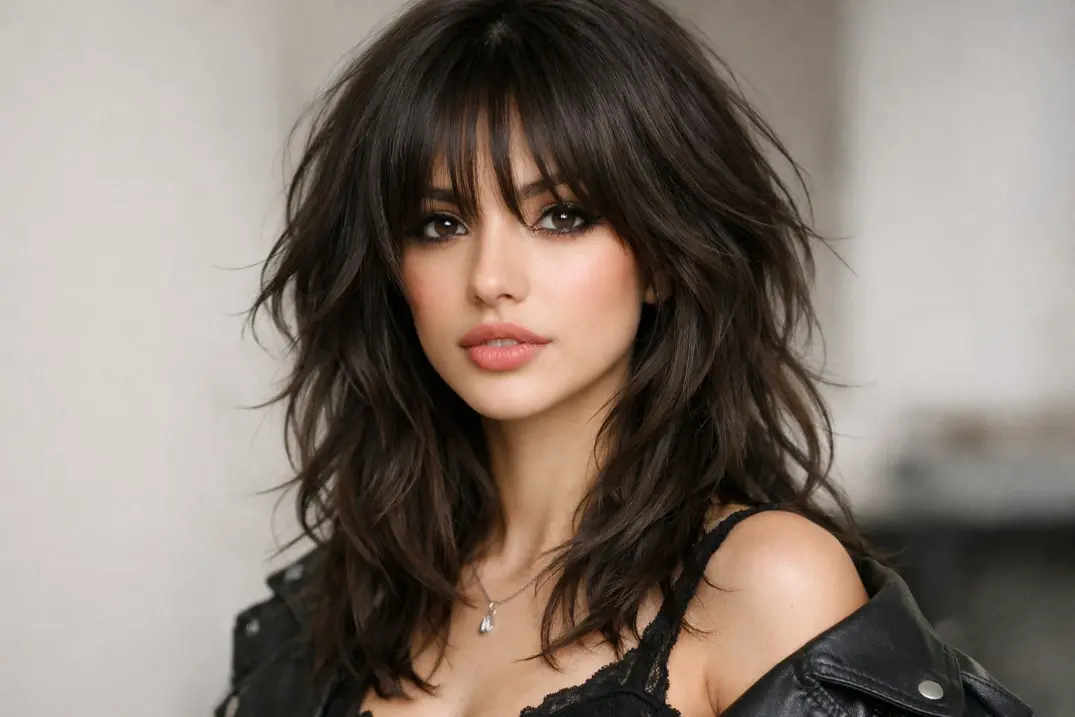
This bold variation leans heavily into mullet heritage with very short top layers contrasting against distinctly longer back length. The dramatic difference creates maximum impact while maintaining the choppy texture of traditional wolf cuts. Face framing layers soften the overall look.
12 Shaggy Wolf Cut
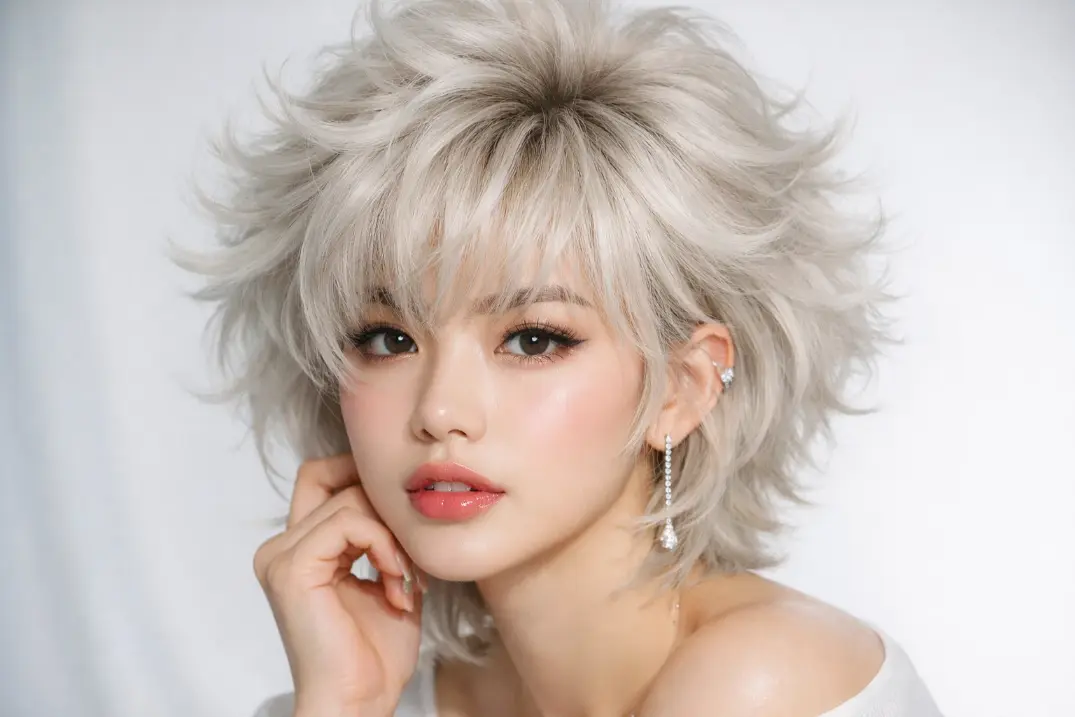
Taking more influence from shag cuts, this version features thick, choppy layers throughout with less emphasis on the mullet aspect. The result feels softer and more feminine while maintaining edge. Heavy curtain bangs often accompany this style, creating a face framing effect.
13 Fluffy Wolf Cut
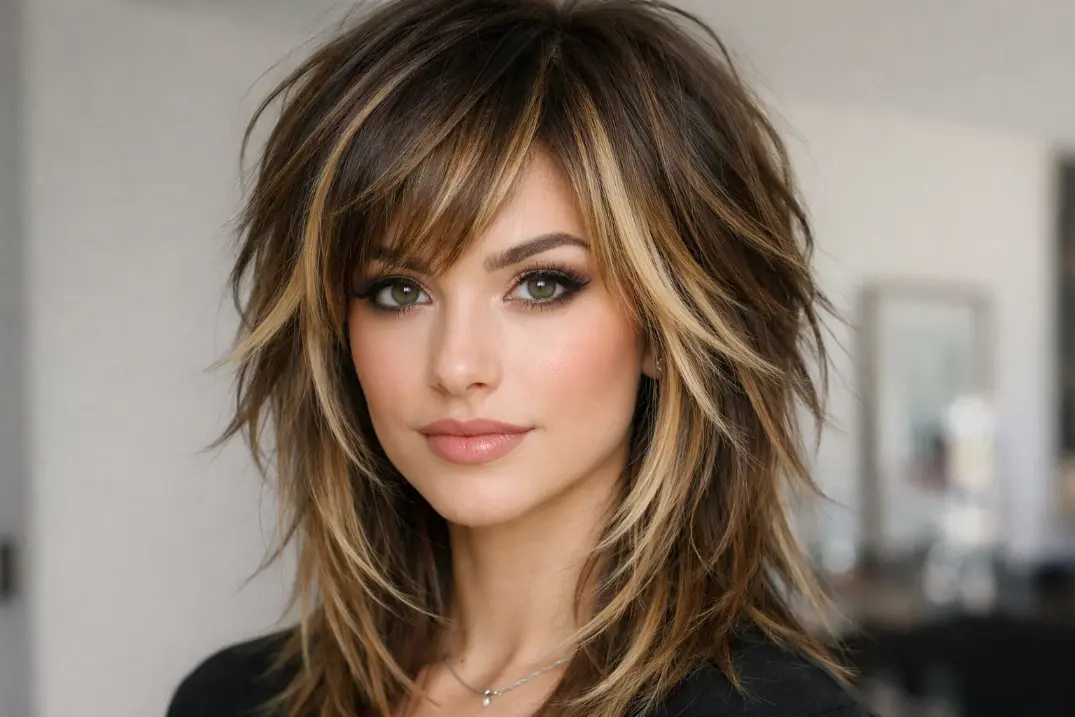
Volume seekers find their match in the fluffy wolf cut, which emphasizes cloud like texture at the crown. Short layers at the top create lift and airy movement. Root lifting spray and round brush blow drying maximize the bouncy effect. This variation draws heavy inspiration from K pop styling.
14 Wolf Cut with Middle Part
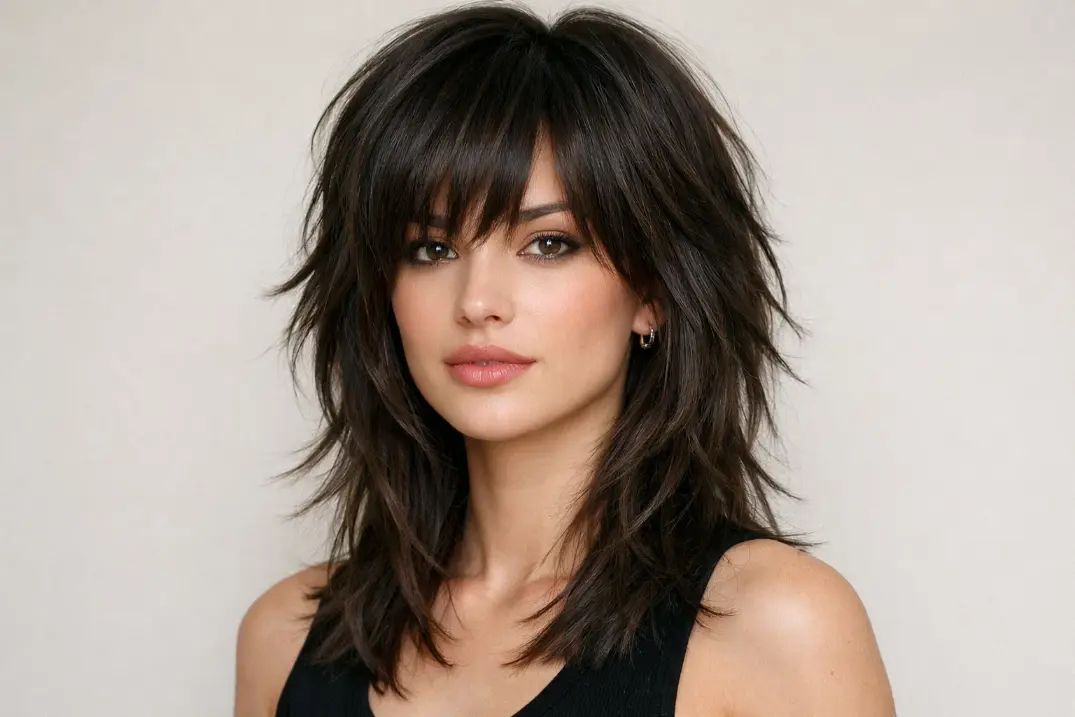
A soft middle part creates clean curtain framing at the front while maintaining messy volume at the back. The part should appear natural rather than severely drawn. Layers beginning near the cheekbones ensure the style frames the face evenly without losing crown lift.
15 Edgy Wolf Cut
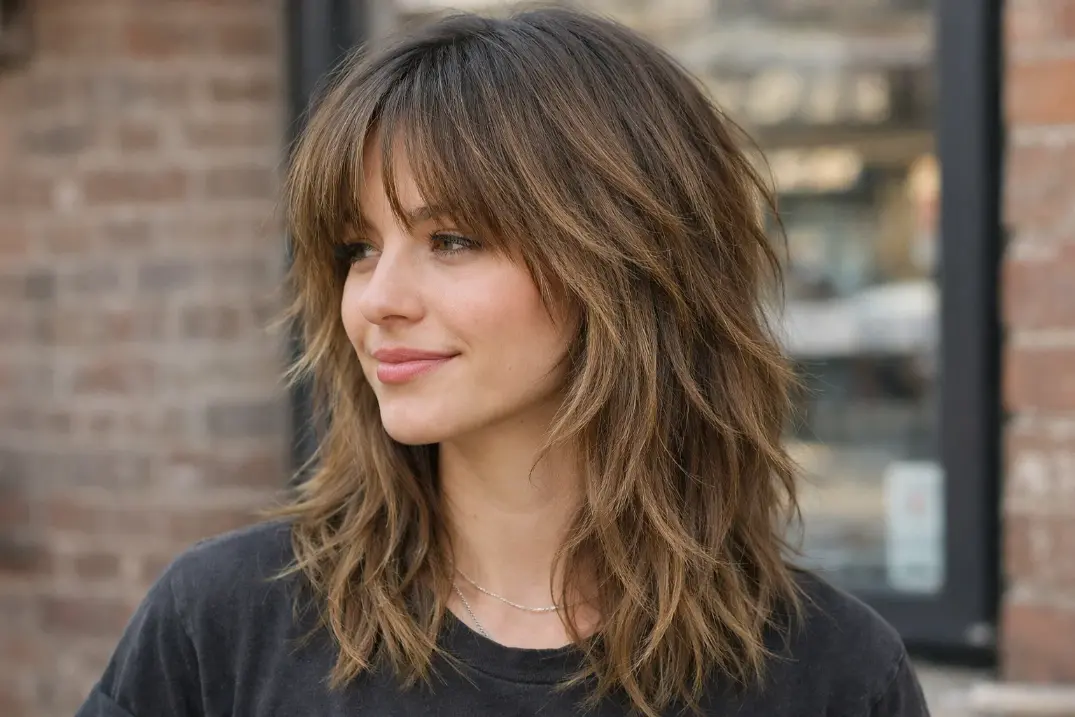
Extreme layering and heavy texturizing create an edgier interpretation perfect for those wanting maximum attitude. This version often features more separation at the crown and aggressive feathering at the ends. The styling emphasizes the wild, untamed quality of the cut.
16 Wolf Bob
Combining bob structure with wolf cut layers produces a surprisingly wearable style. The length stays around jawline level, but added texture and volume create interest. This variation bridges the gap between classic and contemporary, working well for both professional and casual settings.
17 Layered Wolf Cut with Highlights
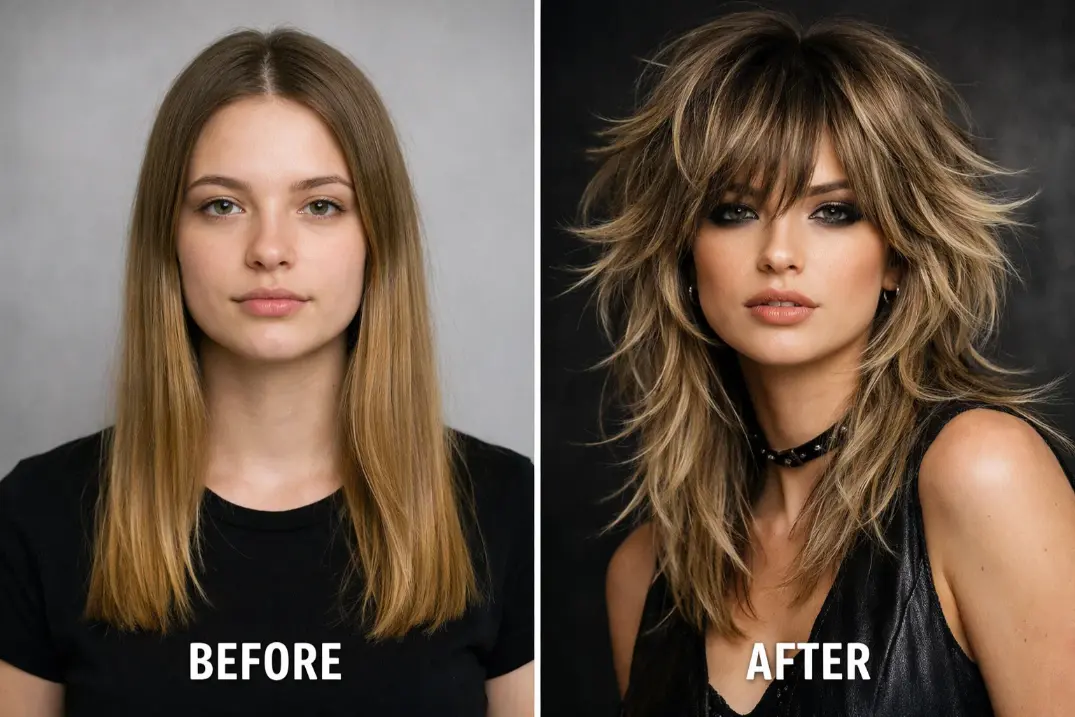
Strategic highlights reinforce the dimensional quality of wolf cut layers. Face framing highlights brighten cheekbones and draw attention to the layered structure. Subtle balayage or discrete sweeps work better than harsh contrasts, as they guide the eye without creating visible stripes.
18 Wolf Cut for Thick Hair
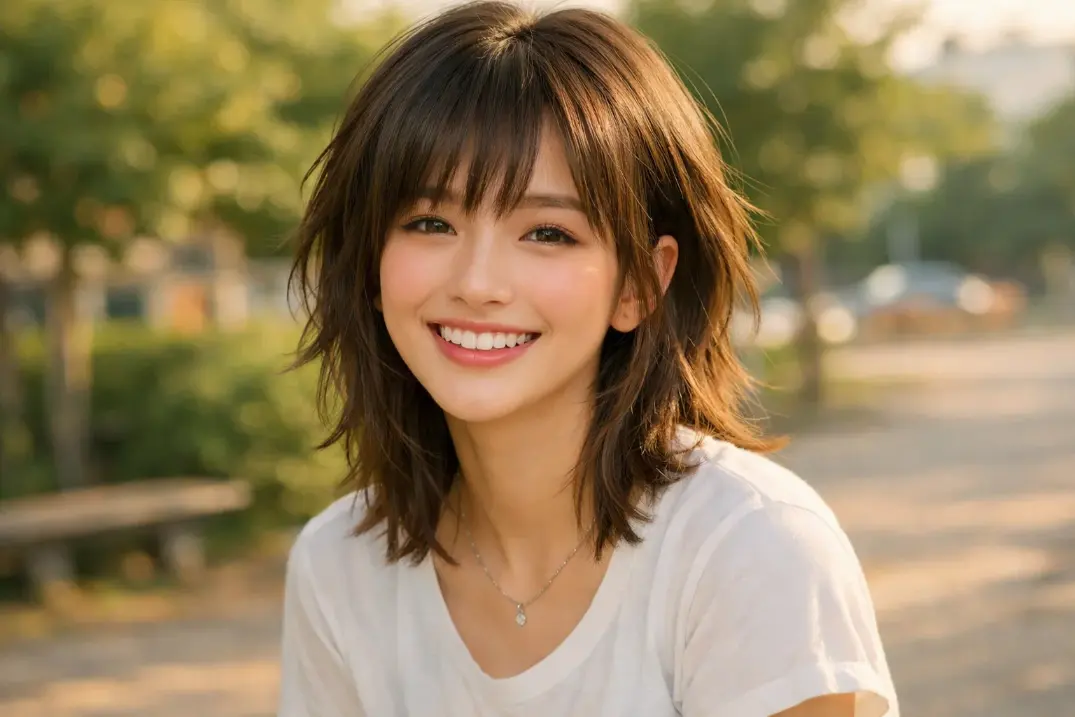
Thick hair benefits tremendously from wolf cut layering. Internal weight removal prevents the sides from puffing out while maintaining volume where desired. The multiple layers create movement that thick hair often lacks in blunt cuts. Proper debulking ensures the style looks intentional rather than bulky.
19 Wolf Cut for Fine Hair
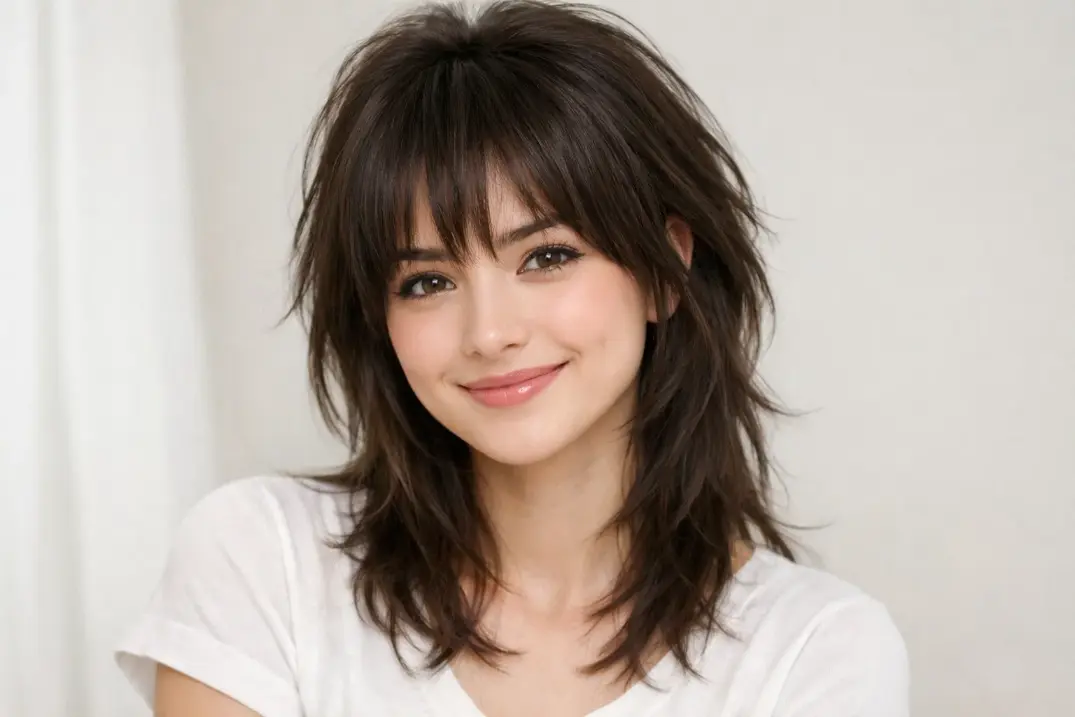
Fine hair requires careful consideration when cutting a wolf style. Excessive layering can make thin hair appear wispy and weak. A modified approach with controlled layers and strategic volume placement works better. Texturizing products become essential for creating the appearance of fullness.
20 Grown Out Wolf Cut

The wolf cut grows out gracefully when properly maintained. As layers extend, the style transitions naturally without awkward stages. Regular bang trims between full cuts keep the look fresh. Many people find the grown out phase just as appealing as the freshly cut version.
Styling Your Wolf Cut
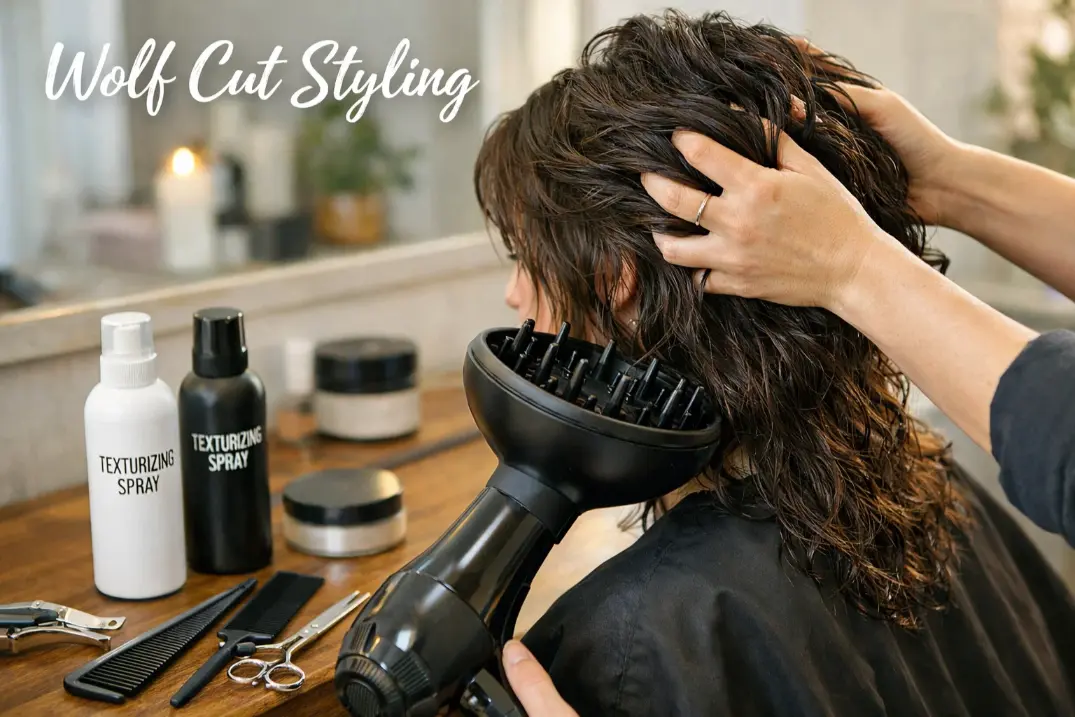
Achieving the perfect wolf cut look at home requires minimal tools and products. Start by washing hair and allowing it to air dry until about 80 percent dry. Use a diffuser attachment while angling your head down, scrunching sections upward to create volume. For straight hair, add texturizing spray or sea salt spray to create body and movement. Wavy and curly hair types benefit from curl cream or defining products that enhance natural texture.
The beauty of this style lies in its low maintenance nature. Many wolf cut wearers simply finger style their hair, allowing the cut’s structure to do the work. For special occasions, smooth waves created with a large barrel curling iron add polish, or straightening emphasizes the architectural quality of the layers.
Maintaining the Wolf Cut
Regular trims every six to eight weeks preserve the layered shape and prevent the style from looking overgrown. Daily brushing with a round brush prevents tangles while adding volume. Those with thick or coarse hair should apply leave in conditioner to keep strands healthy and protect against heat styling damage. Fine hair types can skip heavy conditioners that might weigh down the style.
The wolf cut represents more than just a hairstyle trend. It embodies a shift toward individuality and natural texture in beauty standards. The style’s popularity stems from its ability to work with various hair types while requiring less daily maintenance than many structured cuts. Whether you choose a soft, feminine version or embrace maximum edge, the wolf cut offers endless possibilities for personal expression through hair.
FAQs
How often should I trim my wolf cut?
Short wolf cuts need trimming every six to eight weeks, while longer versions can go eight to ten weeks between appointments. Regular bang maintenance, usually just 15 minutes every few weeks, keeps the style looking fresh without requiring a full cut.
Can I get a wolf cut with thin hair?
Yes, but the approach needs modification. Excessive layering makes thin hair appear wispy, so request controlled layers with strategic volume placement. Your stylist should avoid aggressive thinning on fine hair as it weakens the ends.
Does the wolf cut work for all face shapes?
The wolf cut suits most face shapes when customized properly. Square and heart shaped faces benefit from the soft fringe and crown volume that balance strong jawlines. Round faces look great with longer layers that create vertical lines, while elongated faces need more substance at the temples.
What products work best for styling a wolf cut?
Texturizing spray or sea salt spray creates body for straight hair. Curl cream enhances natural waves and curls. Volumizing mousse adds lift at the roots. Heat protectant spray is essential before blow drying. Light hold products maintain the tousled look without stiffness.
Is the wolf cut high maintenance?
No, the wolf cut ranks among the most low maintenance trendy styles. The layered structure creates natural volume and movement, often requiring just finger styling. Many people find it easier to manage than blunt cuts, as the layers embrace natural texture rather than fighting against it.