
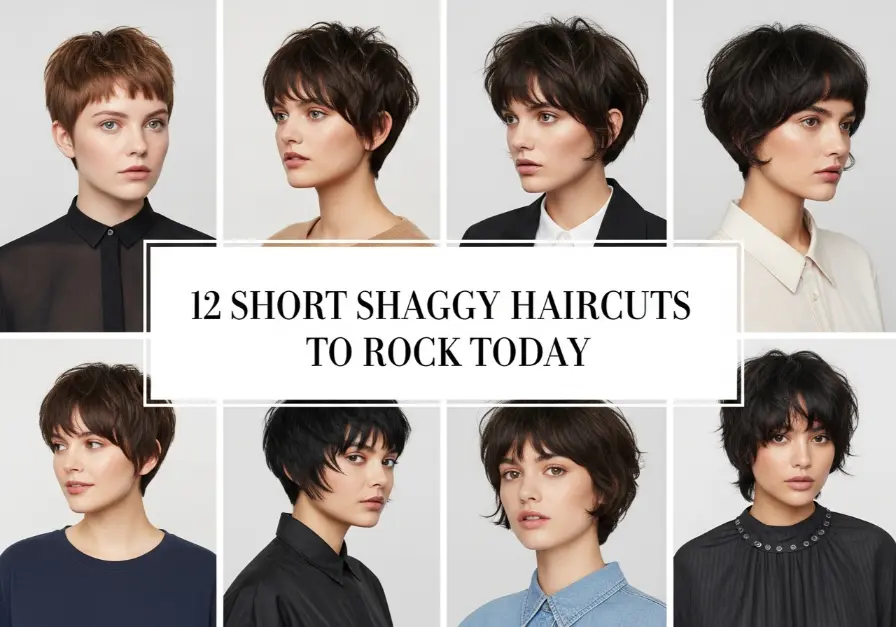
The shaggy haircut has experienced a remarkable resurgence, transforming from a retro staple into one of the most sought-after styles in contemporary hairdressing. This effortlessly cool cut combines deliberately uneven layers with strategic texture to create movement, volume, and an air of carefree sophistication. Whether you have fine strands that need dimension or thick locks requiring taming, short shaggy haircuts offer versatile solutions that flatter various face shapes while reducing daily styling time. The beauty lies in the controlled chaos, where each layer works harmoniously to frame your features while maintaining an edgy, lived-in aesthetic that feels both modern and timeless.
Understanding the Shaggy Haircut Appeal
The enduring popularity of shaggy cuts stems from their remarkable adaptability. Unlike precise geometric styles that demand regular maintenance, these cuts embrace natural texture and allow hair to fall organically. The strategic layering technique removes weight without sacrificing fullness, creating dimension that works with your hair’s natural movement rather than against it. This approach proves particularly beneficial for those seeking low-maintenance options that still deliver high-impact results. The intentional dishevelment requires minimal product and styling effort, making mornings significantly easier while ensuring you look purposefully styled rather than accidentally messy.
The Classic Choppy Bob Shag
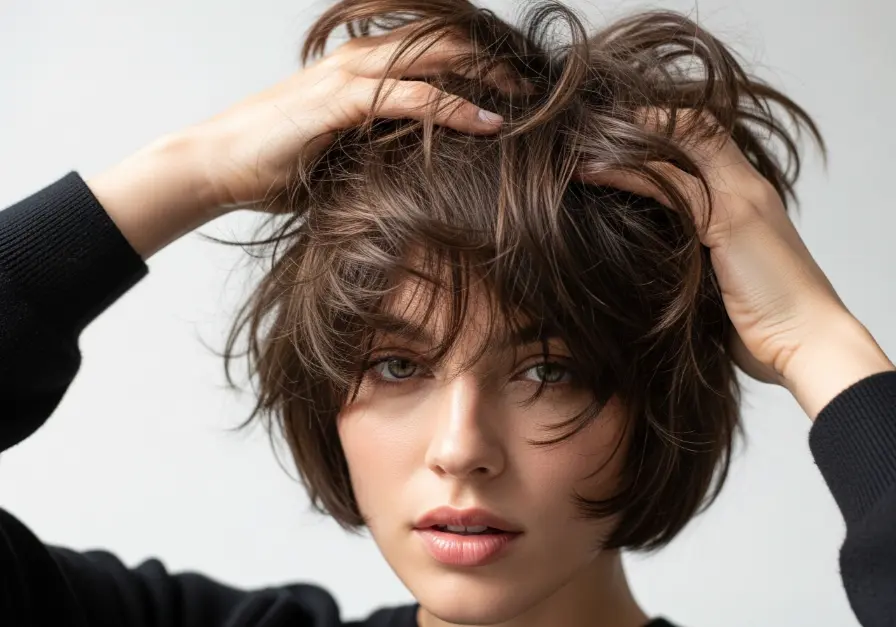
This timeless variation sits between chin and shoulder length, featuring heavily textured ends and face-framing layers that begin around cheekbone level. The choppy bob shag works exceptionally well for those with oval or heart-shaped faces, as the volume around the crown balances facial proportions beautifully. Styling involves applying a small amount of texturizing cream to damp hair, rough-drying with fingers to enhance natural movement, then using a flat iron to create subtle bends in random sections. The result is an undone sophistication that transitions seamlessly from professional settings to casual weekends.
The Pixie Shag Revolution
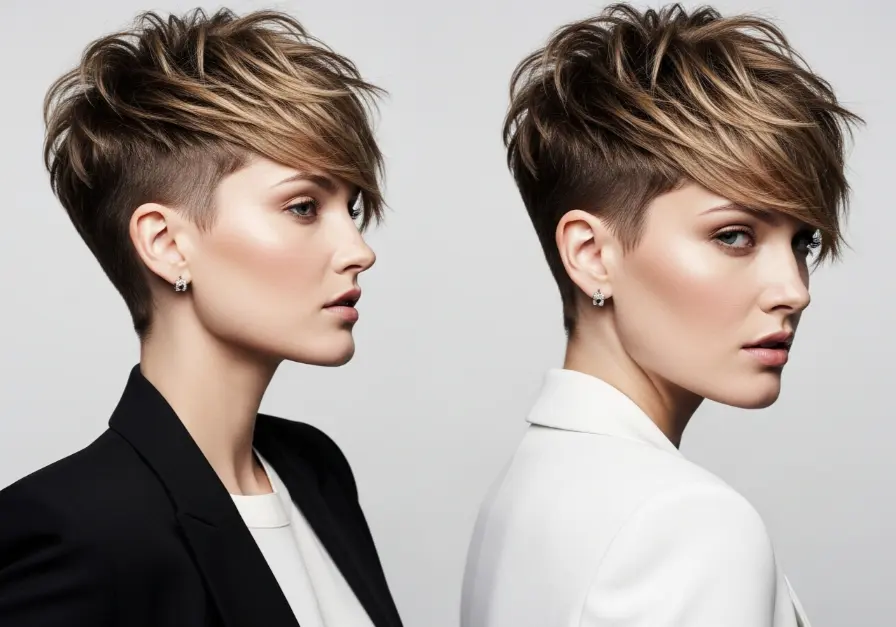
For those ready to embrace shorter lengths, the pixie shag delivers maximum impact with minimal hair. This daring style combines the close-cropped sides of a traditional pixie with longer, heavily layered sections on top and throughout the crown. The contrast creates striking dimension while the textured top provides versatility in styling directions. Women with strong facial features or those wanting to highlight cheekbones find this cut particularly flattering. The maintenance schedule proves surprisingly manageable, requiring trims every six to eight weeks to maintain the shape while allowing creative experimentation with styling products between appointments.
Shaggy Lob With Curtain Bangs
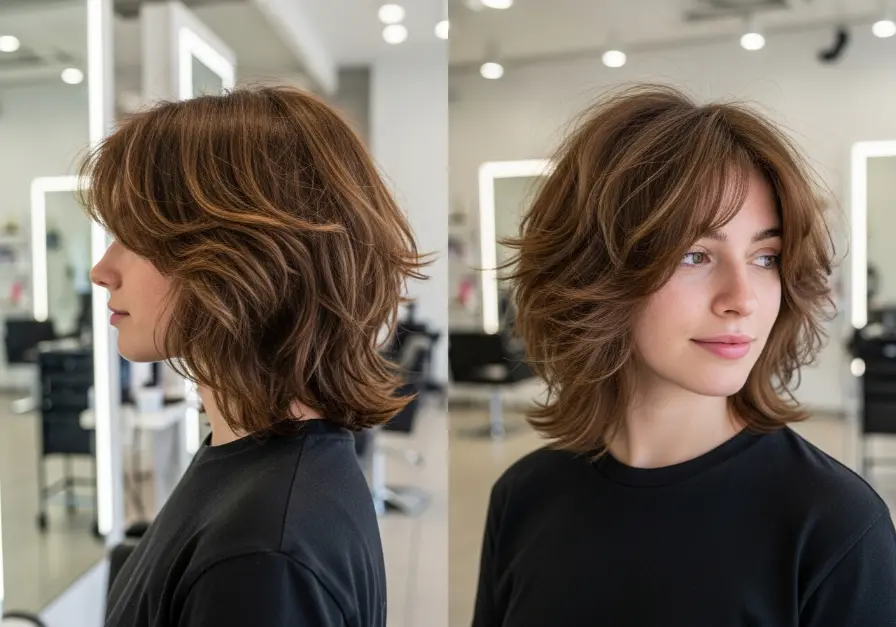
The longer bob, affectionately termed the lob, becomes exponentially more interesting when executed with shaggy layering and complemented by curtain bangs. This combination creates a frame within a frame effect, where the parted fringe draws attention to the eyes while the textured body provides movement and bounce. This style suits nearly every face shape but particularly flatters those with square or rectangular faces by softening angular jawlines. The curtain bangs require minimal styling, naturally falling to either side of a center part, while the body benefits from sea salt spray and air-drying for optimal texture.
Asymmetrical Shag With Edge
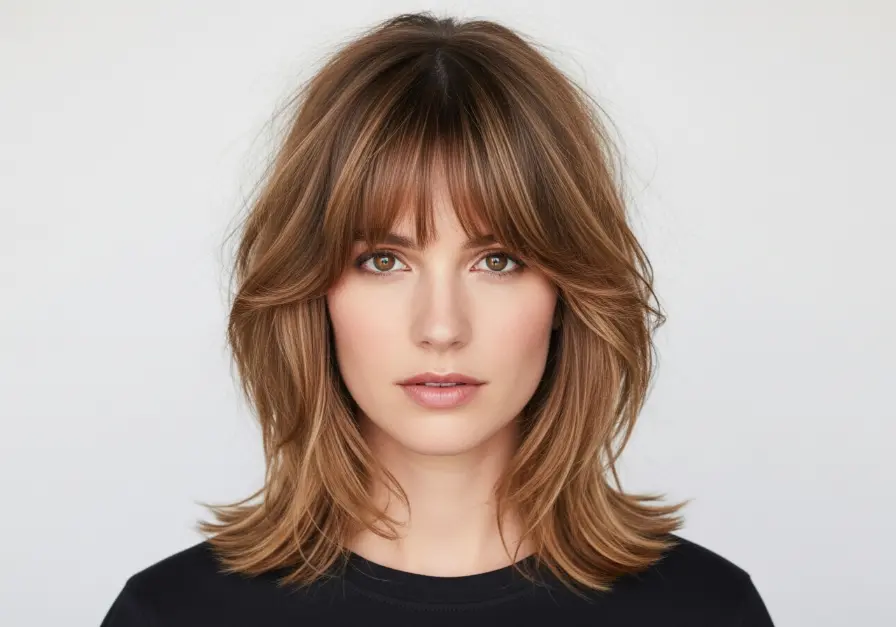
Breaking away from symmetry introduces an avant-garde element to the shaggy aesthetic. This version features one side noticeably shorter than the other, with both sides maintaining the characteristic choppy layers and textured ends. The asymmetry adds visual interest and allows for creative styling options, as you can tuck the shorter side behind your ear for a completely different look or let both sides fall naturally for drama. This cut appeals to those wanting to make a statement while maintaining the easy-going nature of shaggy styles. Round faces benefit particularly from the diagonal lines created by the asymmetry.
Textured Shag With Micro Bangs
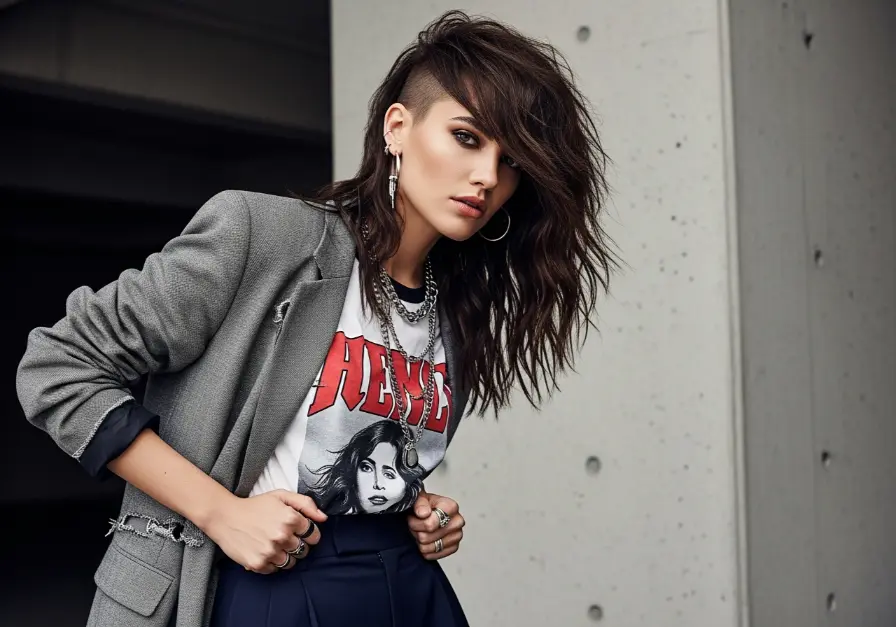
Pairing a short shaggy cut with micro bangs creates an unexpected juxtaposition of polished and carefree. The blunt, eyebrow-grazing fringe provides structure against the deliberately messy layers throughout the rest of the cut. This combination works wonderfully for oval and heart-shaped faces, though those with longer face shapes should approach cautiously as the short fringe can elongate features further. Styling requires a round brush for the bangs to maintain their blunt edge while the remaining hair benefits from minimal intervention, perhaps just a light mist of dry texture spray after air-drying.
The Shaggy Wolf Cut
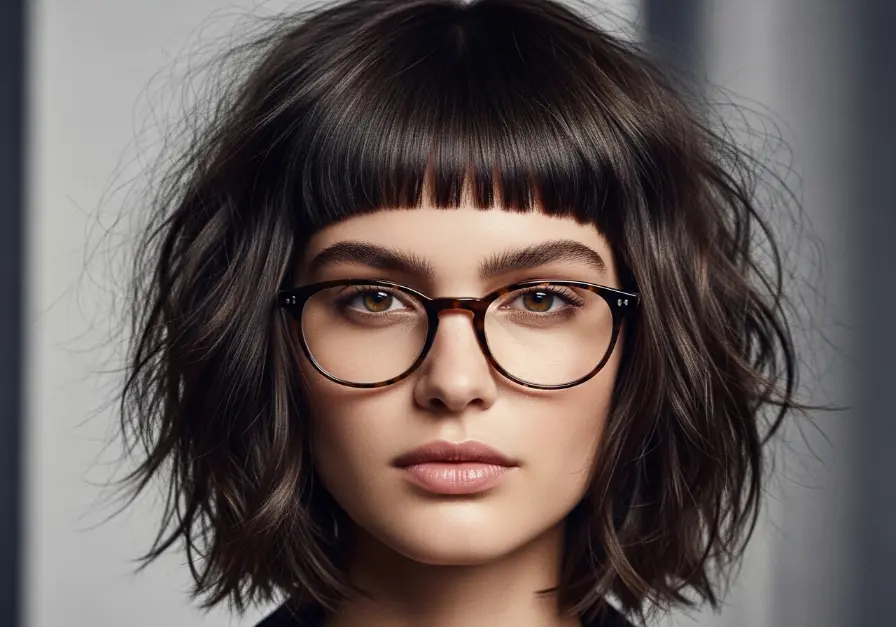
This trending variation takes inspiration from both shag and mullet styles, featuring substantial volume through the crown with dramatic layers that create a distinctive silhouette. The wolf cut incorporates shorter layers around the face that gradually lengthen toward the back, producing a wild, untamed appearance that somehow remains sophisticated. This cut performs beautifully on thick hair types, as the aggressive layering removes bulk while maximizing movement. Styling involves applying mousse to damp hair, flipping your head upside down while blow-drying to enhance volume, then separating pieces with your fingers for definition.
you may also like this: 15 Stunning Kitty-Cut Hairstyle Ideas for Girls 2026
Wispy Shag For Fine Hair
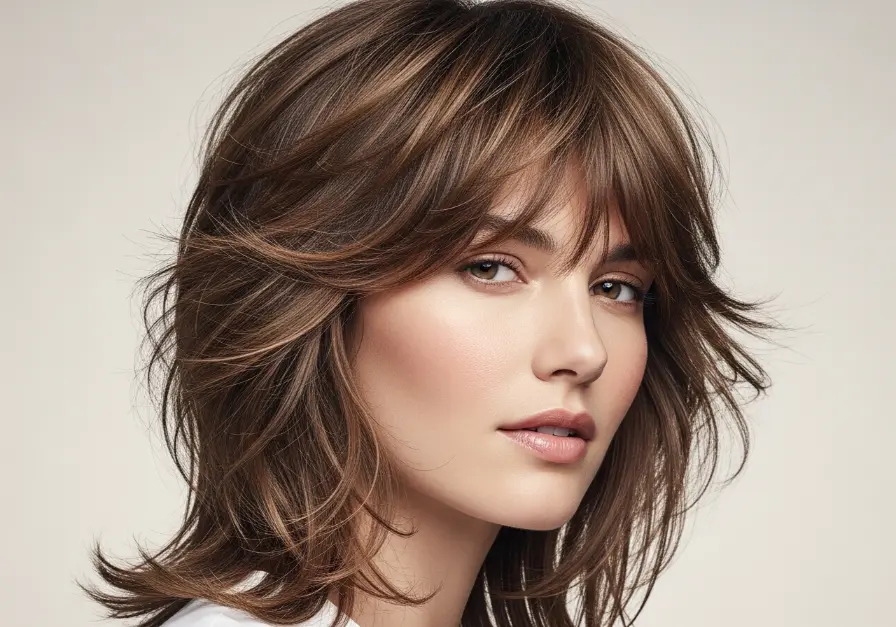
Those with finer hair textures often struggle to find cuts that provide both volume and dimension without appearing limp. The wispy shag addresses this concern through strategic layering that removes just enough weight to create lift without eliminating fullness. The layers begin higher on the head, around ear level, with feathered ends that create the illusion of density. This approach requires skilled execution, as removing too much hair defeats the purpose. Styling products should focus on volumizing formulas, with root-lifting spray applied before blow-drying and a lightweight texturizing spray finishing the look.
Blunt Shag Hybrid
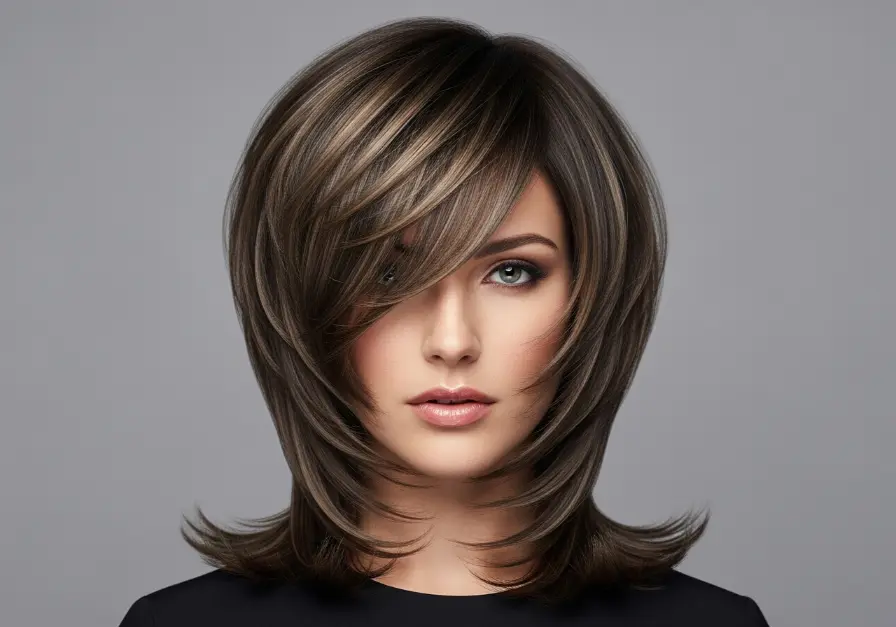
Combining the clean lines of a blunt cut with shaggy layering creates an interesting tension that feels decidedly modern. The perimeter maintains a relatively even length while the interior features substantial layering and texture. This creates fullness and movement without the wispy ends characteristic of traditional shags. The blunt shag works across various hair types and face shapes, though it particularly complements thick, straight hair that can support the weight of the blunt perimeter while showcasing the internal texture. Styling requires smoothing the outer layer while encouraging the internal layers to create dimension through strategic product placement.
Curly Shag Celebration
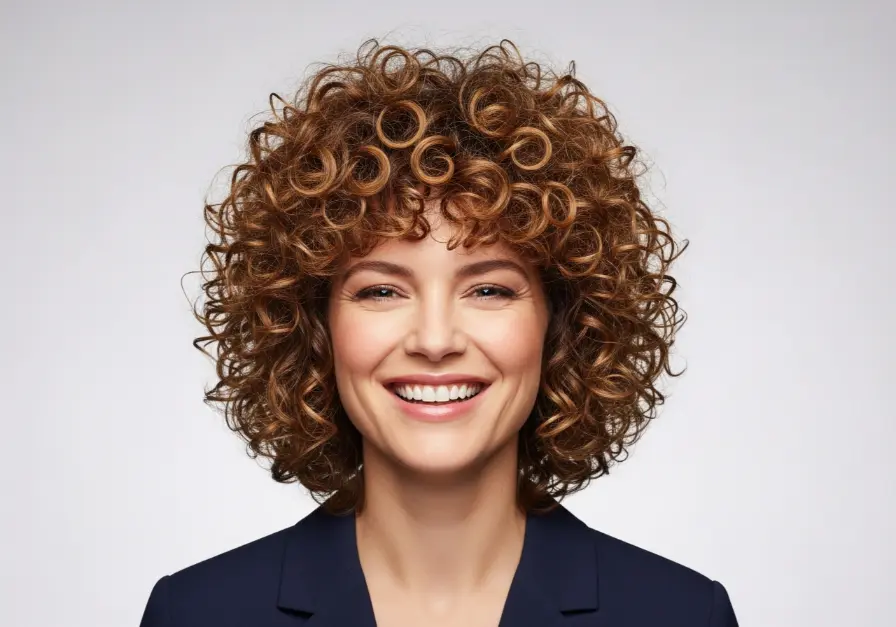
Curly hair and shaggy cuts form a natural partnership, as the layering enhances curl pattern while reducing the triangular shape that sometimes plagues one-length curly styles. The layers should follow the natural curl pattern, with cuts performed on dry hair to ensure accuracy. This approach creates a rounded silhouette with maximum definition and bounce. Styling involves applying curl-enhancing cream to soaking wet hair, scrunching to encourage formation, then either diffusing or air-drying. The shaggy layers prevent the heavy, pulled-down appearance that can occur with curly hair while celebrating natural texture.
Edgy Razor-Cut Shag
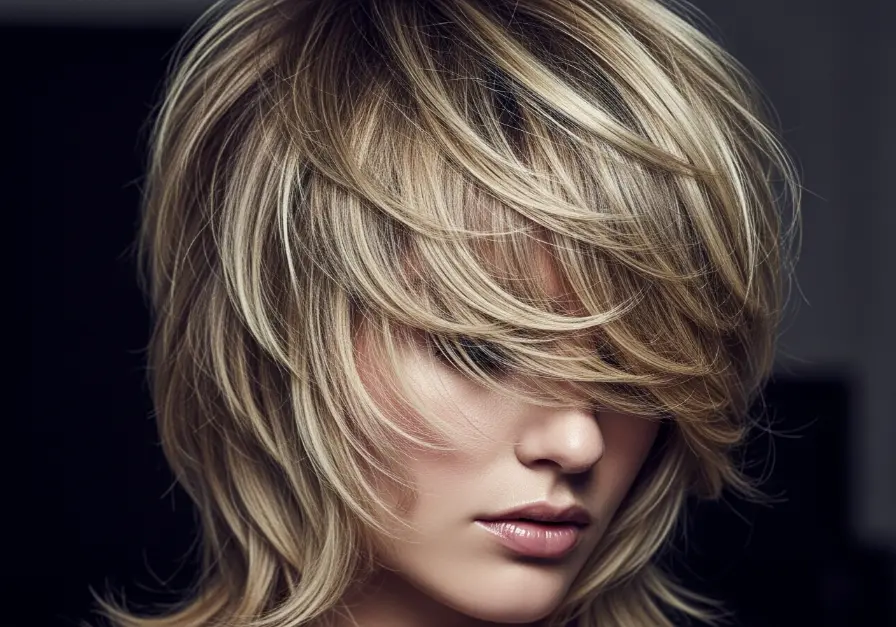
The razor cutting technique produces the ultimate textured shag, creating soft, feathered ends that enhance movement exponentially. Unlike scissor cuts that produce blunt ends, the razor creates tapered tips that layer seamlessly and move independently. This technique suits those wanting maximum texture and works particularly well on medium to thick hair types. The razor-cut shag requires a skilled stylist comfortable with this specialized cutting method, as improper technique can cause damage. Styling remains minimal, often just working a small amount of styling cream through damp hair and allowing natural texture to emerge as it air-dries.
Maintaining Your Shaggy Cut
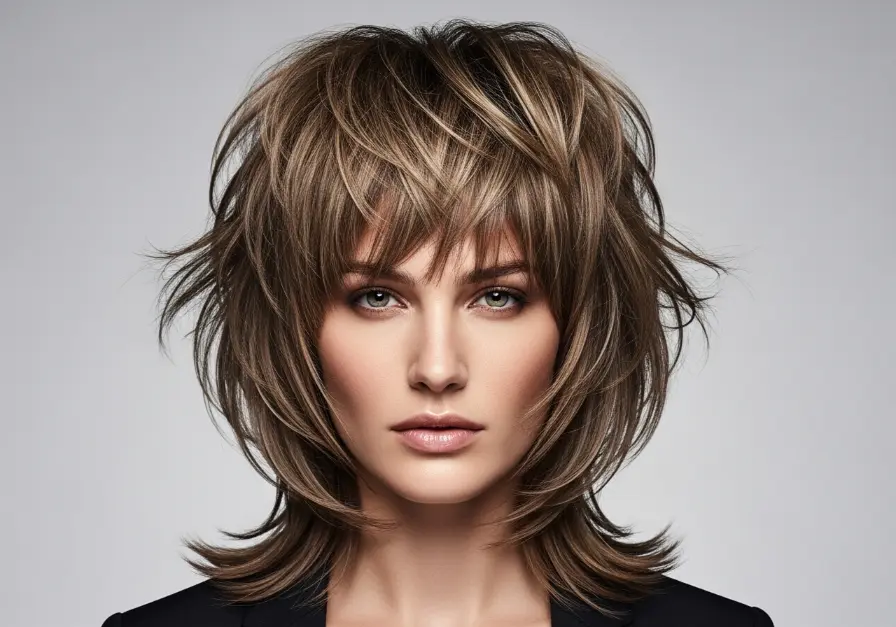
Proper maintenance ensures your shaggy haircut continues looking intentional rather than neglected. Schedule trims every six to eight weeks to preserve the shape and prevent the layers from growing out unevenly. Between appointments, invest in quality texturizing products that enhance rather than weigh down the style. Dry shampoo becomes your ally, adding volume at the roots while extending time between washes. Avoid over-styling with heat tools, as the beauty of shaggy cuts lies in their natural, imperfect appearance. A good texturizing spray or sea salt spray can revive the style between washes without requiring extensive effort.
Styling Products That Enhance
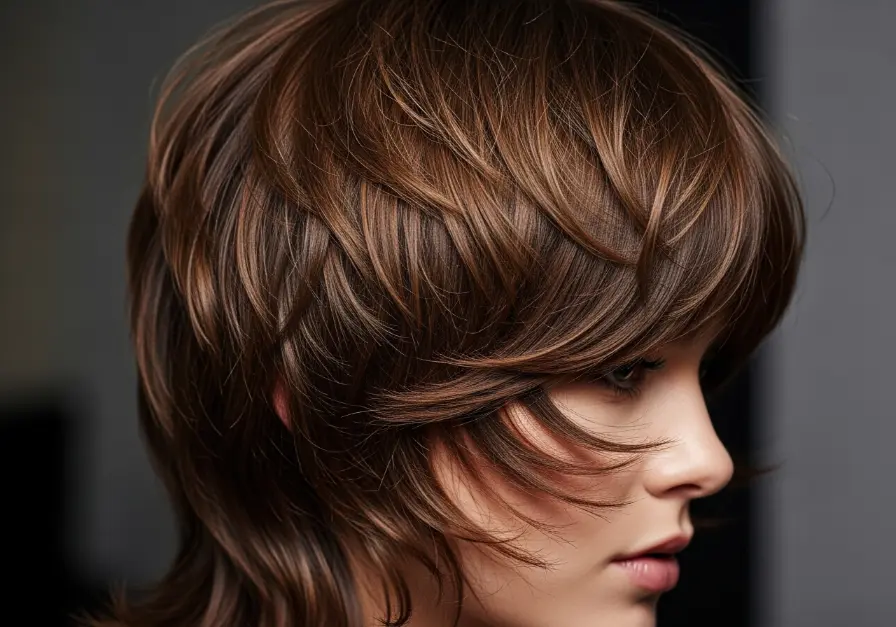
The right products make the difference between a purposefully tousled shag and an unkempt mess. Texturizing sprays provide hold without stiffness, allowing hair to move naturally while maintaining separation between layers. Sea salt sprays enhance wave patterns and create beachy texture, ideal for those with naturally wavy or straight hair wanting more dimension. For those with curly hair, curl-defining creams applied to wet hair help individual curls form while reducing frizz. Pomades and waxes work well for creating piece-y definition in shorter shags, though use sparingly to avoid a greasy appearance. Dry texture sprays offer quick refreshment between washes, adding volume and separation.
Conclusion
Short shaggy haircuts represent more than a passing trend; they embody a shift toward embracing natural texture and reducing the time spent fighting against our hair’s inherent characteristics. These ten variations demonstrate the remarkable versatility within the shaggy category, offering options for every face shape, hair type, and personal style preference. The key to success lies in finding a skilled stylist who understands layering techniques and can customize the cut to work with your specific features and hair characteristics. Once you discover your ideal shaggy variation, the minimal maintenance requirements and maximum style impact make this choice one you will appreciate every morning when effortless cool takes just minutes to achieve.
Frequently Asked Questions
How often should I wash my short shaggy haircut?
Washing every two to three days typically works best for shaggy cuts, as natural oils enhance texture and piece-y separation. Over-washing can strip these beneficial oils, making hair appear flat and requiring more styling products to achieve the desired tousled effect.
Can short shaggy haircuts work for professional environments?
Absolutely. The key is maintaining clean, intentional styling rather than genuinely messy hair. Using quality products to create controlled texture and ensuring regular trims keeps the style looking polished and purposeful rather than unkempt, making it entirely appropriate for professional settings.
What face shapes work best with shaggy cuts?
Shaggy haircuts flatter virtually all face shapes when properly customized. Oval faces suit nearly any variation, round faces benefit from longer lengths with face-framing layers, square faces soften with choppy texture, and heart-shaped faces look great with volume through the crown and wispy ends.
Do I need special styling tools for shaggy haircuts?
Most shaggy styles require minimal tools. A basic blow dryer suffices, though many people successfully air-dry these cuts. A flat iron or curling wand can add variety when desired, but the beauty of shaggy cuts is their low-maintenance nature that looks great with minimal heat styling.
How do I prevent my shaggy cut from looking too messy?
The distinction between stylishly shaggy and genuinely disheveled comes down to intentionality. Keep hair clean, use appropriate products for your hair type, ensure regular trims to maintain shape, and create separation between layers with texturizing products rather than leaving hair completely untouched after washing.