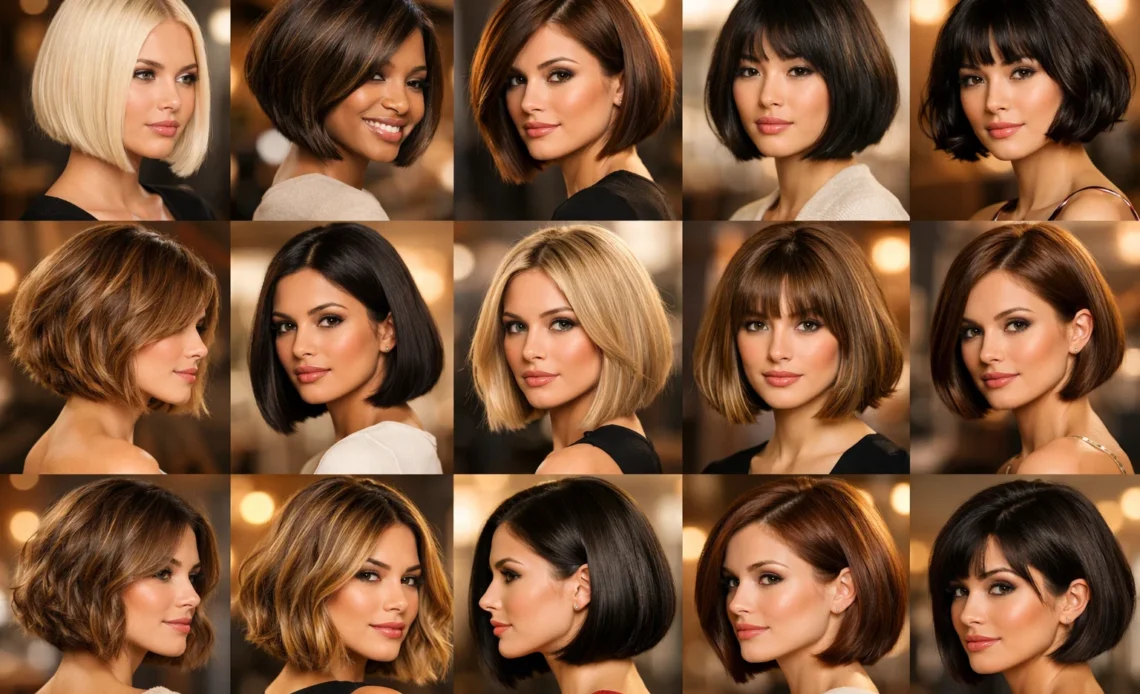
A bob cut addresses this in a practical way. By keeping the length shorter, typically between the nape of the neck and the shoulders, the hair maintains more structural integrity. The ends appear denser because there is less length pulling them down. Add strategic layering or graduation, and you create movement and dimension that fine hair struggles to produce on its own.
Beyond structure, a bob is also one of the most versatile cuts available. You can wear it sleek for a corporate setting, tousled for a weekend outing, or curled for a special occasion. The adaptability of the bob makes it a long-term investment rather than a seasonal novelty.
1. The Classic Blunt Bob
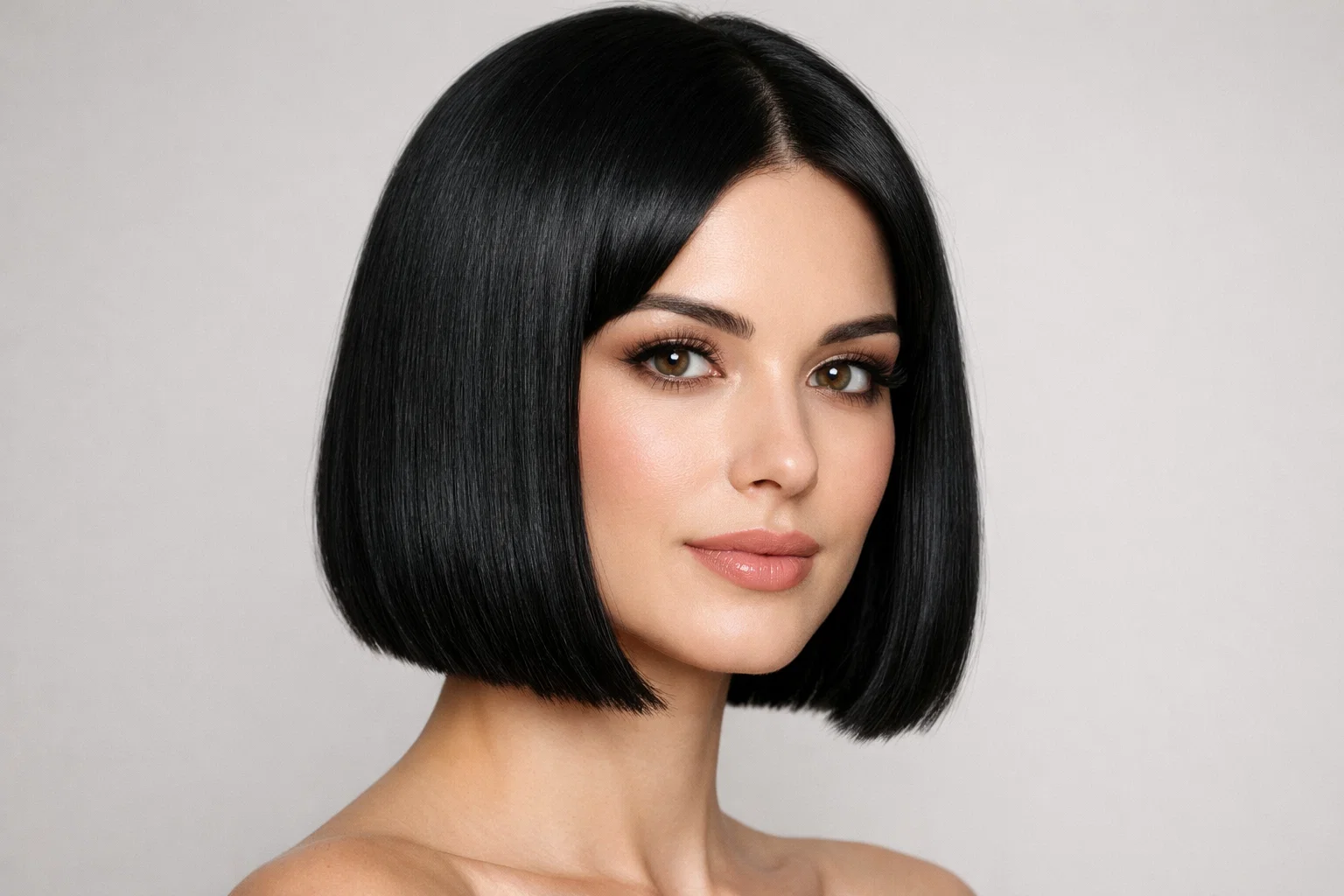
The blunt bob is a timeless choice that cuts all the hair to one even length, typically landing at the jawline or just below. This uniform perimeter creates the illusion of thickness because all the strands meet at the same point, visually amplifying density. For fine hair, the blunt cut is one of the most effective ways to make hair look fuller without relying on heavy products. Style it with a round brush and blow dryer for a smooth, polished finish that holds its shape throughout the day.
2. The Stacked Bob
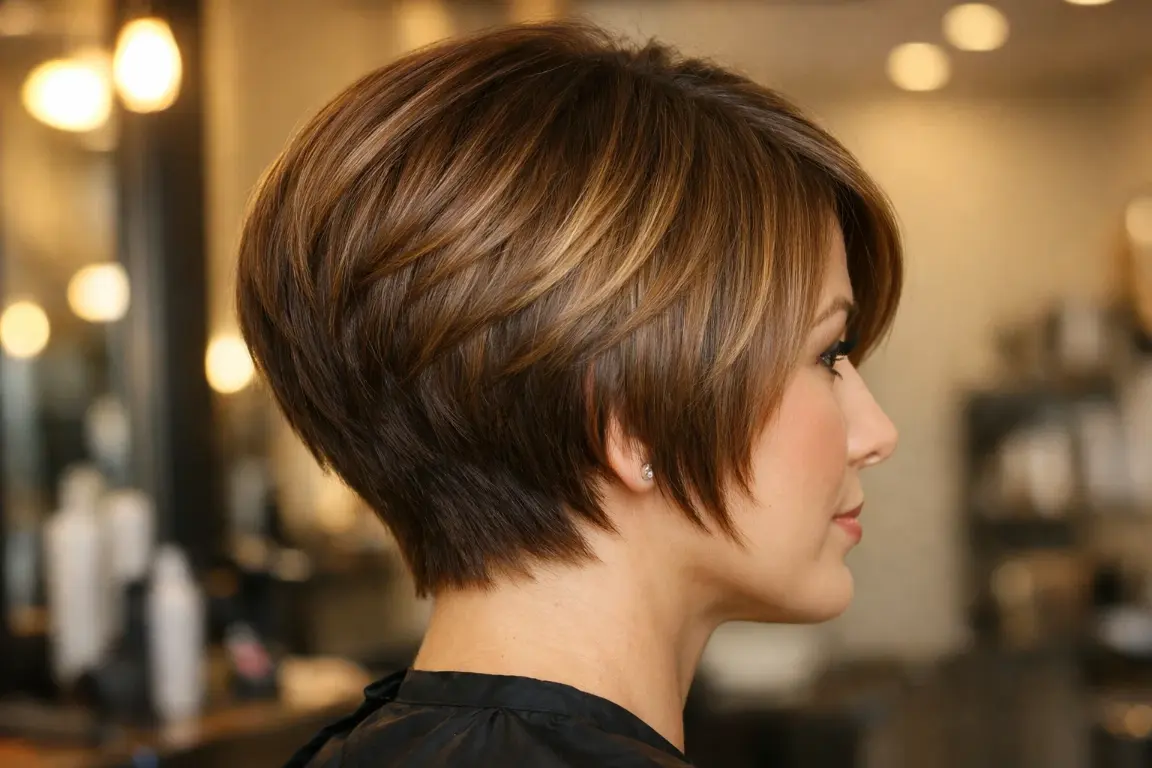
The stacked bob features layers that are graduated at the back, creating a rounded, voluminous shape from the nape of the neck upward. This stacking technique is one of the most powerful tools for fine hair because it builds real, structural volume rather than faking it with products. The back of the head appears fuller and more rounded, which is exactly what fine hair needs. This style pairs beautifully with side-swept bangs for an even more flattering frame.
3. The Layered Bob
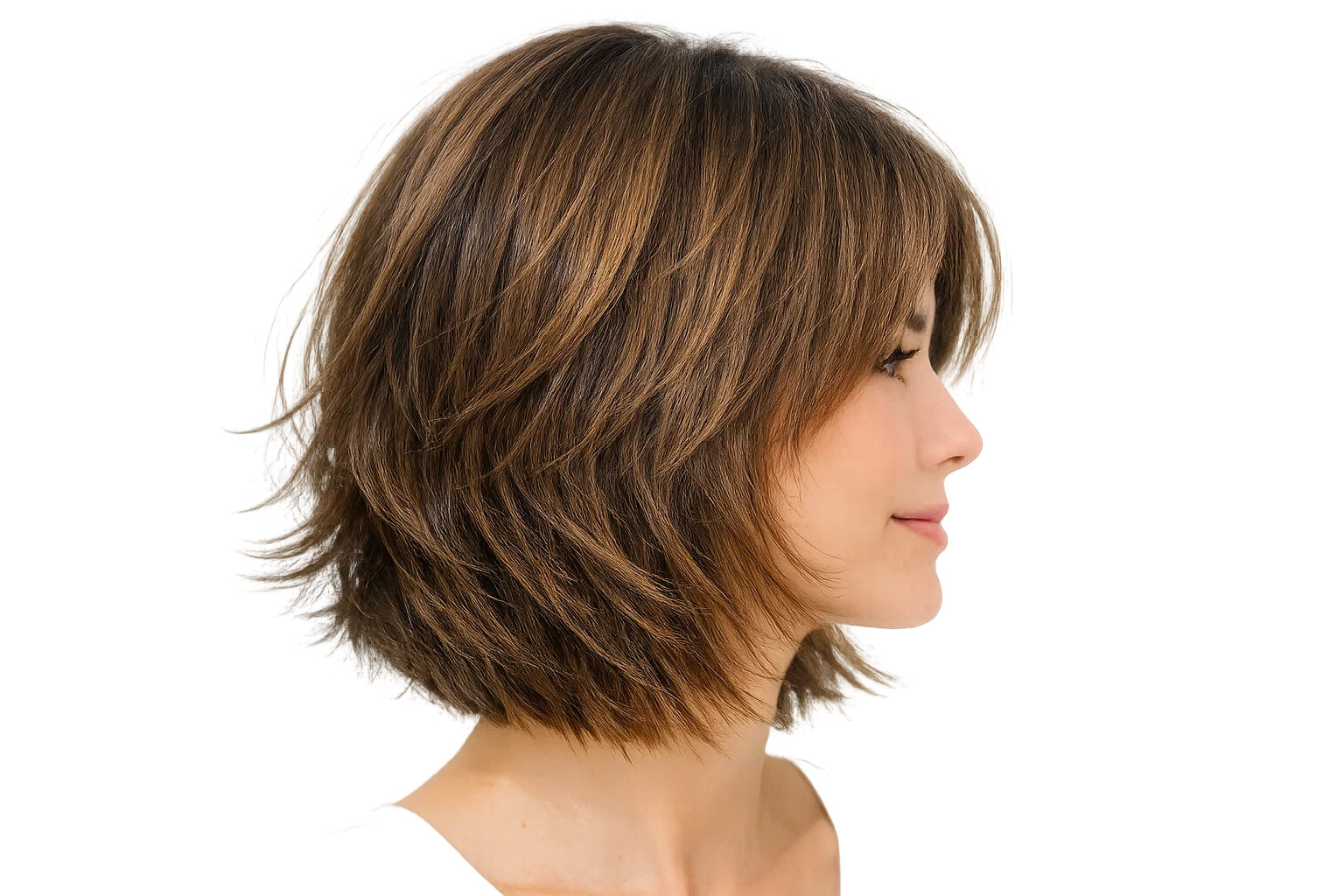
Layers introduce movement and depth to fine hair without removing too much weight at once. A layered bob features soft, graduated layers through the mid-lengths and ends, which helps the hair swing and bounce rather than sit flat. The key is requesting light, feathered layers rather than heavy chunky ones. Heavy layering can actually make fine hair look thinner, so a skilled stylist will keep the layers subtle but effective, letting the natural movement of your hair do the work.
4. The Angled or Inverted Bob
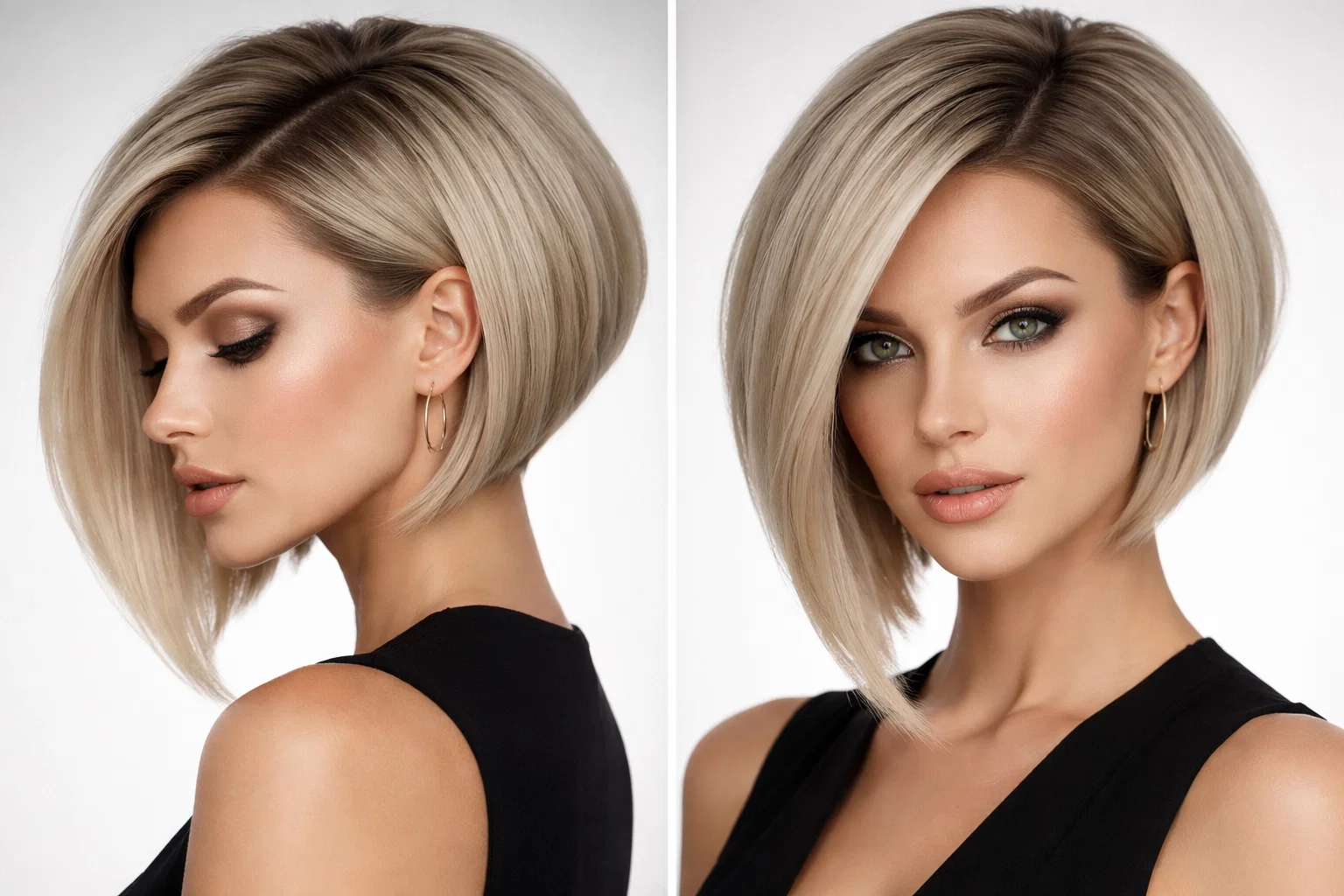
An angled bob is cut shorter at the back and gradually longer toward the front, creating a diagonal line that frames the face. This structure builds volume at the crown and nape while allowing the front sections to graze the jawline or collarbone. For fine-haired individuals, the stacked back section is particularly beneficial because it creates the appearance of fullness exactly where hair tends to fall flat. The result is a sharp, architectural look that always appears intentional and well-styled.
5. The A-Line Bob
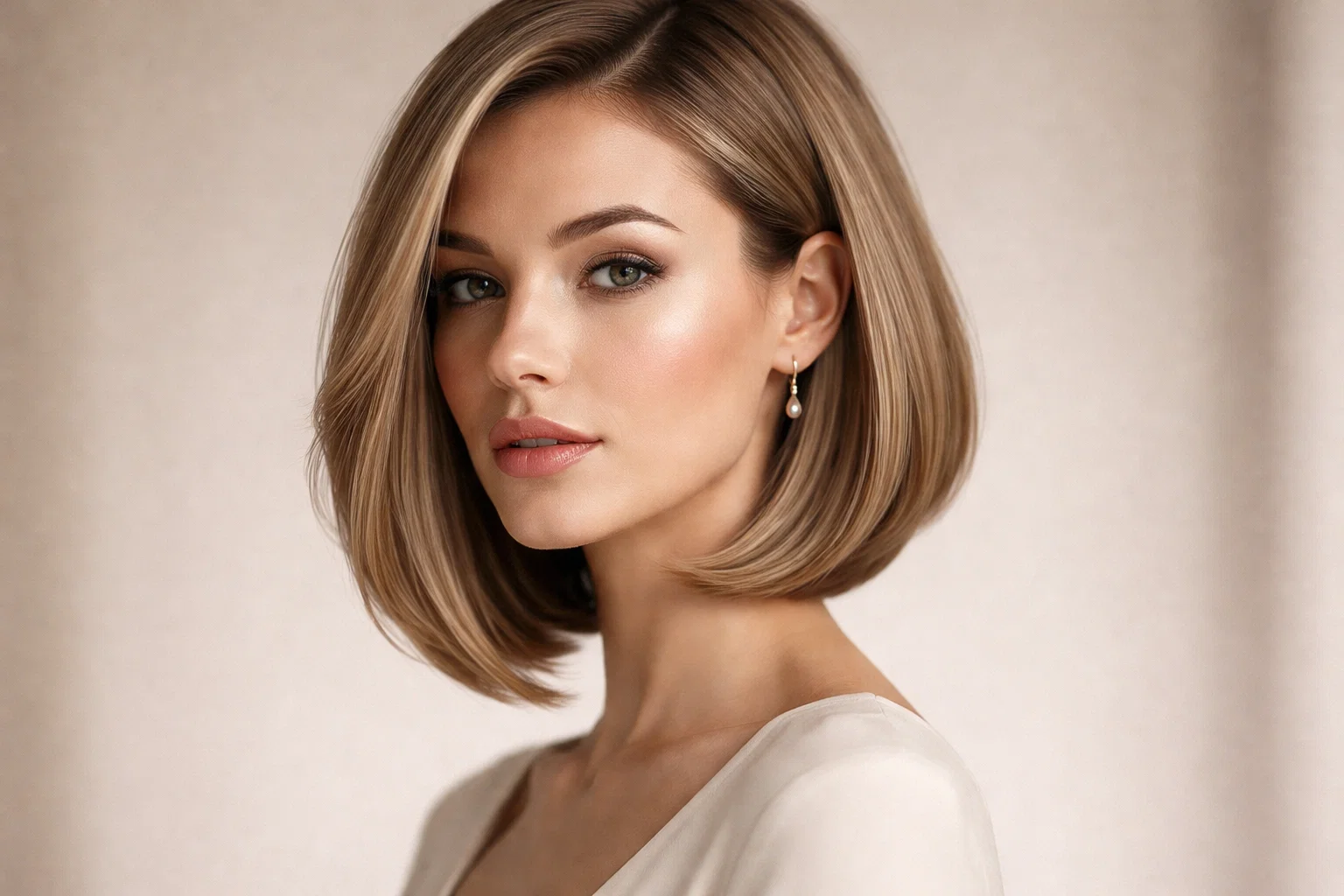
The A-line bob is a variation of the angled cut that creates a longer, more gradual slope from the shorter back to the longer front. This style is particularly flattering for those with round or square face shapes because the longer front pieces draw the eye downward, creating a slimming effect. For fine hair, the A-line works because the back section is built up with stacked layers while the front maintains enough length for versatile styling. It is a sophisticated choice that looks effortlessly expensive.
6. The Textured Bob
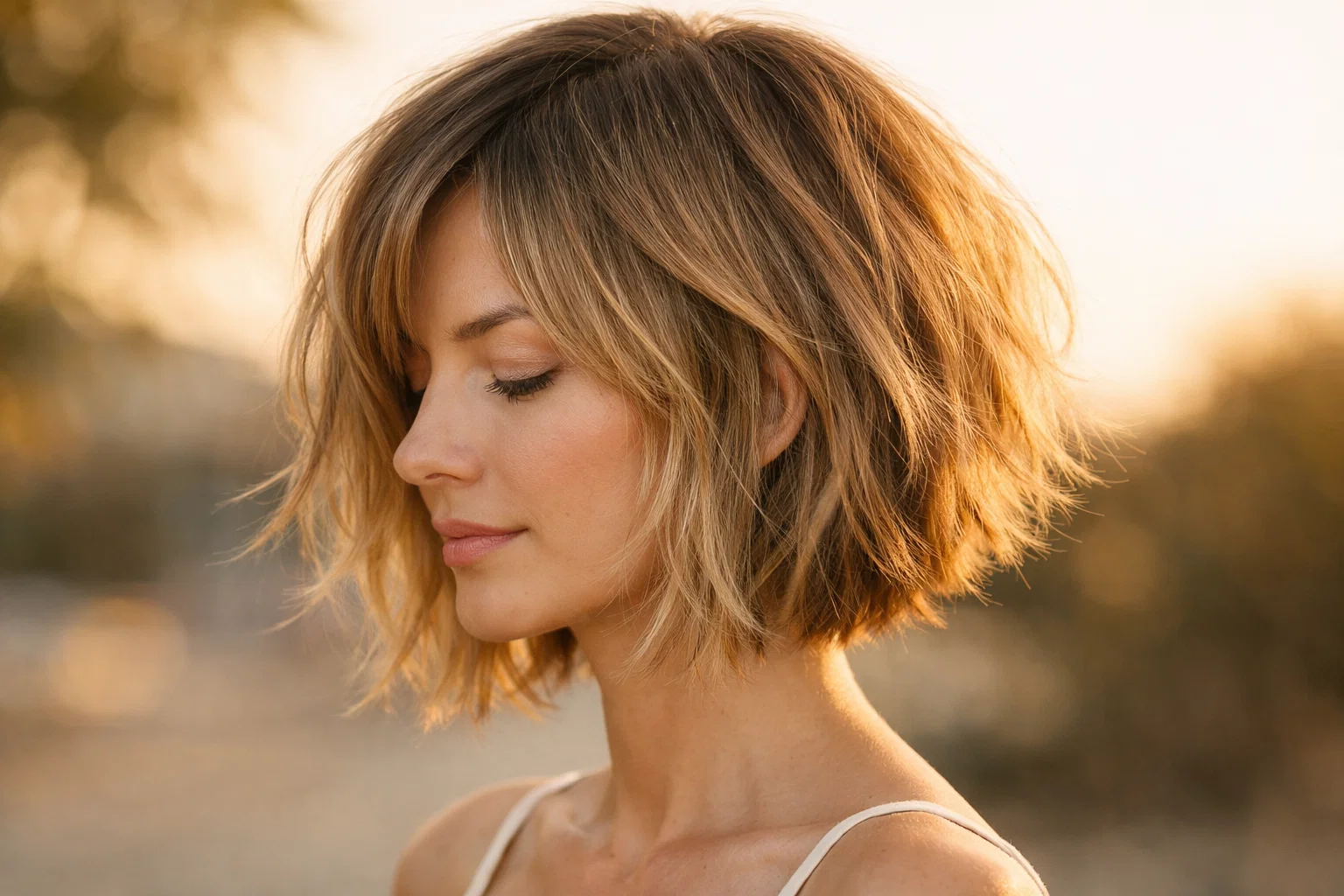
A textured bob uses razor cutting or point cutting techniques to create soft, wispy ends that give fine hair an airy, dimensional quality. Rather than a blunt, clean line, the ends are slightly broken up so that the hair moves freely and appears more abundant. This style works especially well when paired with a texturizing spray or mousse applied to the roots before blow-drying. The result is a lived-in, effortless look that does not require perfect styling every morning.
you may also like this: 17 Messy Bob Hairstyles Ideas for a Cute and Stylish Look
7. The Chin-Length Bob
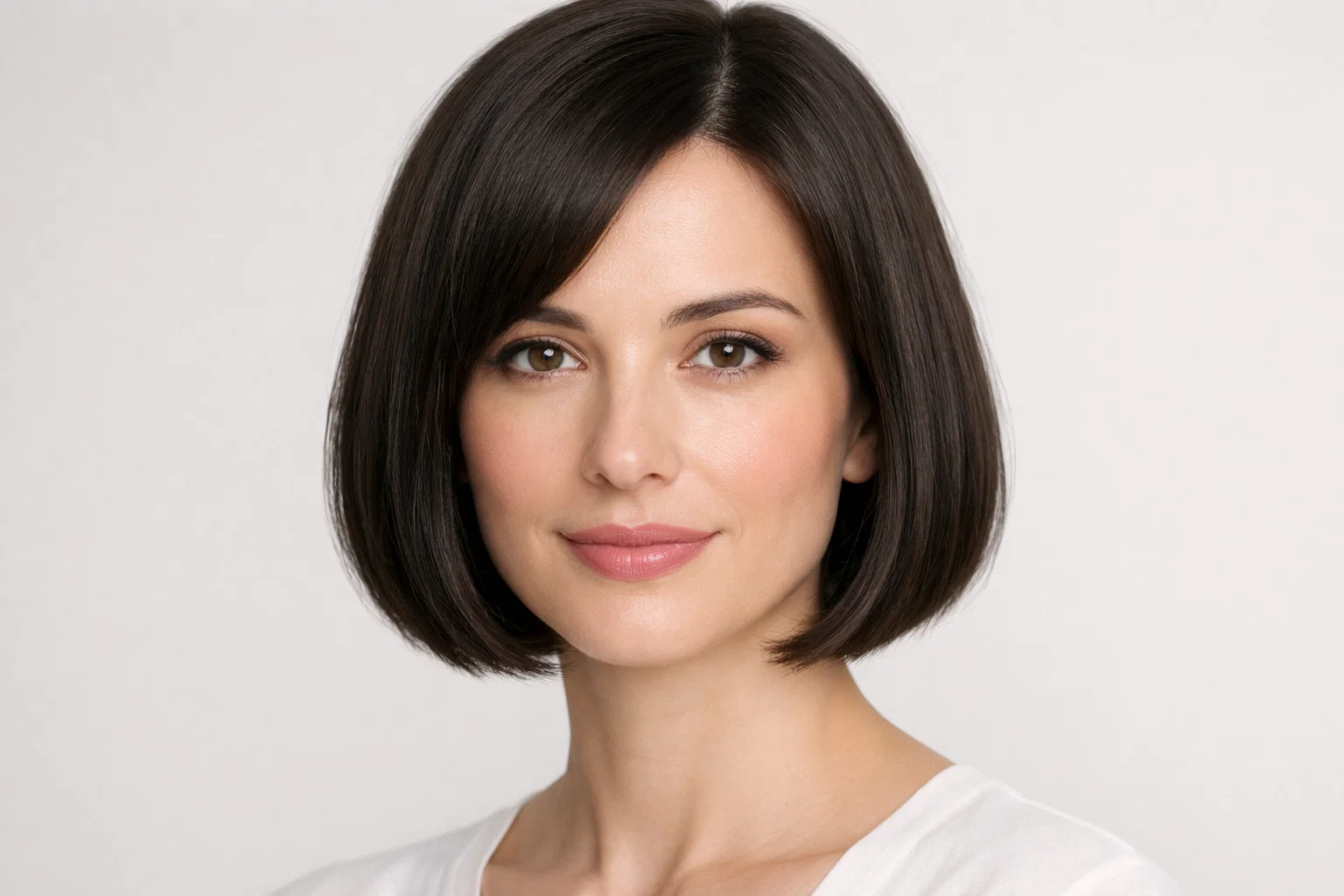
The chin-length bob is a classic for a reason. Ending right at the jawline, this cut creates one of the most flattering frames for the face while maximizing the visual weight of fine hair at the ends. The chin is the ideal stopping point because it allows the hair to curl slightly inward or outward, creating bounce and movement that longer lengths cannot sustain. Women with oval, heart, or oblong face shapes will find this length particularly complementary.
8. The Long Bob (Lob)
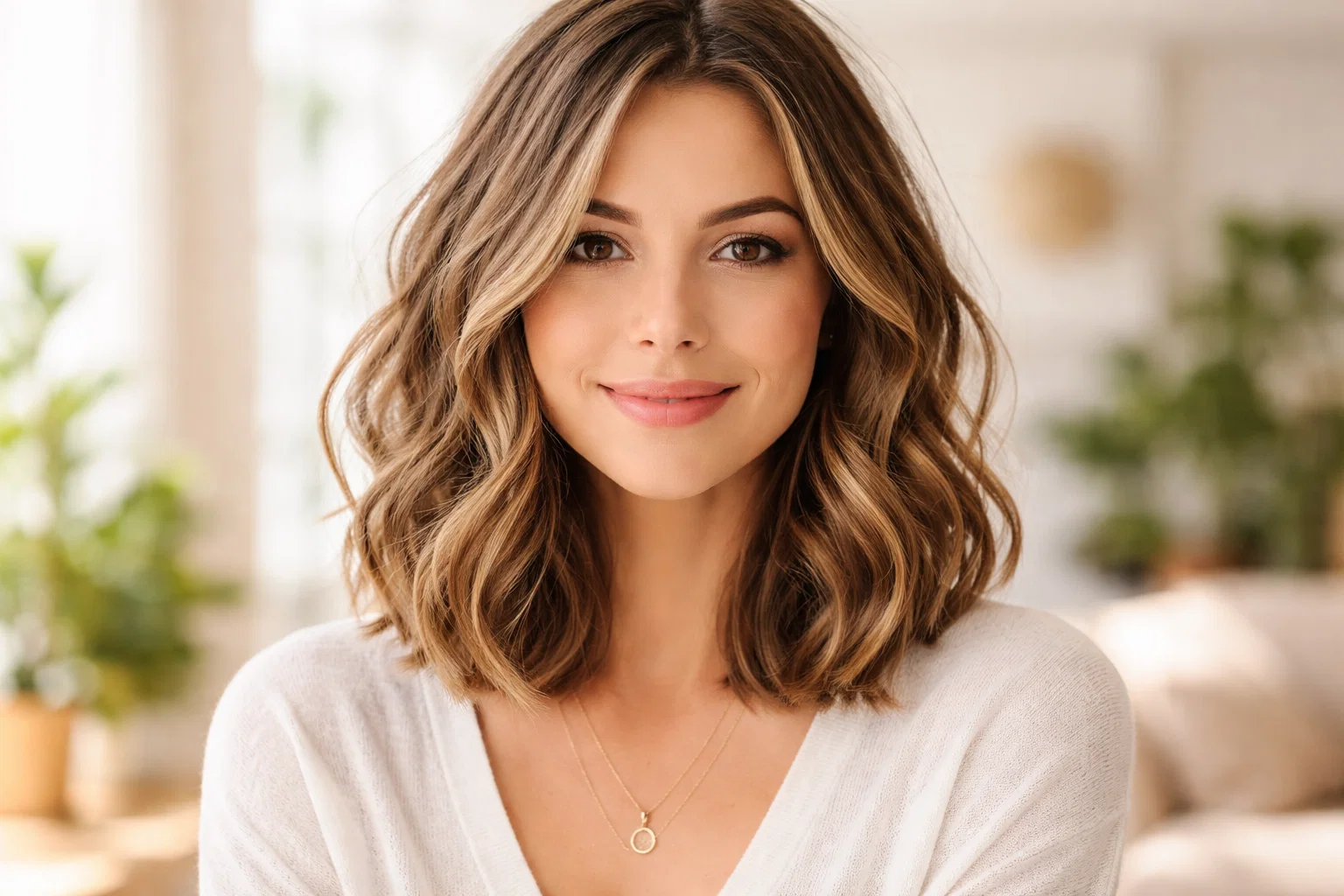
For those who are not ready to go short, the lob offers the best of both worlds. Sitting between the chin and the shoulders, the long bob maintains enough length for versatile styling while still providing the volume benefits of a shorter cut. Fine hair wearers who opt for a lob should request layers to prevent the style from looking flat. Waves added with a medium-barrel iron give the lob a natural body that straight fine hair simply cannot achieve on its own.
9. The French Bob
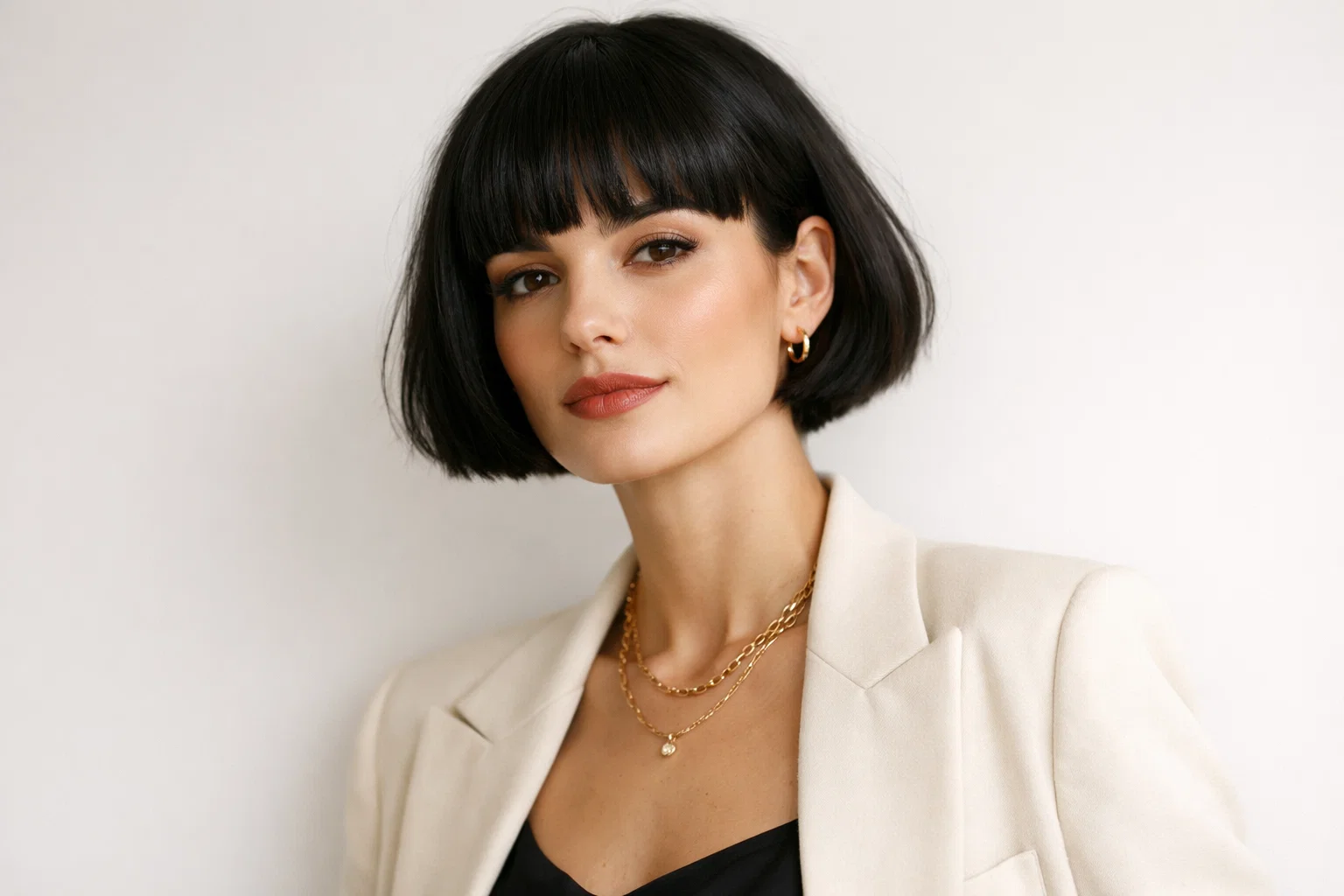
The French bob is a cropped, above-the-jaw cut that often features blunt ends and frequently pairs with bangs for a Parisian-inspired aesthetic. This shorter length is highly effective for fine hair because there is very little length left to fall flat. The compact shape forces all the volume upward and outward, creating a rounded, full silhouette. It is a bold choice, but one that consistently delivers dramatic results for those with thin or fine strands.
10. The Bob with Curtain Bangs

Curtain bangs are soft, center-parted fringe pieces that fall on either side of the forehead and blend seamlessly into the rest of the hair. When added to a bob, they create a face-framing effect that draws attention upward, making the overall style feel fuller and more dimensional. For fine hair, curtain bangs are a smart addition because they add layers around the face without removing bulk from the rest of the cut. They also require minimal maintenance compared to blunt fringe.
11. The Wavy Bob
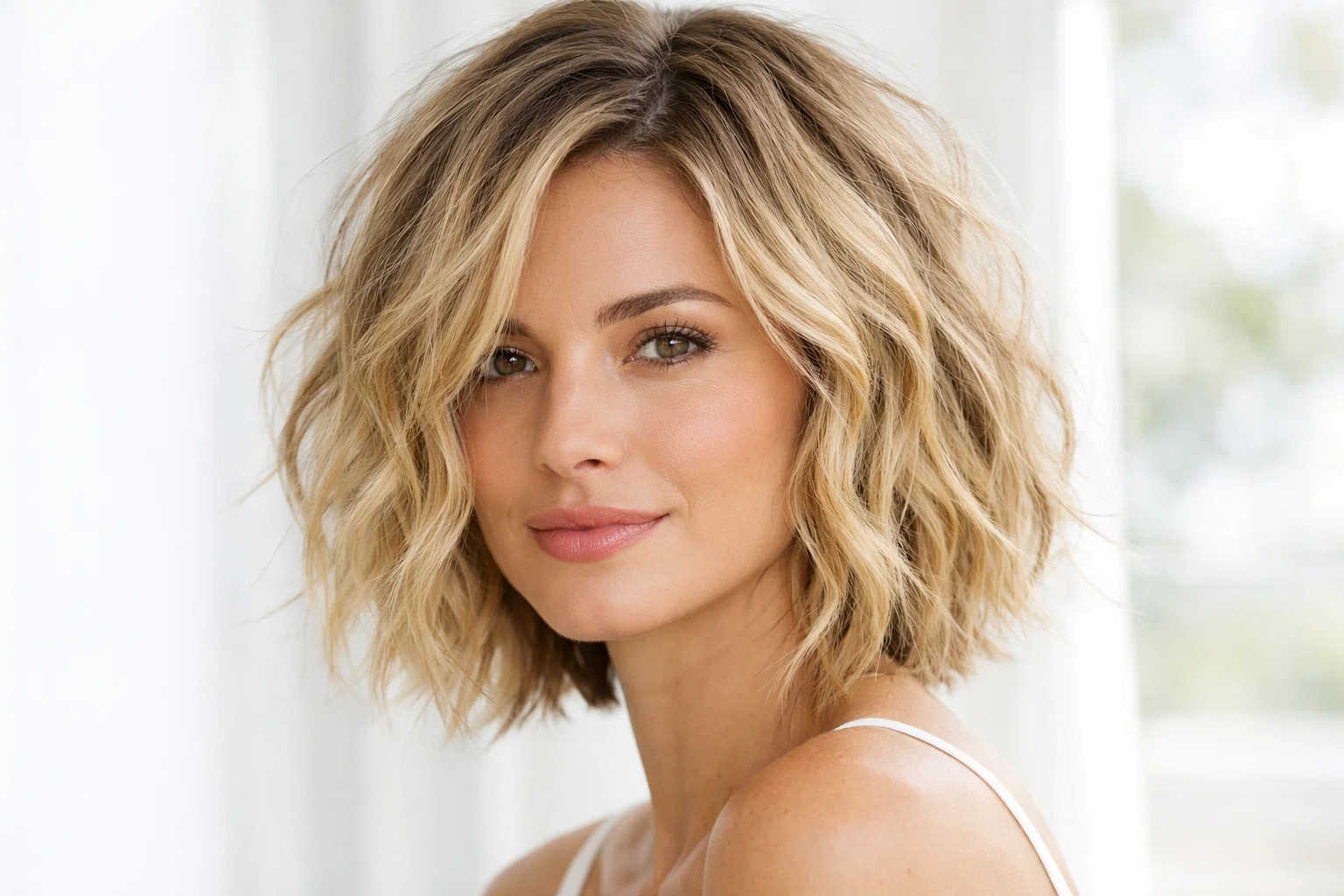
Even if your hair does not naturally wave, styling your bob with loose, undone waves instantly multiplies the appearance of volume and thickness. A wavy bob works by creating bends in the hair shaft that cause strands to spread apart rather than lie flat against each other. Use a 1.25-inch barrel curling wand, wrap sections loosely, and allow them to cool before separating with your fingers. Finish with a light-hold spray to maintain the texture without stiffness.
12. The Bob with Face-Framing Highlights
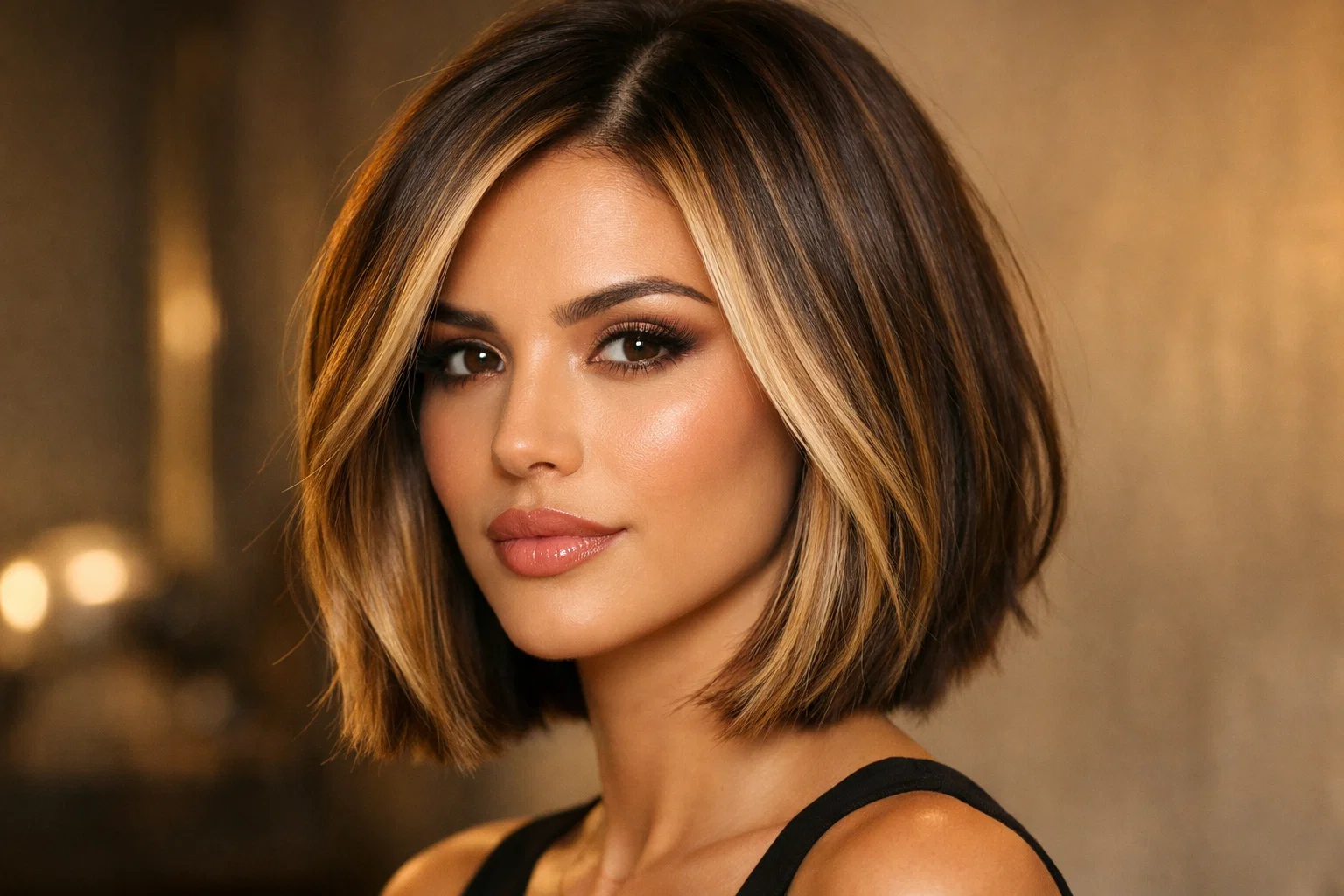
While color is not a haircut, strategic highlighting can dramatically enhance the appearance of volume in a fine-hair bob. Face-framing highlights placed through the front sections create contrast and depth, making the hair appear more multi-dimensional. Balayage or subtle babylights are particularly effective because they add variation without harsh lines. The combination of a well-cut bob and thoughtfully placed color creates a look that appears naturally thick and effortlessly styled.
13. The Sleek, Polished Bob
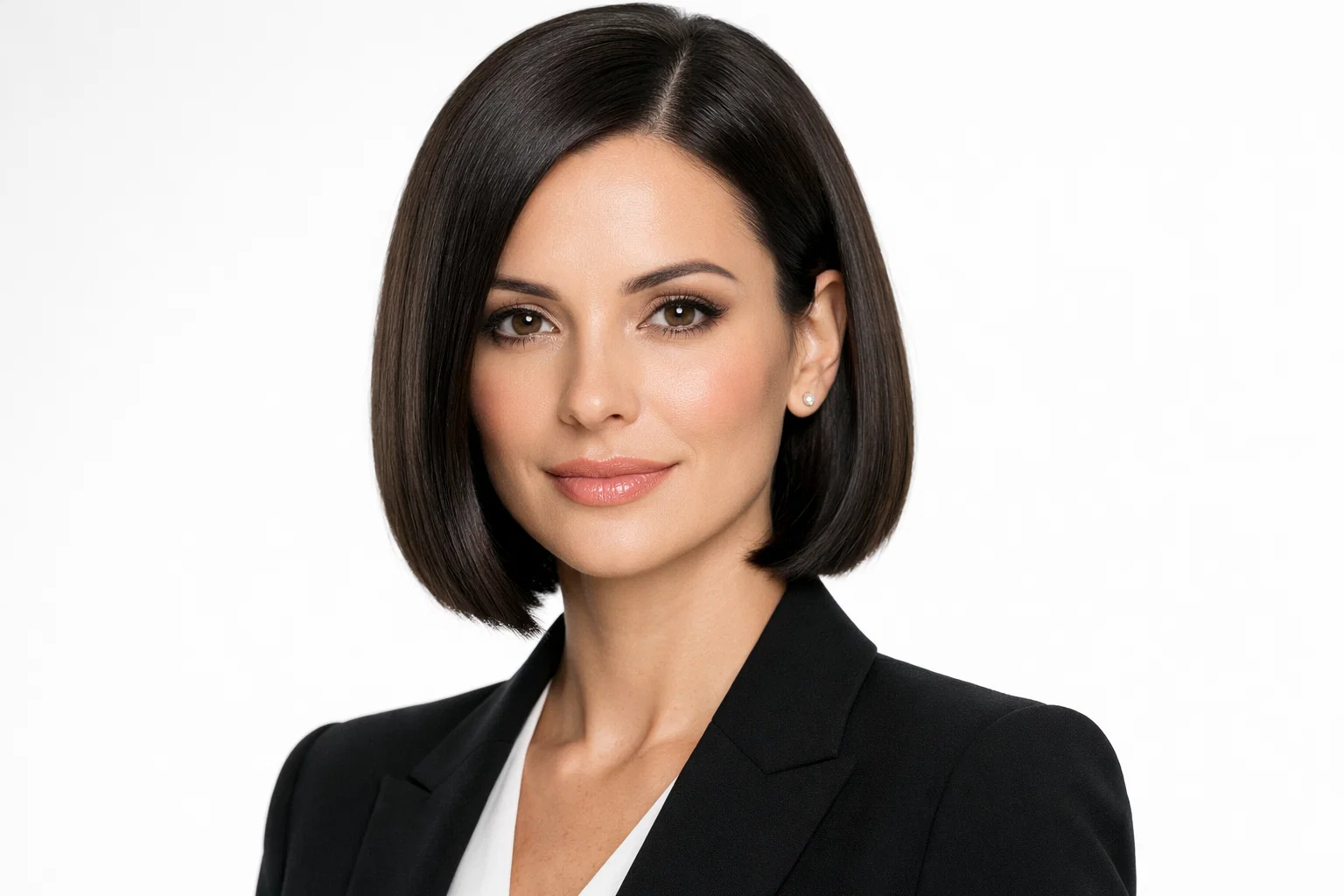
Not every fine-hair bob needs to be voluminous. A sleek, smooth bob styled with a blow dryer, paddle brush, and a small amount of smoothing serum can look stunning and intentional. This style works best for those who prefer a more polished, professional aesthetic. The key is to keep the ends perfectly groomed with regular trims every six to eight weeks, as split ends are far more visible on fine hair and can undermine an otherwise beautiful style.
Essential Styling Tips to Maximize Volume in a Fine Hair Bob
Choosing the right cut is only half of the equation. How you style your bob at home plays an equally important role in achieving lasting volume and shape.
Use a Volumizing Mousse or Root Spray
Apply a lightweight volumizing mousse to damp hair before blow-drying. Concentrate product at the roots rather than the ends to lift the hair from the scalp rather than weigh down the lengths. A root-lifting spray used directly at the crown before drying can also provide immediate, noticeable lift.
Master the Round Brush Blow-Dry
A round brush used during blow-drying is one of the most effective tools for creating volume in a bob. Work in small sections, rolling the brush under the hair at the roots to create lift, then finishing at the ends with either an inward or outward curl depending on your preferred style. The heat combined with the tension of the brush sets the shape into the hair, and it will hold far longer than air-drying.
Dry Shampoo as a Styling Tool, Not Just a Cleanser
Many people use dry shampoo only when they skip washing, but for fine hair it is also an excellent styling product. Apply it to clean, dry roots before styling to give strands grip and texture. This extra friction at the root prevents hair from sliding flat and keeps volume in place for longer throughout the day.
Choosing the Right Bob for Your Face Shape
The ideal bob is not one-size-fits-all. Your face shape should guide your decision just as much as your hair type.
Oval faces are the most versatile and suit virtually every bob length and variation, from the French bob to the lob.
Round faces benefit from longer bobs or A-line cuts that add length and draw the eye downward, creating a more elongated silhouette.
Square faces are beautifully softened by layered or wavy bobs that break up the angular jawline with movement and texture.
Heart-shaped faces look stunning with chin-length bobs that add width at the jaw and balance the wider forehead.
Always consult with a professional stylist who can assess your unique facial structure and hair texture together before finalizing your cut.
Conclusion
Fine hair is not a limitation. With the right cut, it is an opportunity to explore some of the most stylish and impactful hairstyles available. Bob hairstyles for fine hair offer a practical, beautiful, and lasting solution to the volume challenges that thin strands present. Whether you gravitate toward the structured elegance of a blunt bob, the architectural confidence of an angled cut, or the relaxed charm of a wavy lob, there is a bob on this list that was made for you.
The best time to try a new look is now. Book a consultation with your stylist, bring your inspiration, and embrace the season with a bob that gives your fine hair the volume, shape, and style it has always deserved. Confidence, as any good hairstyle proves, starts from the top.
Frequently Asked Questions
1. What is the best bob haircut for very fine, thin hair?
The stacked bob and the blunt bob are consistently rated as the best options for very fine hair. Both styles concentrate visual weight at the ends, creating the illusion of thickness. The stacked bob offers structural volume through graduated layers at the back, while the blunt cut creates a dense, solid perimeter that makes hair look fuller than it actually is.
2. Should I avoid layers if I have fine hair?
Not at all. The key is requesting the right type of layers. Heavy, chunky layers can remove too much weight from fine hair and make it look sparse. However, light, feathered layers or subtle stacking at the back can actually add movement and dimension that fine hair lacks. Always communicate clearly with your stylist about the density of your hair so they can customize the layering technique accordingly.
3. How often should I trim a bob if I have fine hair?
Fine hair benefits from trims every six to eight weeks. Because fine strands are more susceptible to split ends and breakage, regular trims keep the ends clean and the overall shape intact. A well-maintained bob on fine hair looks dramatically better than a grown-out one, so staying on schedule with appointments is genuinely worth the investment.
4. What styling products work best for adding volume to a fine hair bob?
Lightweight volumizing mousse, root-lifting spray, and dry shampoo are the three most effective product categories for fine-hair bobs. Apply mousse to damp hair before blow-drying for all-over body. Use root spray directly at the crown for targeted lift. Apply dry shampoo at the roots before or after styling to add grip and extend volume throughout the day. Avoid heavy serums, oils, or creams as these will flatten fine hair quickly.
5. Can a bob make fine hair look thicker without coloring it?
Yes, absolutely. The cut alone can create a significant difference in how full fine hair appears. A blunt perimeter, stacked back layers, or angled graduation all add visual density without any color treatment. Strategic cutting techniques redistribute the hair’s weight to where it has the most visual impact, and the right blow-dry technique can amplify that effect further. Color can enhance the result, but it is entirely optional for achieving a fuller appearance.