
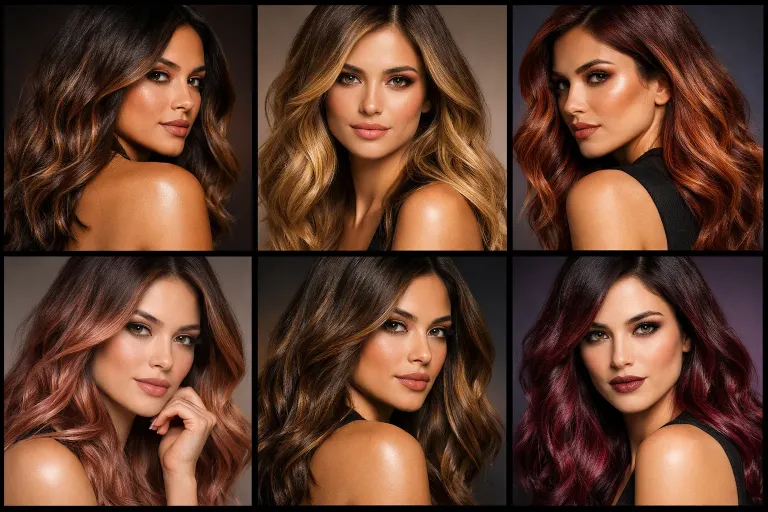
Dark hair has always carried its own quiet power. There is a richness to it, a depth that draws the eye and commands attention. But even the most beautiful natural color can feel flat over time, and that is precisely where balayage steps in to change everything. Balayage hair color for dark hair is one of the most requested salon techniques in the world today, and for good reason. It offers dimension, warmth, and movement without erasing the drama that made your dark base so compelling in the first place.
Unlike traditional highlights applied through foil in uniform sections, balayage is a freehand painting technique. A stylist sweeps or paints color directly onto the surface of the hair, concentrating product on the mid-lengths and ends while leaving the roots naturally dark. The result is a seamless gradient, a look that mimics the way sunlight naturally lightens hair over months of outdoor living. For women with dark hair, this technique unlocks a world of color possibilities that were once considered out of reach.
Whether you are a first-time color client or someone looking to refresh an existing look, the following 12 ideas cover everything from subtle and understated to bold and transformative.
1 Caramel Balayage
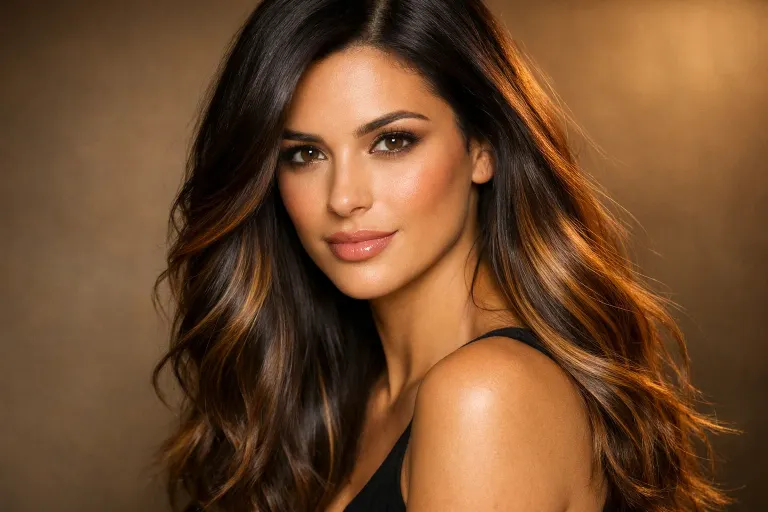
Caramel is the most universally flattering shade for dark hair, and it remains a top choice year after year. Warm golden-brown tones are hand-painted throughout the mid-lengths and ends, creating a soft, sun-drenched effect that reads as completely natural. This shade works beautifully on both dark brown and near-black bases, adding warmth without ever appearing brassy. It is especially well-suited to olive and medium skin tones, though it flatters virtually everyone.
2 Honey Blonde Balayage
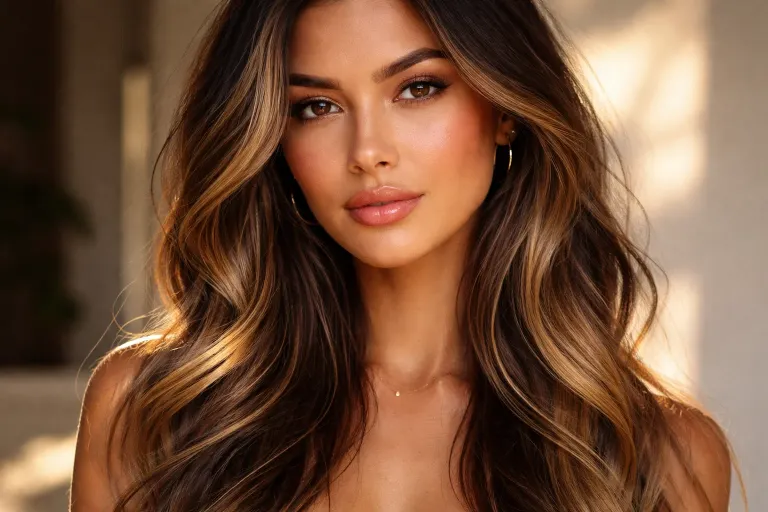
For those who want a touch of brightness without committing to full-on blonde, honey blonde balayage delivers a sweet middle ground. The golden tones are neither too cool nor too warm, which makes them exceptionally versatile. A skilled stylist will concentrate the honey tones around the face and at the ends, building luminosity where light naturally hits. The effect is a glowing, almost sun-kissed warmth that feels effortless throughout every season.
3 Chocolate Brown Balayage
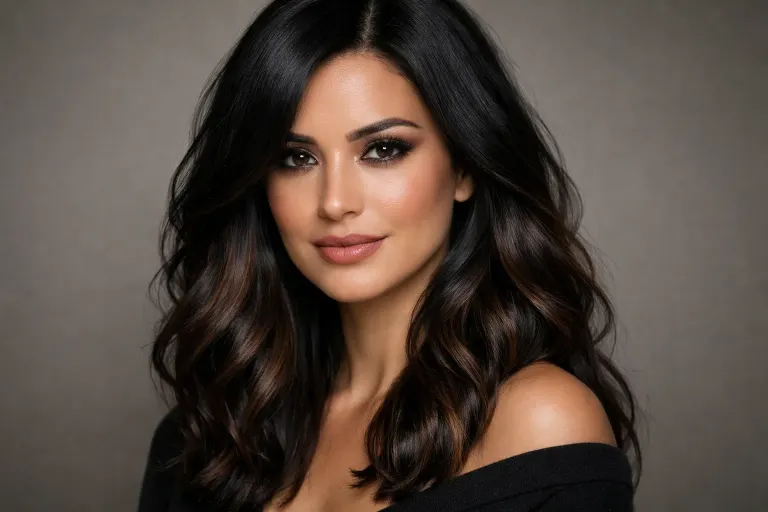
Not every balayage needs to go dramatically lighter. Chocolate brown balayage is a tone-on-tone approach that adds depth and dimension without a significant contrast. Cocoa and mocha tones are woven through a dark base, creating movement and a multidimensional finish that catches light beautifully. This is the ideal option for anyone who wants a polished transformation with virtually no maintenance required.
4 Bronde Balayage
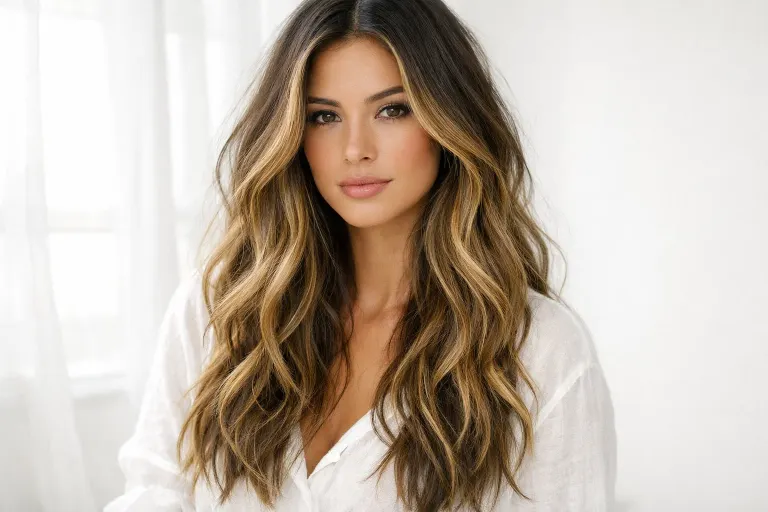
Bronde, the effortless blend of brunette and blonde, is one of the most wearable color trends for dark-haired women. The technique involves lifting sections of dark hair to a soft golden or dark blonde shade, then seamlessly blending those lighter pieces back into the natural root. The resulting look is lived-in, natural, and endlessly flattering. Bronde balayage is particularly effective on long, wavy hair where the gradual color shift can express itself fully.
5 Copper and Auburn Balayage
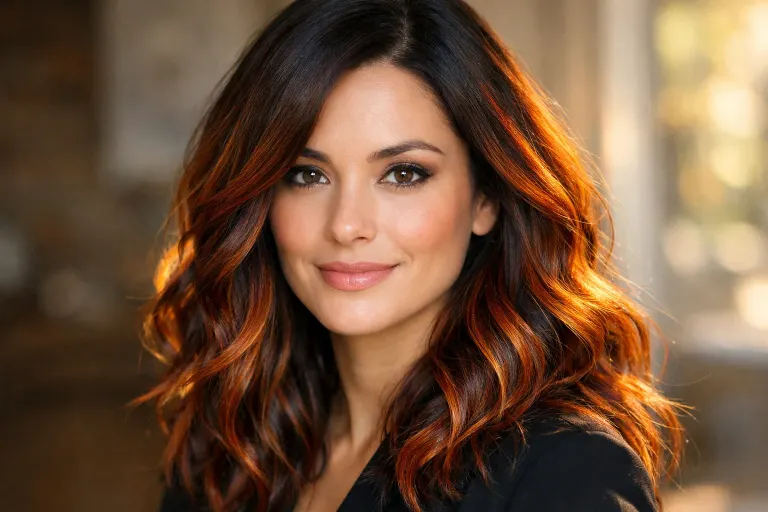
Copper balayage is a warm and vibrant choice that adds an almost jewel-toned quality to dark hair. Auburn and copper tones are painted throughout the lengths, creating a fiery glow that works especially well on dark brown bases. This look is particularly striking in natural light, where those warm tones shimmer and shift. Women with warm or neutral skin undertones will find copper balayage exceptionally flattering.
6 Ash Brown Balayage
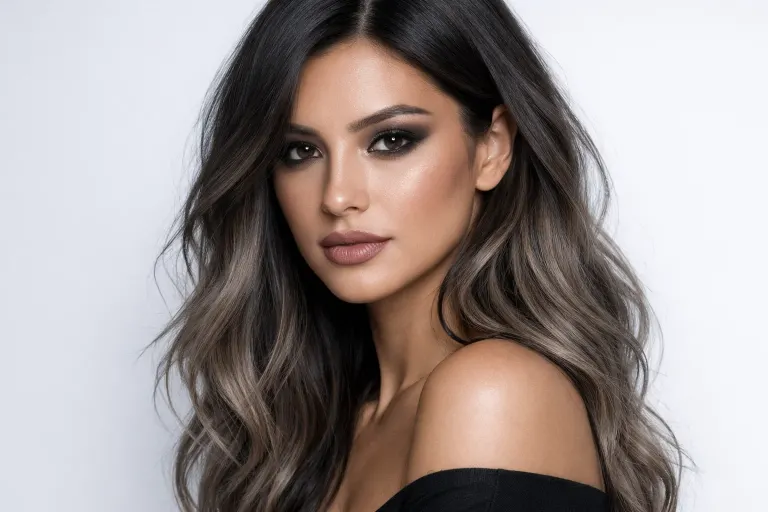
For those who prefer cool tones over warm ones, ash brown balayage is a refined and modern option. Smoky, muted highlights soften the dark base without adding any brassiness, giving the finished result a chic, almost editorial quality. This approach works particularly well on women with cool or pink-toned skin and is easily maintained with regular use of a purple or blue toning shampoo between salon visits.
7 Mocha Balayage with Face-Framing Highlights
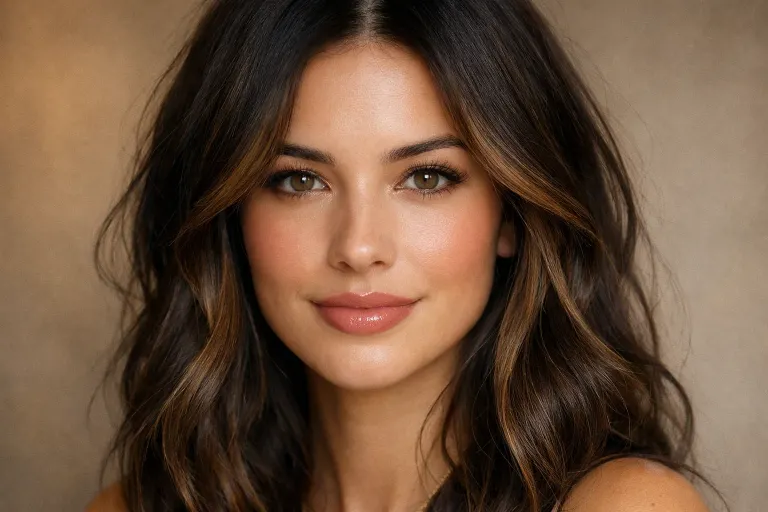
Mocha balayage centers lighter, medium-brown tones around the face while keeping the rest of the hair deeper and darker. This strategic placement immediately brightens the complexion and draws attention to facial features. The contrast is subtle enough to feel natural but impactful enough to make a clear difference. It pairs beautifully with layered cuts and works across all dark hair shades, from rich brunette to near-black.
8 Rose Gold Balayage
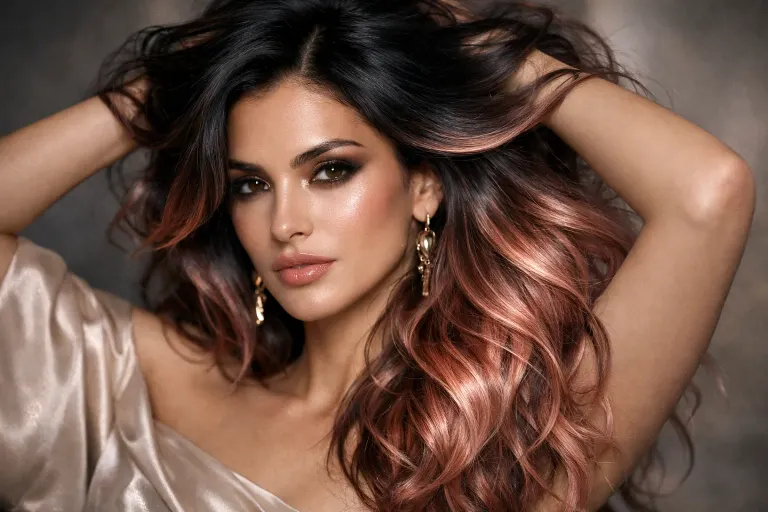
Rose gold balayage has earned its place as one of the most eye-catching options for dark-haired women who want something truly different. The pinkish-gold tones require a degree of pre-lightening on very dark bases, but once achieved, the result is warm, romantic, and undeniably modern. This look can be dialed up or down in intensity depending on personal preference, ranging from a delicate blush wash to a deep, metallic rose gold.
9 Espresso Balayage
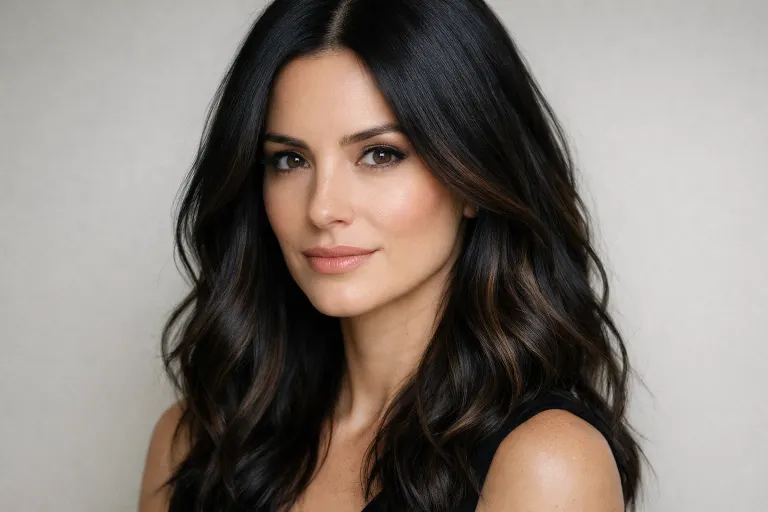
Espresso balayage is the go-to for anyone with jet-black or very dark near-black hair who wants dimension without any dramatic lifting. Cool brown ribbons are hand-painted through the dark base, adding reflective shine and subtle movement. This is one of the most understated balayage approaches available, making it ideal for first-time color clients or anyone who prefers a conservative transformation. The grow-out is seamless, making maintenance nearly effortless.
10 Burgundy Balayage
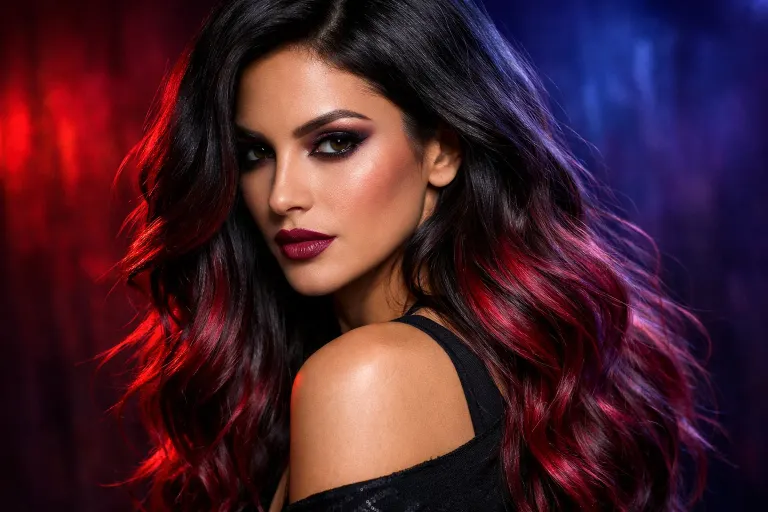
Burgundy balayage introduces a rich, jewel-toned depth that works in harmony with dark bases rather than against them. Deep berry and wine tones are swept through the lengths, creating a dimensional finish that feels bold without crossing into high-maintenance territory. This look grows out gracefully and maintains a seamless blend for several months. Women with dark skin tones or warm complexions tend to find burgundy balayage particularly striking.
11 Golden Honey Balayage with Money Piece
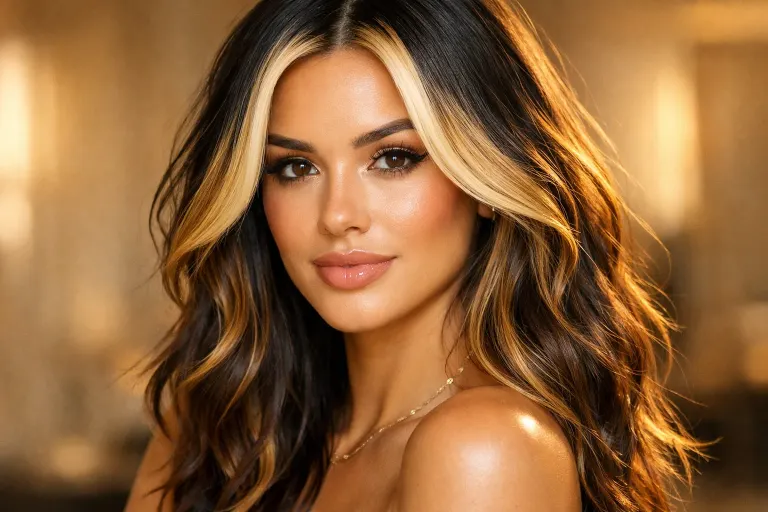
Adding a money piece, which refers to face-framing highlights concentrated at the front sections of the hair, to a golden honey balayage creates instant brightness and visual lift. The contrast between the lighter front pieces and the dark base draws immediate attention to the face. This combination is one of the most popular requests in salons today because it offers a high-impact result without requiring color to be applied all over the head.
12 Cinnamon Brown Balayage
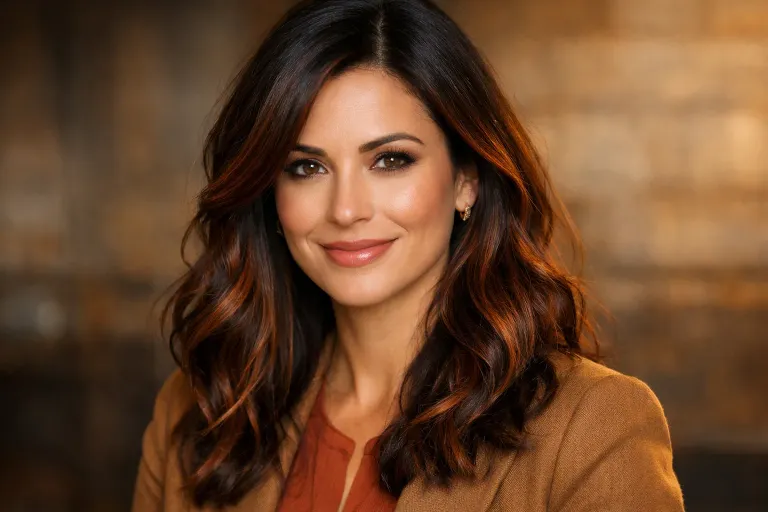
Cinnamon balayage brings a warm, spiced richness to dark brunette hair that feels both sophisticated and seasonal. Soft cinnamon and reddish-brown highlights are woven through the natural base, creating a warmth that is especially radiant in autumn but equally beautiful year-round. The tones enhance copper and golden undertones in the skin, making this one of the most complexion-friendly options in the balayage spectrum.
How to Choose the Right Balayage Shade for Dark Hair
Selecting the right balayage shade comes down to three key factors: your natural base color, your skin undertone, and the level of maintenance you are comfortable with. As a general rule, warm skin tones are well-served by caramel, honey, copper, and cinnamon shades. Cool skin tones are better matched with ash brown, chocolate, or mocha tones. If your priority is low maintenance, tone-on-tone approaches like espresso, chocolate, or ash brown balayage will grow out beautifully with minimal upkeep. If you want something dramatic and eye-catching, rose gold and burgundy are excellent choices that still benefit from the soft, blended nature of the balayage technique.
It is always worth consulting a professional colorist before your appointment. A trained stylist will assess your natural hair color, its condition, and your skin tone to recommend the shade and placement that will serve you best.
Caring for Balayage Hair Color on Dark Hair
Maintaining balayage hair color for dark hair requires a thoughtful haircare routine. Using a color-safe shampoo and conditioner is essential for preserving tone and vibrancy between appointments. Deep conditioning treatments once a week help keep the colored sections hydrated and healthy, since any lightening process can affect moisture levels. A heat protectant should always be applied before using hot styling tools, and regular trims help prevent split ends from traveling up the hair shaft. For cool-toned balayage looks, incorporating a purple or blue shampoo once or twice a week will keep unwanted warmth at bay.
Conclusion
Balayage hair color for dark hair is one of the most versatile and flattering color techniques available today. Whether you lean toward the warmth of caramel and copper or the cool refinement of ash brown and mocha, there is a balayage style designed to complement your natural base and bring out the best in your complexion. The technique’s greatest strength is its ability to look effortlessly natural while delivering a genuine transformation, one that grows out gracefully and invites you to enjoy beautiful hair without the burden of constant upkeep. If you have been on the fence about adding color to your dark hair, balayage is the most intelligent, low-risk place to start.
Frequently Asked Questions
Can balayage be done on very dark or black hair? Yes. Balayage works on all dark hair shades, including jet black. Very dark hair may require a pre-lightening step to achieve significant contrast, but a skilled colorist can create beautiful, seamless results regardless of your starting shade.
How long does balayage hair color last on dark hair? Balayage generally lasts between 10 to 16 weeks before a touch-up is needed, and in some cases even longer. Because the color is concentrated on the mid-lengths and ends rather than the roots, the grow-out is gradual and natural-looking, reducing the urgency of frequent salon visits.
Is balayage damaging to dark hair? Some degree of lightening is typically required for balayage on dark hair, which can affect hair health if not managed properly. Using bond-strengthening treatments during the color process and following a nourishing at-home haircare routine significantly minimizes any potential damage.
What is the difference between balayage and ombre for dark hair? Balayage is a freehand painting technique that creates a soft, multidimensional blend of color throughout the hair. Ombre is a more structured gradient that transitions sharply from dark roots to lighter ends. Balayage tends to look more natural and subtle, while ombre creates a more defined, high-contrast effect.
How often should I go to the salon to maintain balayage on dark hair? Most women with balayage on dark hair visit the salon every three to four months for a refresh or gloss treatment. Because the technique is designed to grow out gracefully, there is far less pressure to maintain a strict schedule compared to traditional highlights or all-over color.