
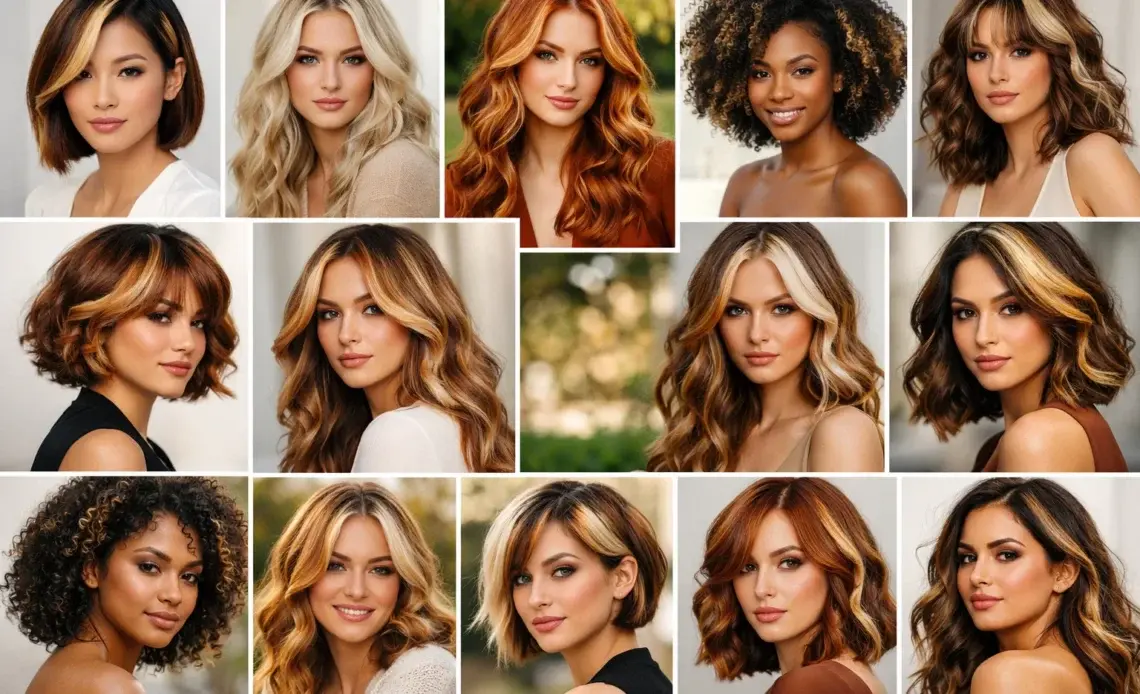
There are hair color trends that come and go with little fanfare, and then there are the ones that stop people in their tracks. Calico hair color belongs firmly in the second category. Inspired by the coat patterns of calico cats, this stunning hair technique blends warm and cool tones together in a way that looks effortlessly natural, deeply dimensional, and undeniably eye-catching. Whether you are stepping into autumn or refreshing your look for summer, calico hair color offers the kind of versatility that suits nearly every lifestyle and personality.
This guide walks you through 13 standout ideas, breaks down what makes calico hair color unique, and gives you all the knowledge you need to walk into a salon with full confidence.
1. What Is Calico Hair Color and How Did It Start
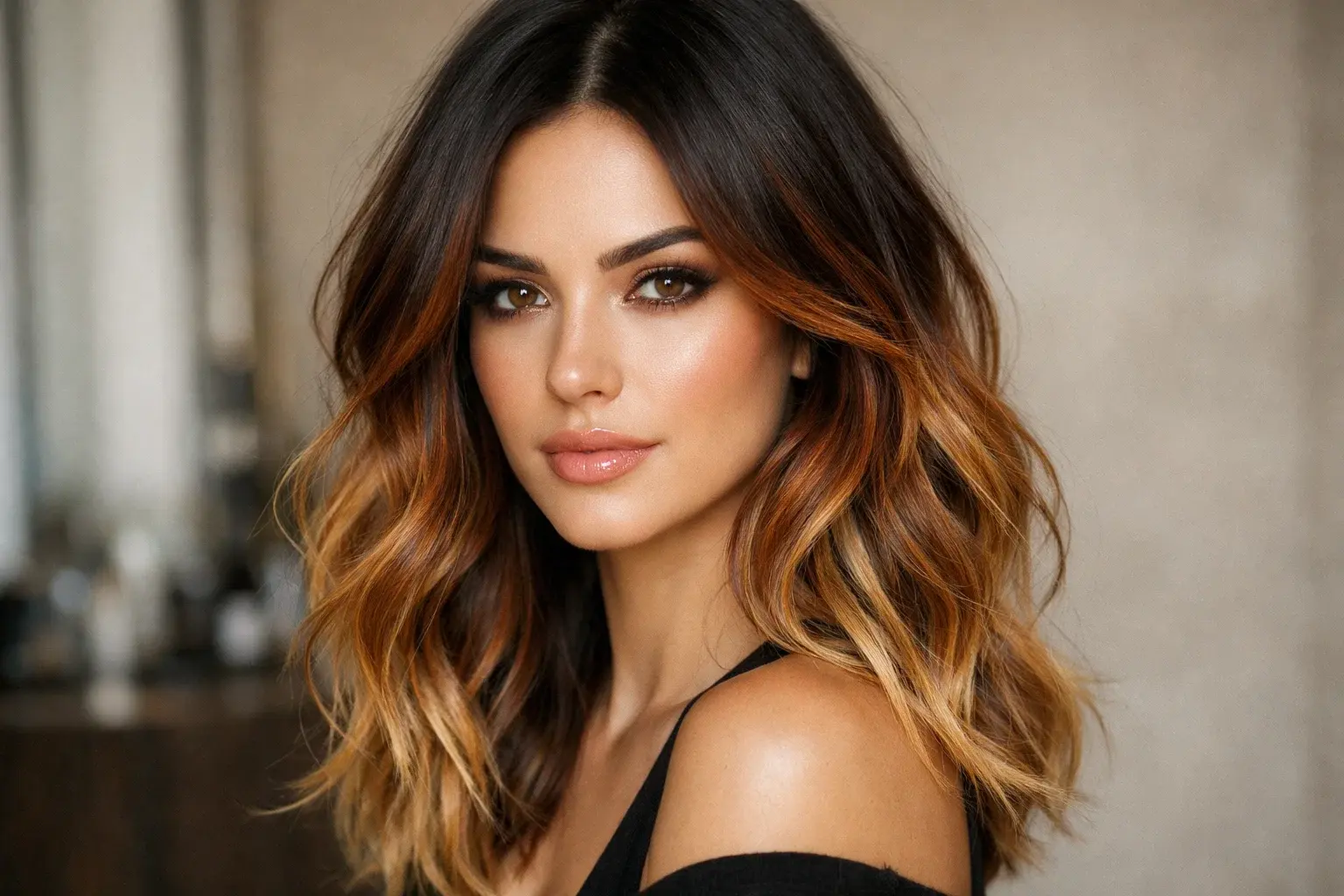
Calico hair color draws its name from calico cats, whose coats display a patchwork of white, orange, and black or dark brown. Translated into hair, this becomes a blend of blonde, copper, auburn, and deep brunette tones woven together in a way that mimics the natural variation found in sun-kissed or naturally multicolored hair. Unlike a solid dye job or even a standard balayage, calico hair uses multiple color families at once, creating a lived-in, organic finish that feels intentional but never overdone.
The trend gained traction on social media platforms where before-and-after transformation videos showcased the dramatic yet wearable nature of the look. Colorists began developing their own interpretations, and soon calico hair was showing up in salons across multiple countries as one of the most requested multi-tonal styles of the year.
2. Calico vs Tortoiseshell Hair Color: Understanding the Difference
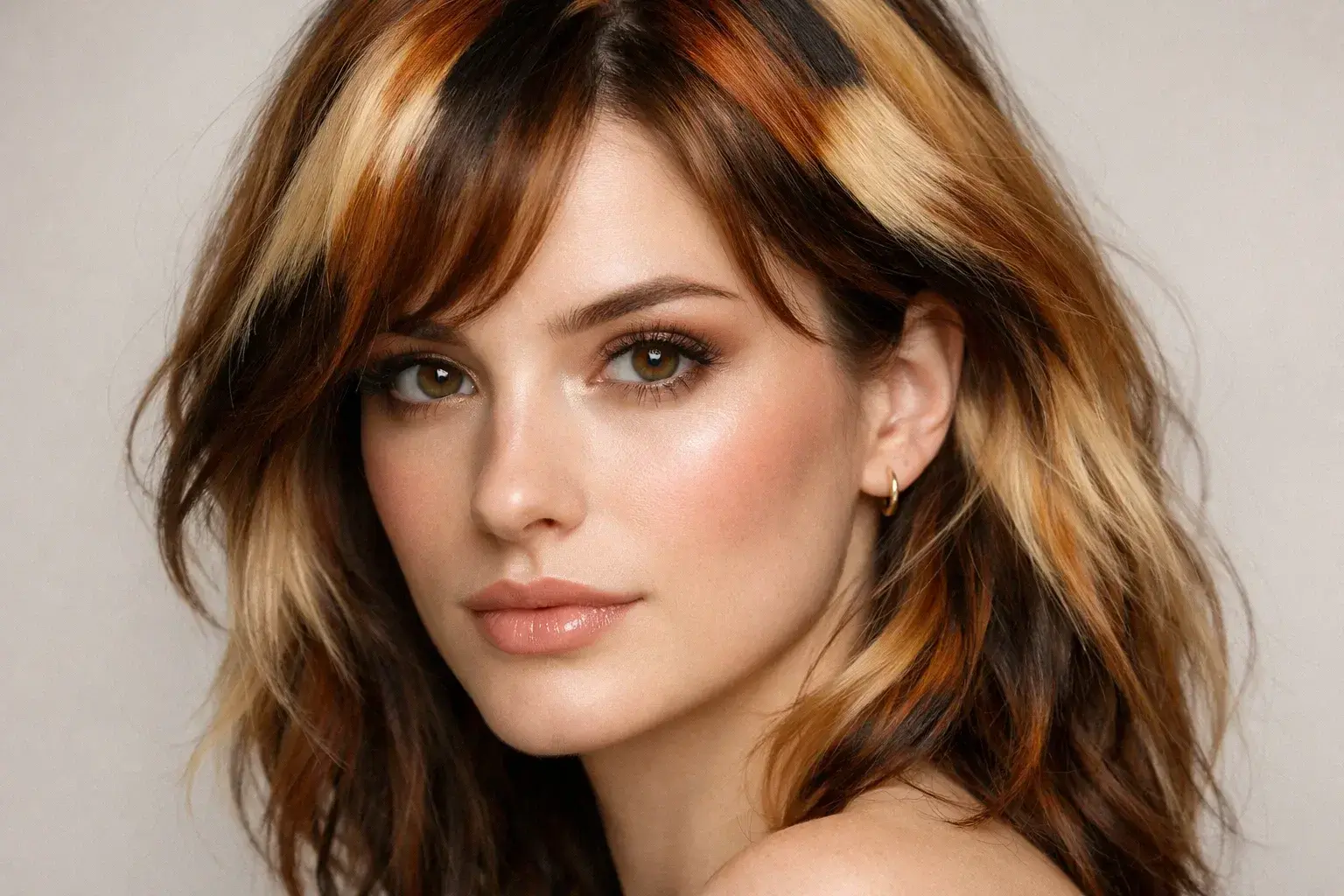
Many people confuse calico hair with tortoiseshell hair, and the distinction is worth understanding before you book your appointment. Tortoiseshell hair typically features a rich blend of dark brown, deep auburn, and hints of warm gold, staying within a relatively tight color family. Calico hair, on the other hand, incorporates lighter shades like cream, platinum blonde, or warm honey alongside those deeper tones, creating more visible contrast and a broader tonal range. The result feels airier and more patchwork-like than tortoiseshell, which tends to read as richer and moodier.
3. The Core Shades That Define a Calico Palette
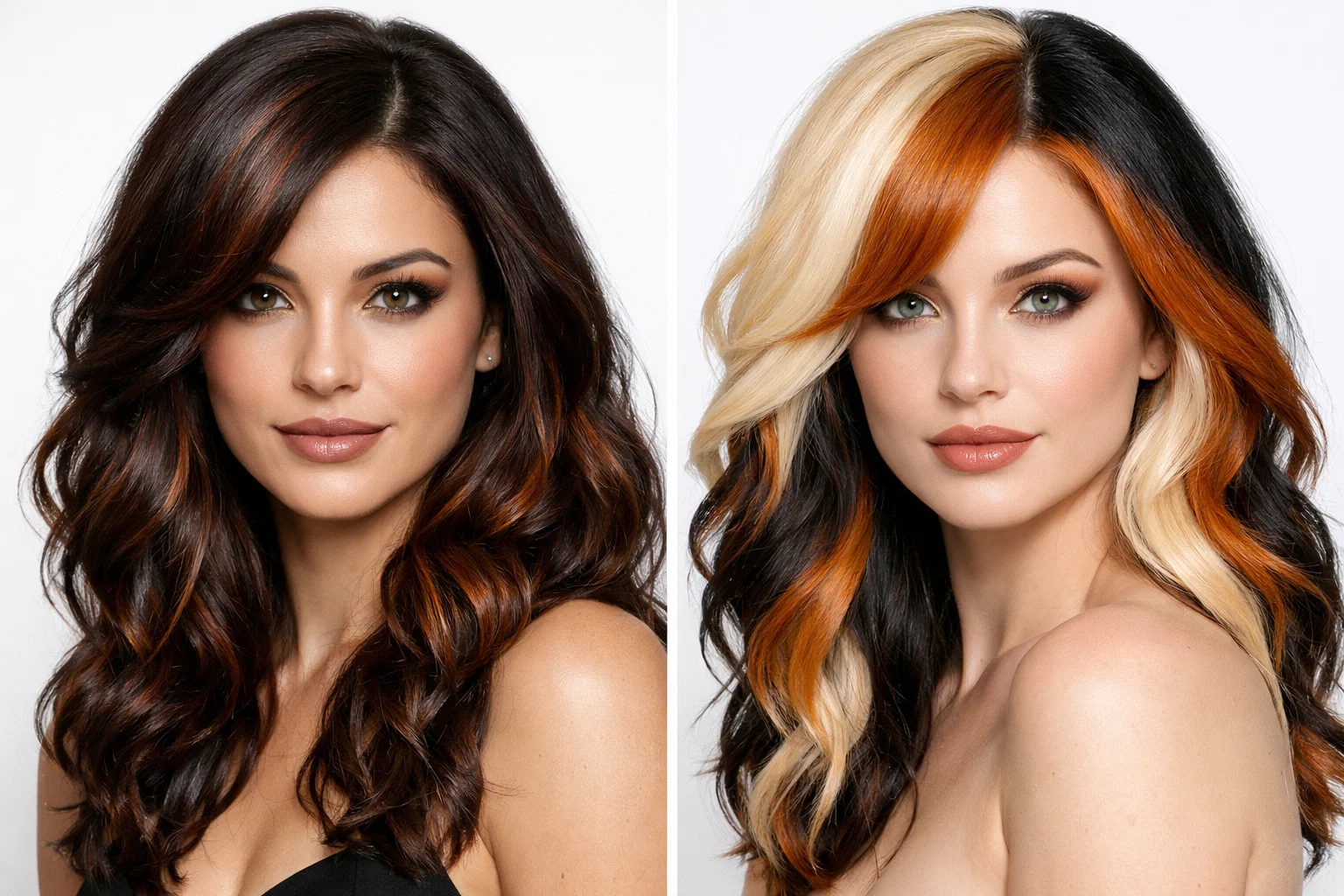
A true calico hair look is built on at least three distinct tones working in harmony. The foundational shades most colorists rely on are a deep brunette or espresso base, a warm copper or auburn mid-tone, and a lighter blonde or honey highlight. These three form the base of the palette. From there, colorists may add cool ash blonde sections for contrast, strawberry blonde for warmth, or even subtle chestnut undertones to help the colors blend more seamlessly at the roots and through the mid-lengths.
4. Idea One: Classic Warm Calico with Copper and Honey
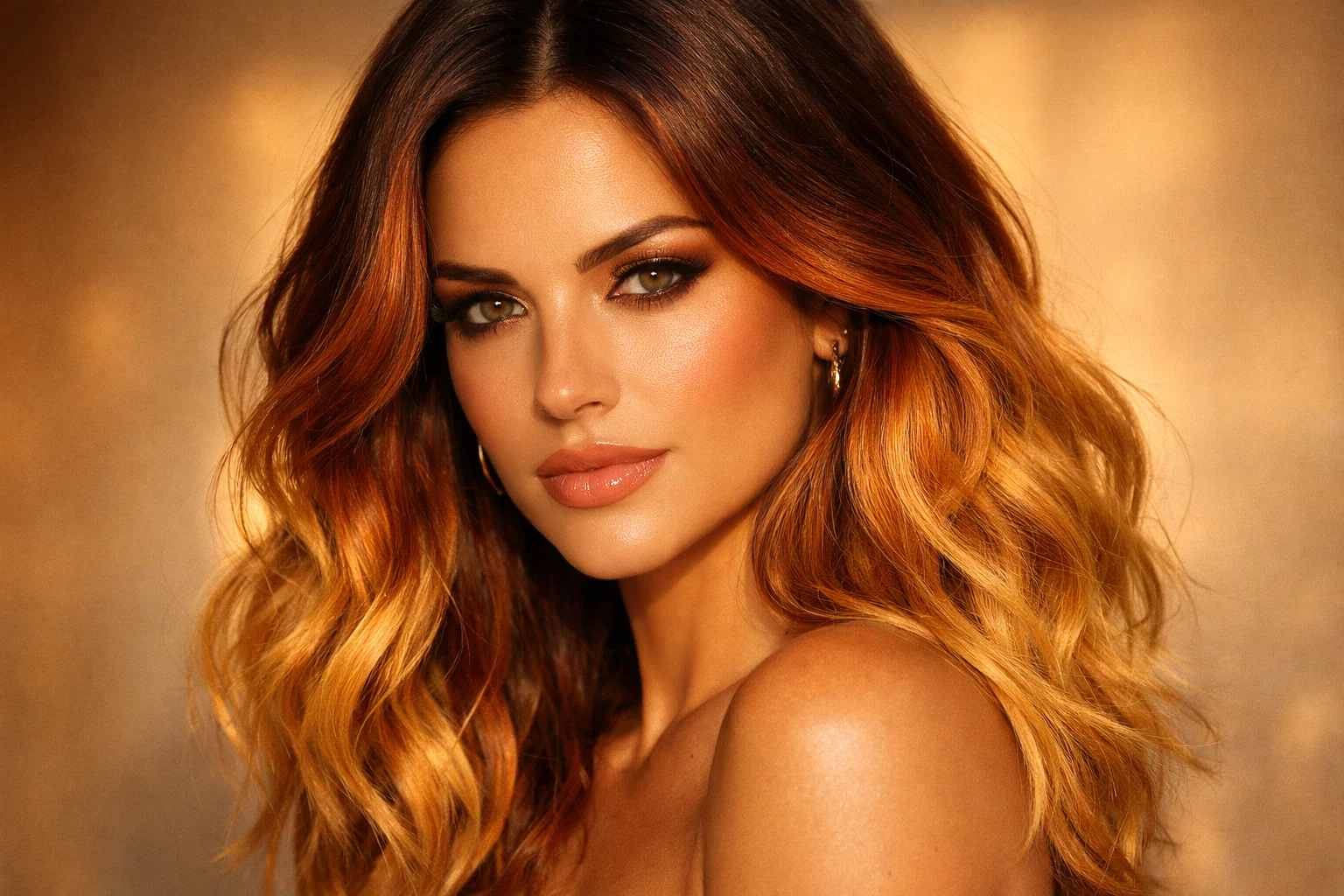
The classic warm calico combines deep brown roots with copper mid-lengths and honey blonde ends. This variation suits almost every skin tone and works beautifully on medium to dark natural hair. The warmth of the copper gives the look an autumnal richness that feels timely and sophisticated. Styling with loose waves or a textured blowout enhances the color interplay and gives each shade room to catch the light.
5. Idea Two: Cool-Toned Calico for a Modern Edge
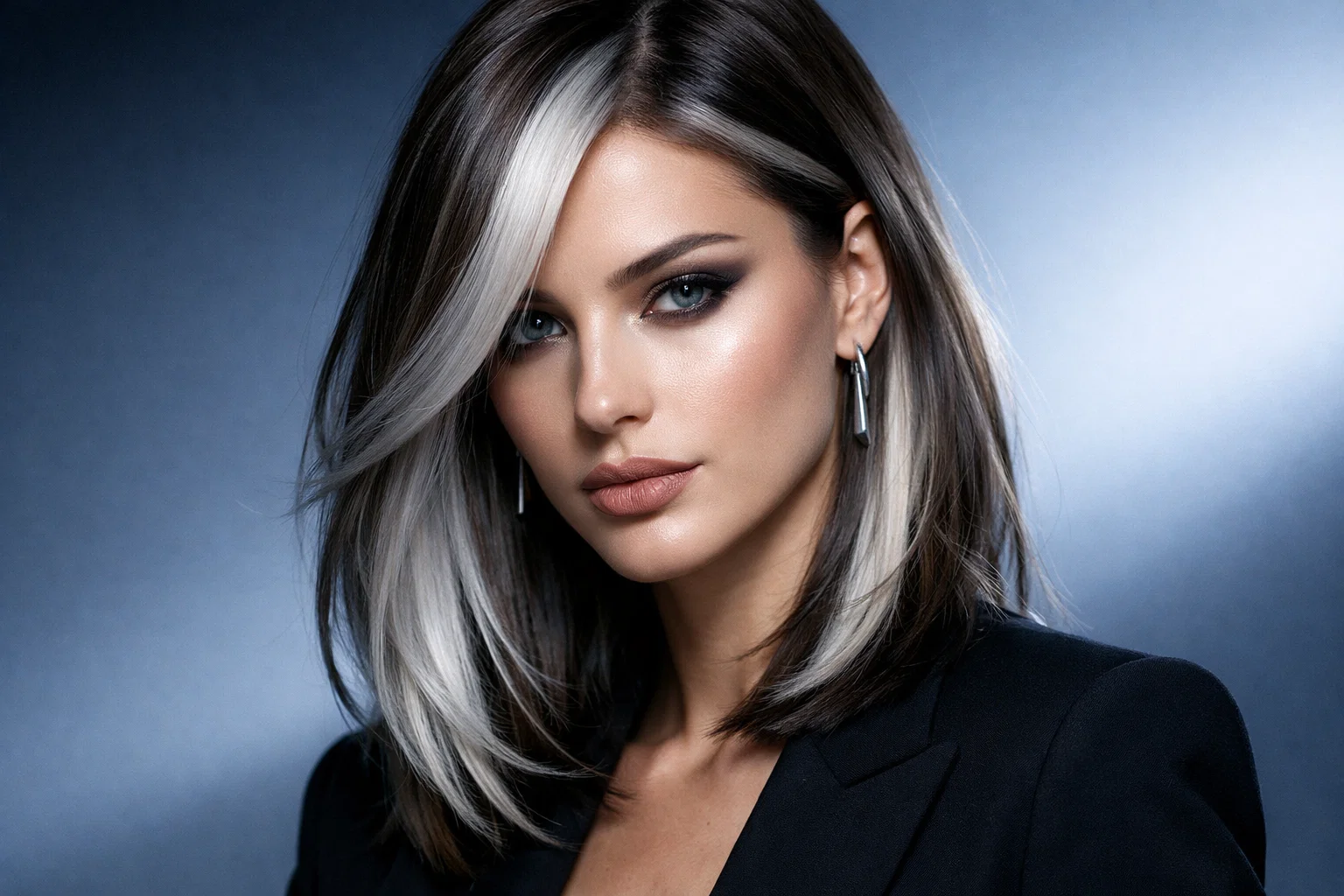
Not every interpretation of calico has to lean warm. A cool-toned version swaps the copper for ash brown and replaces honey with platinum or pearl blonde. Sections of cool chocolate brown anchor the look while silver-kissed highlights add a contemporary edge. This version works especially well on fair skin with pink or cool undertones, offering a chic, editorial result that photographs beautifully.
6. Idea Three: Autumn Calico with Deep Auburn and Gold
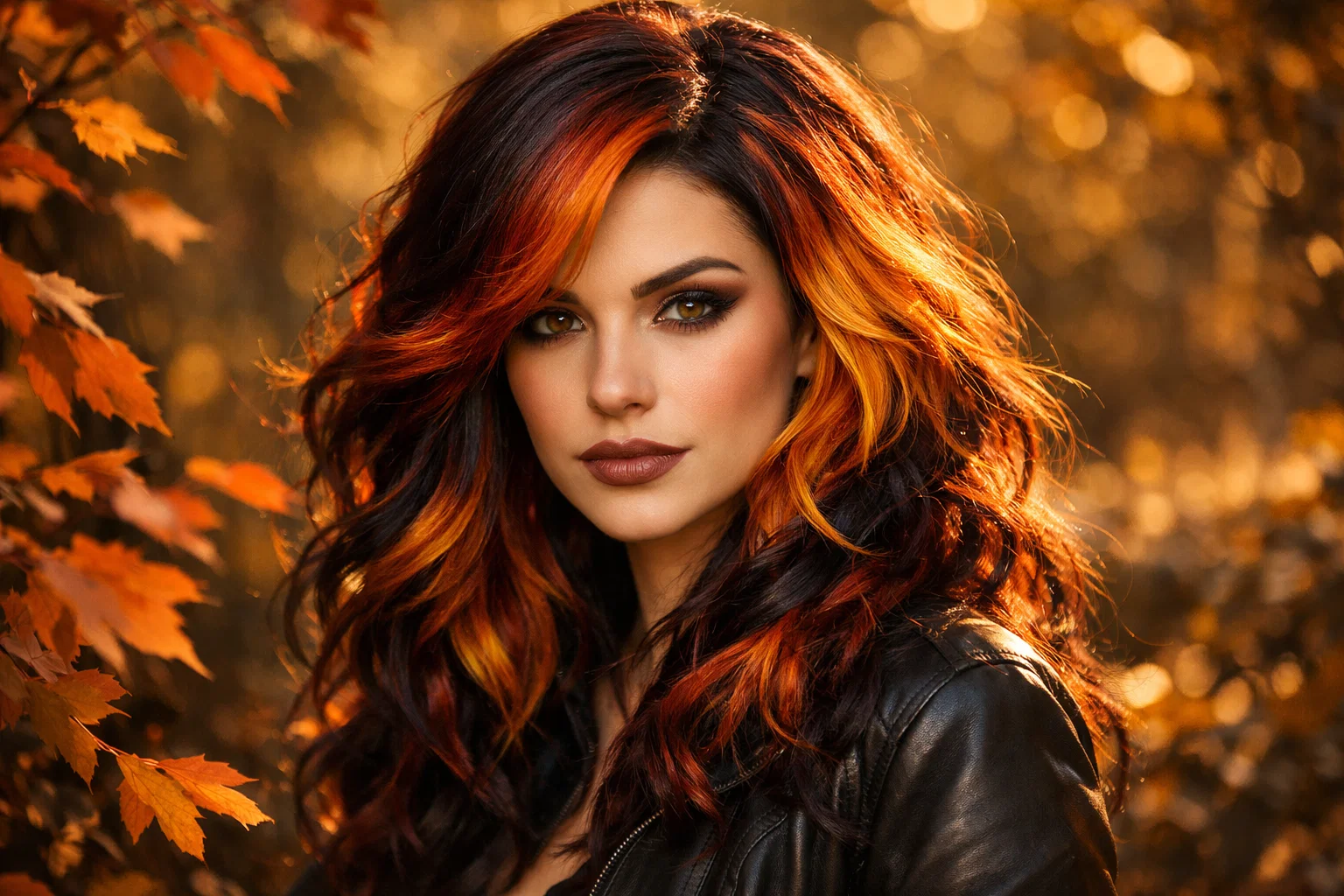
For those who want to fully embrace the fall season, an autumn calico palette brings together deep auburn, burnt orange, and rich gold tones over a dark espresso base. The result is reminiscent of autumn leaves catching afternoon light. This version tends to photograph with extraordinary warmth and suits medium to deep skin tones particularly well. It is also one of the more dramatic interpretations, making it ideal for someone ready to make a bold statement.
7. Idea Four: Soft Calico Balayage for a Natural Finish
The balayage technique is a natural fit for calico hair because of how it paints color in sweeping, freehand strokes that mimic natural sun exposure. A soft calico balayage blends caramel, light copper, and warm blonde through the mid-lengths and ends while keeping roots deep and shadowy. The growth pattern looks intentional, meaning touch-ups are less frequent and the style maintains its beauty even as it evolves. This is the most low-maintenance version of the calico look.
8. Color Melt Calico for Seamless Blending
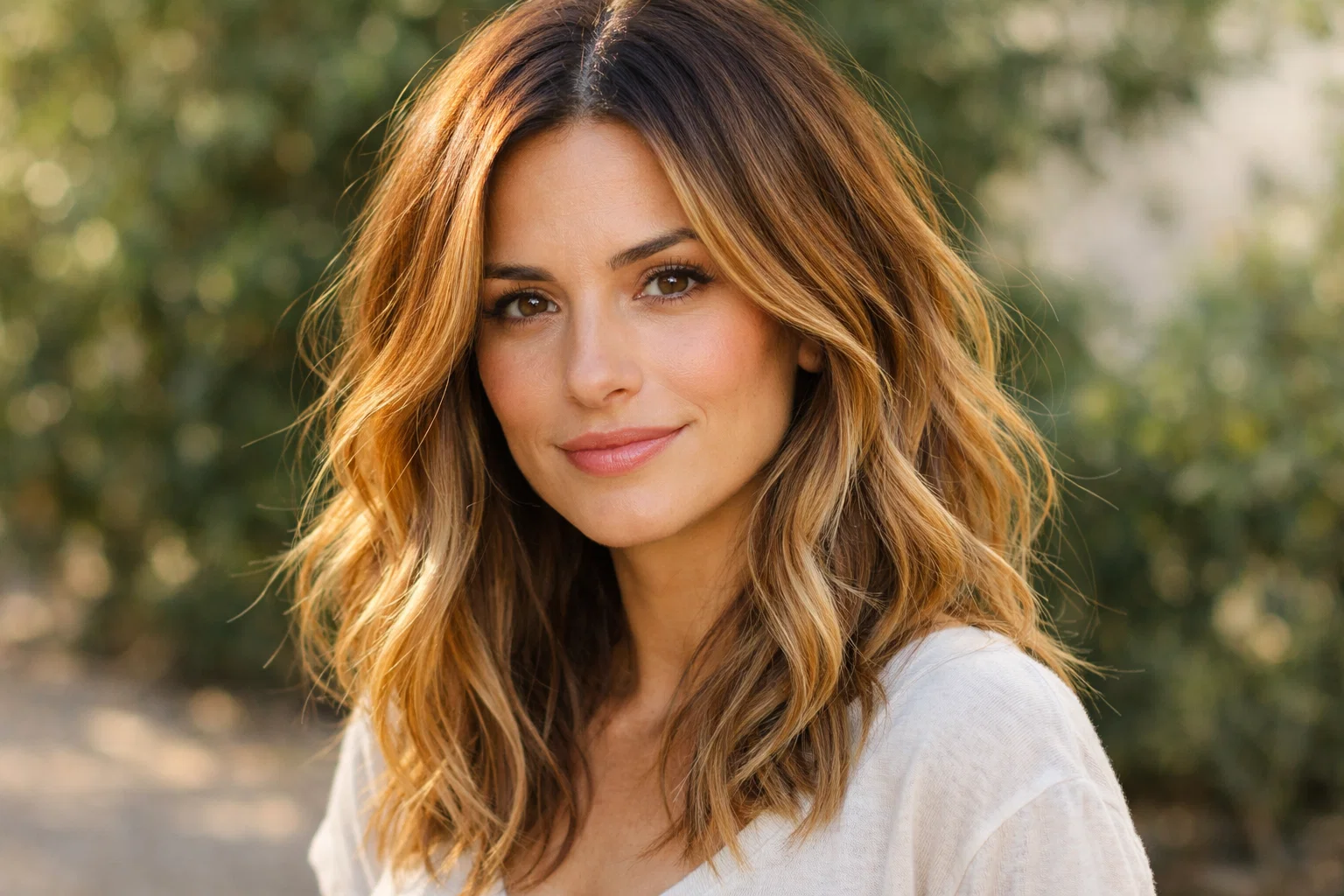
Where traditional calico embraces visible patchwork contrast, a color melt version softens that contrast by blending each shade seamlessly into the next. The transition from dark root through copper to golden blonde happens gradually, with no visible line of demarcation. This technique is particularly effective on longer hair, where the melt has enough length to develop fully. The result feels fluid and luxurious rather than graphic or bold.
9. Face-Framing Calico Highlights
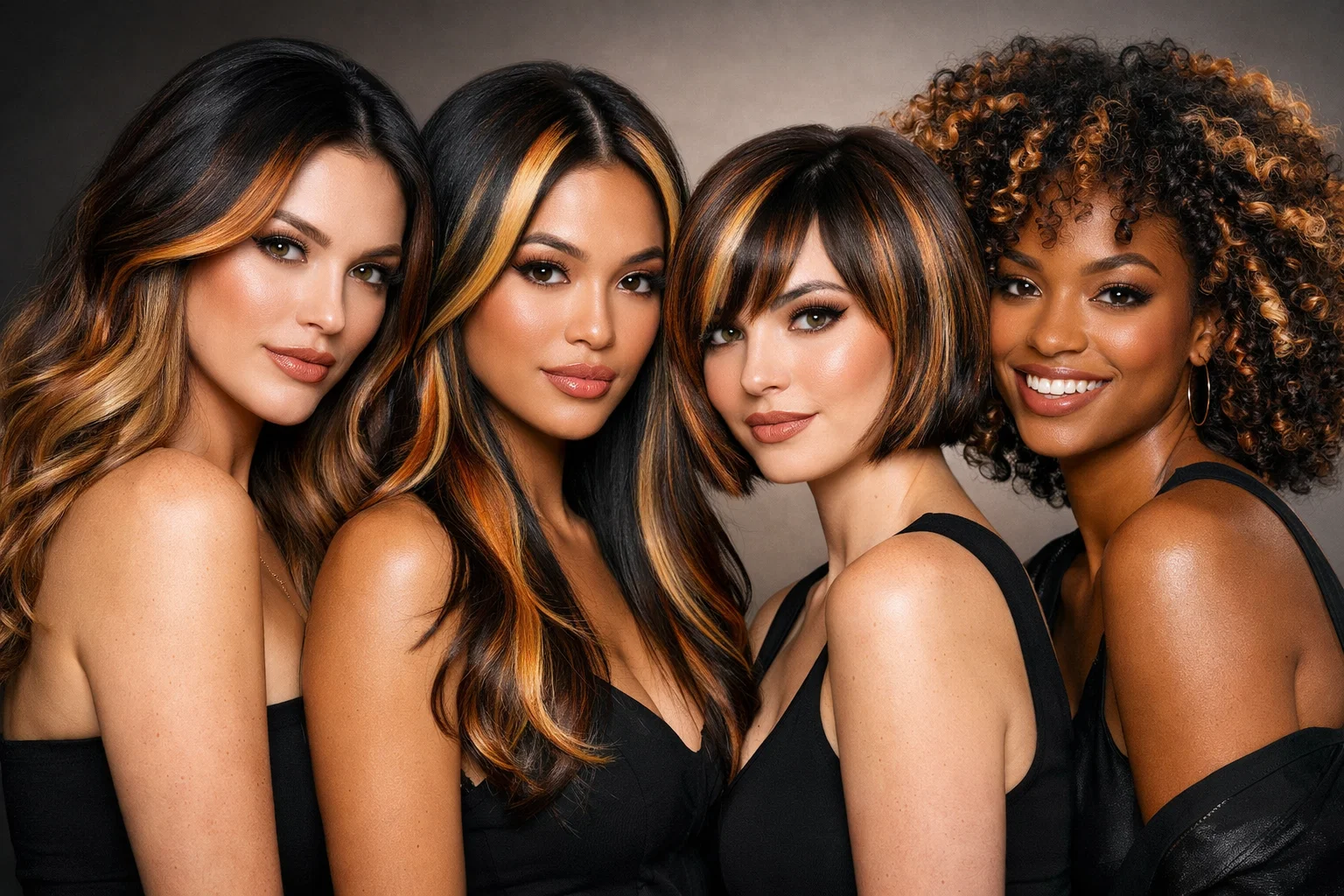
One of the subtler interpretations of the calico trend involves placing lighter tones strategically around the face. Honey blonde, light copper, or soft caramel pieces framing the face create a brightening effect that draws attention to the eyes and cheekbones. This is a lower-commitment version of calico that works well as an introduction to the trend or as a complement to a more neutral base color throughout the rest of the hair.
10. Calico Color on Short Hair
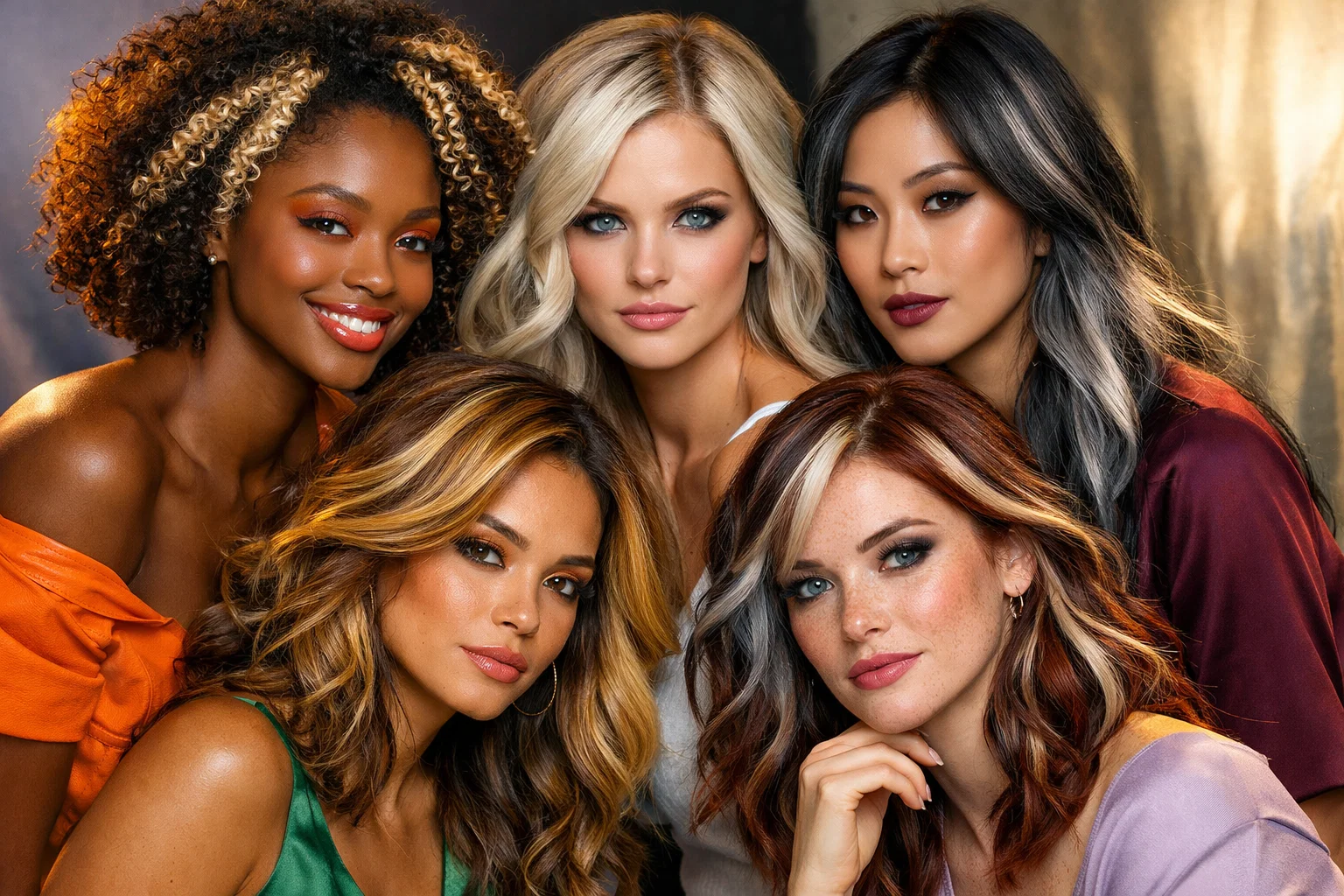
Calico is not a trend reserved for long lengths. On pixie cuts, bobs, and lobs, the multiple tones create texture and visual movement that makes shorter styles feel richer and more dynamic. The key with short hair is working with a colorist who knows how to distribute the shades so that each tone remains visible and contributes to the overall composition despite the smaller canvas.
11. Calico Color on Curly and Coily Textures
Curly and coily hair textures are exceptional showcases for calico color. Each individual curl catches and reflects light differently, meaning the distinct tones within a calico palette reveal themselves at different angles and moments of movement. The result is a richly layered visual effect that appears almost three-dimensional. Deep-conditioning treatments are especially important for maintaining the health of curly hair after a multi-tonal color process.
12. Seasonal Calico Variations Across the Year
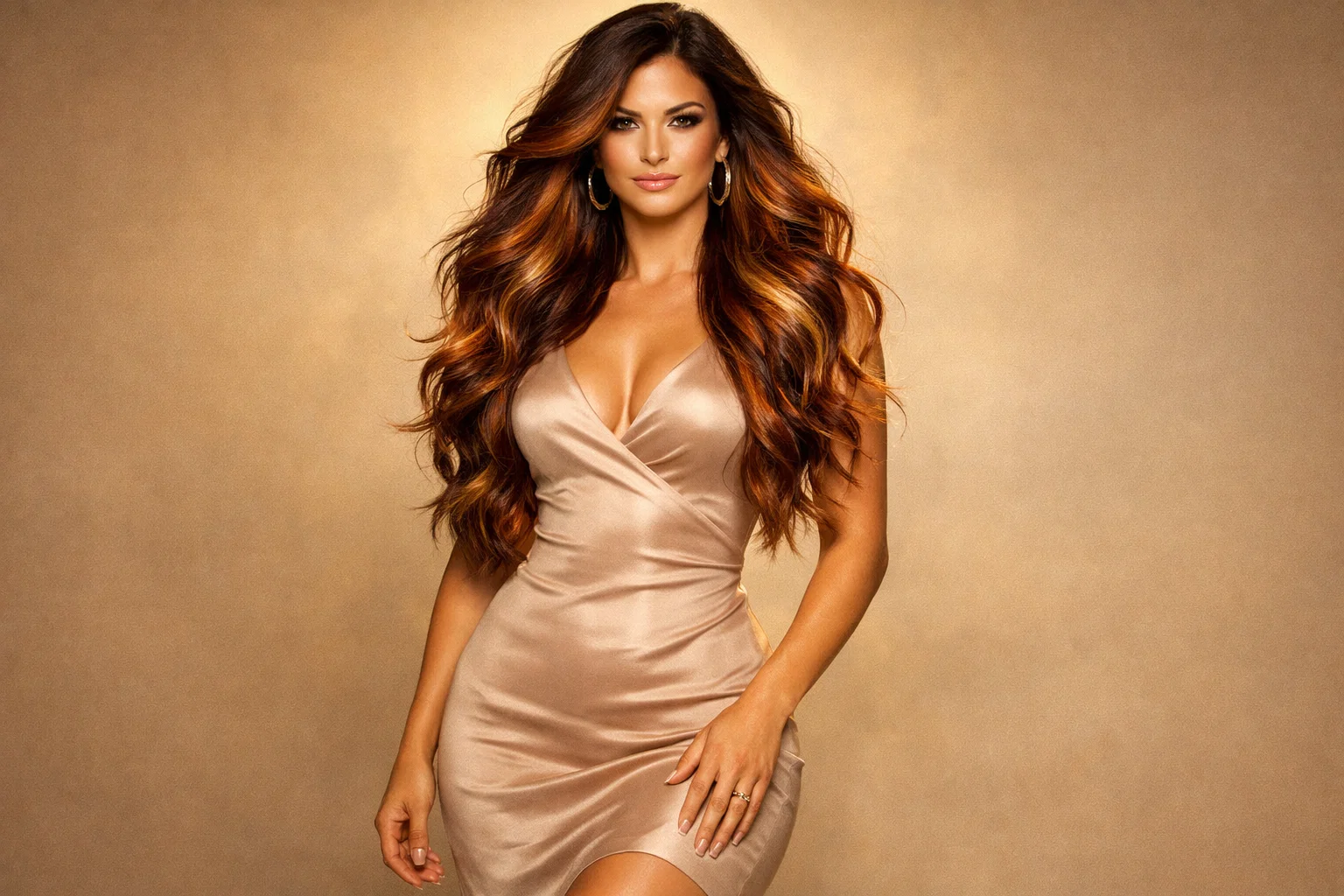
Calico color is versatile enough to shift with the seasons. Summer versions incorporate brighter, sun-bleached blonde pieces for a beachy, fresh feel. Winter interpretations lean into smoky browns, cool taupes, and icy highlights for a moodier palette. Spring calico might feature soft rose-tinted copper alongside warm peach blonde for a fresh, optimistic feel. Adapting the palette to the season keeps the look current and gives you a reason to revisit the salon each time the weather changes.
13. Choosing the Right Calico Palette for Your Skin Tone
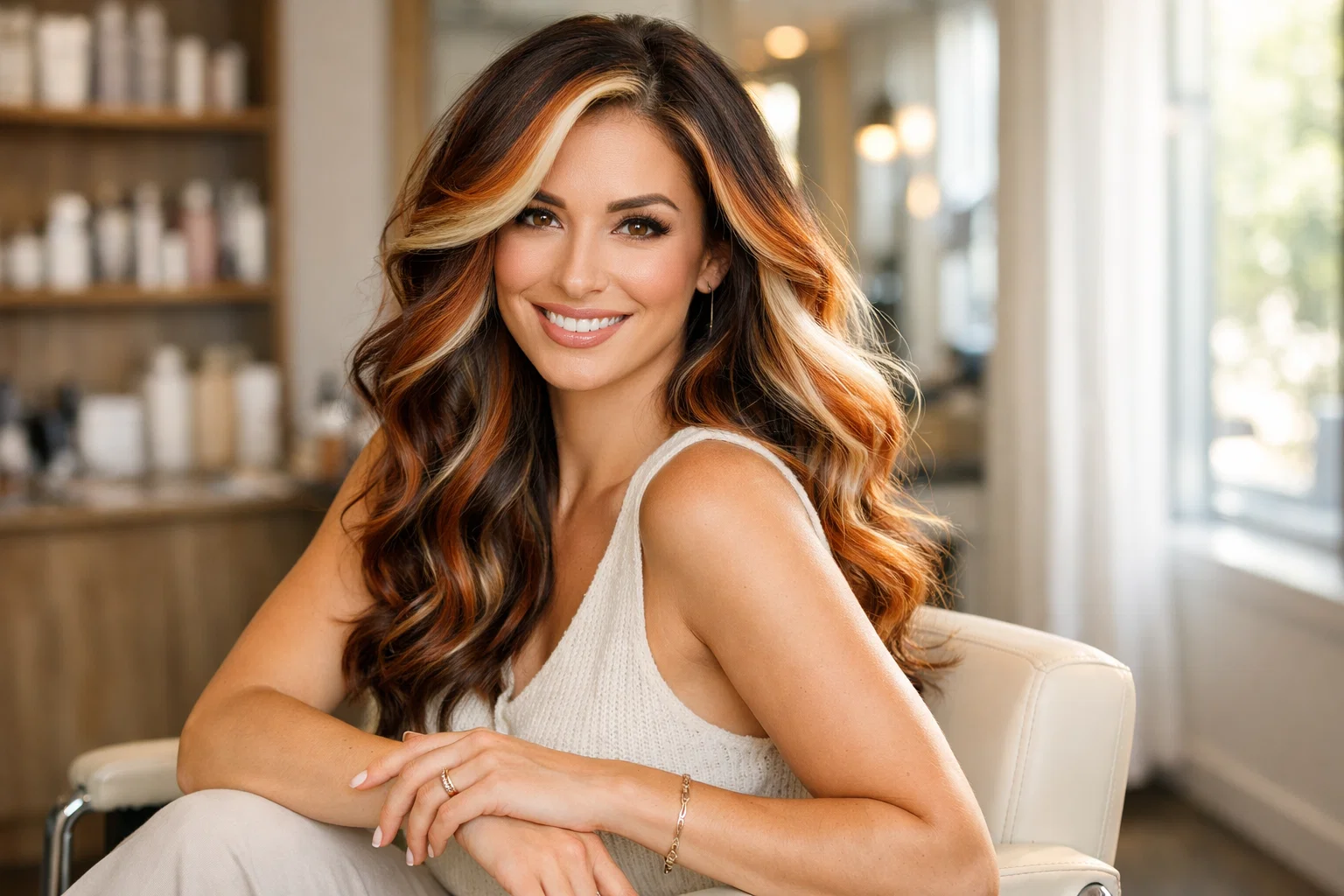
Selecting the right calico palette depends heavily on your skin tone and undertones. Fair skin with cool undertones is flattered by ash browns, cool coppers, and platinum blonde. Medium and olive skin tones shine with warm caramel, deep auburn, and bronze highlights. Deep skin tones pair beautifully with rich cognac, burnt sienna, and deep copper against a near-black base. Always consult with a colorist who can assess your complexion and recommend a custom palette that enhances your natural features rather than working against them.
Maintaining Your Calico Hair Color
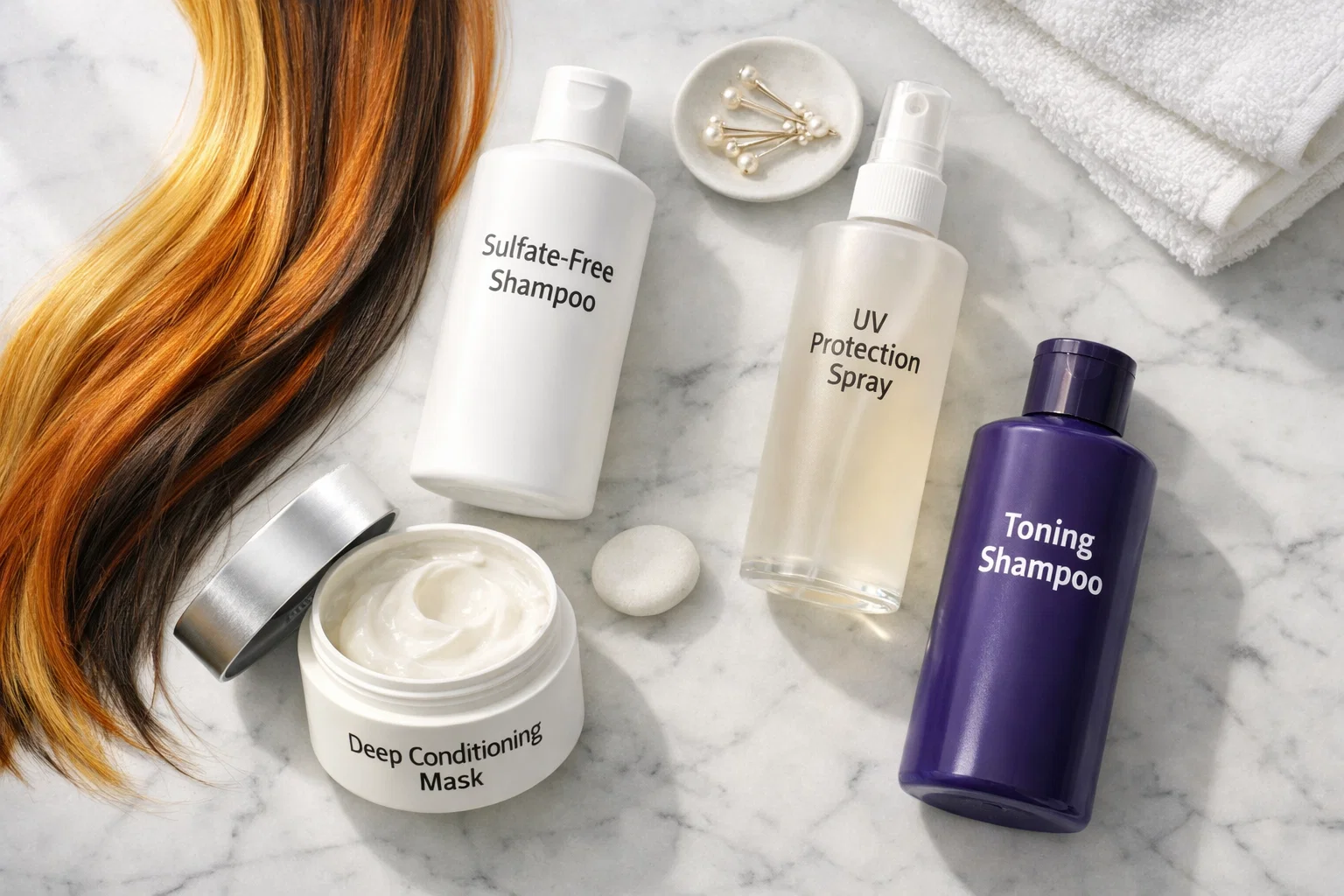
Multi-tonal color requires consistent care to stay vibrant. Use sulfate-free shampoo to protect color from premature fading. Apply a deep conditioning mask once a week to restore moisture, particularly if bleach was used to lift sections. Use a toning shampoo matched to your palette to neutralize brassiness between salon visits. Apply a UV-protective leave-in product before sun exposure, and reduce heat styling where possible to preserve both color and integrity. Most calico looks require a salon refresh every eight to twelve weeks, though balayage versions can extend that window significantly.
Conclusion
Calico hair color has earned its place as one of the most beloved and enduring multi-tonal trends in modern hair styling. Its appeal lies in its adaptability. There is a version of this look for every hair type, skin tone, length, and lifestyle. The thirteen ideas explored in this guide represent just a portion of what is possible when a skilled colorist works with the right palette and technique. The most important step you can take is having an open, detailed conversation with your colorist about your vision, your maintenance preferences, and the condition of your hair. From there, calico color can become one of the most rewarding transformations you ever choose to make.
Frequently Asked Questions
1: What exactly is calico hair color?
Calico hair color is a multi-tonal coloring technique inspired by calico cat coats. It blends three or more shades including deep brown, warm copper, and light blonde to create a dimensional, patchwork-like effect that looks naturally variegated and richly layered.
2: Is calico hair color high maintenance?
It depends on the technique used. A full multi-tonal application requires touch-ups every eight to twelve weeks. A soft balayage version of calico is significantly lower maintenance because the shadow root grow-out looks intentional and the color fades gracefully without hard lines.
3: Can calico hair color work on dark natural hair?
Yes. Calico hair color works very well on dark natural hair. A colorist will typically lift select sections before applying the warmer tones. The dark base actually enhances the contrast of the calico shades, making the overall look more dramatic and visually striking.
4: How do I keep calico hair color looking vibrant?
Use sulfate-free shampoo, apply a weekly deep conditioning mask, use a toning shampoo suited to your palette, protect hair from UV rays with a leave-in spray, and minimize heat styling. These steps together will extend the life and vibrancy of your color significantly.
5: Which skin tones suit calico hair color best?
Calico hair color suits all skn tones when the palette is tailored appropriately. Cool palettes with ash and platinum suit fair complexions, warm palettes with copper and caramel complement olive and medium skin, and rich cognac and auburn tones look stunning on deep skin tones.