
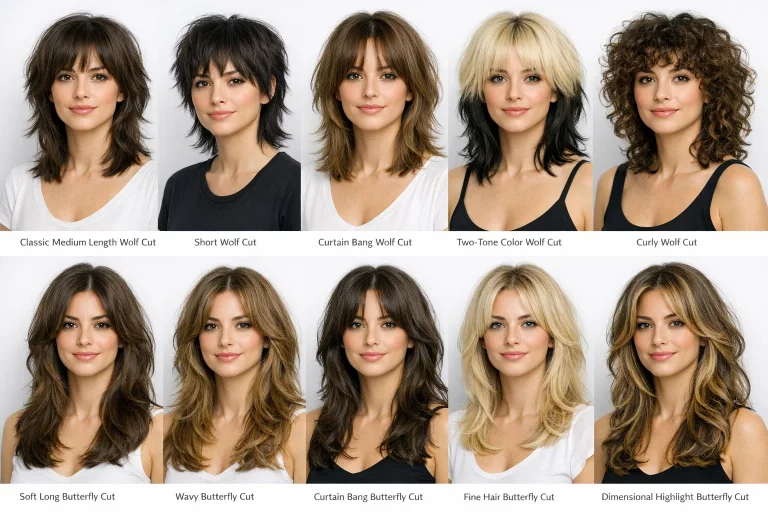
Two hairstyles have dominated salon conversations and social media feeds more than any other over the past few years, and in 2026 they continue to hold their ground with remarkable staying power. The wolf cut and the butterfly cut are both layered, both bold in their own way, and both capable of transforming your appearance in a single salon visit. Yet despite their surface similarities, these two cuts speak entirely different visual languages. One leans into raw texture and deliberate wildness. The other reaches toward softness, elegance, and the kind of volume that makes heads turn for entirely different reasons. If you have been trying to decide between these two iconic styles, or simply want to understand what makes each of them so compelling, this article breaks down ten of the best ideas within the wolf cut versus butterfly cut conversation so you can walk into your next appointment with complete confidence.
Understanding the Core Difference Between Wolf Cut and Butterfly Cut
Before exploring specific ideas and variations, it is worth understanding what fundamentally separates these two styles. The wolf cut is a hybrid of the classic shag and the mullet. It features shorter, choppy, disconnected layers concentrated at the crown, with longer wispier sections falling toward the back. The overall effect is intentionally undone, textured, and edgy. It carries a rock and roll energy that owes a clear debt to 1970s music culture while feeling entirely modern.
The butterfly cut, by contrast, was practically designed to be its softer counterpart. It gets its name from the way shorter face-framing layers fold back and lift when styled, resembling the open wings of a butterfly. The longer layers underneath cascade smoothly downward, creating volume and movement without any of the aggressive texture that defines the wolf cut. Where the wolf cut is rebellious, the butterfly cut is romantic. Where the wolf cut thrives on imperfection, the butterfly cut pursues a polished, flowing elegance.
10 Best Ideas for Wolf Cut vs Butterfly Cut Hairstyles
1. The Classic Wolf Cut on Medium Length Hair
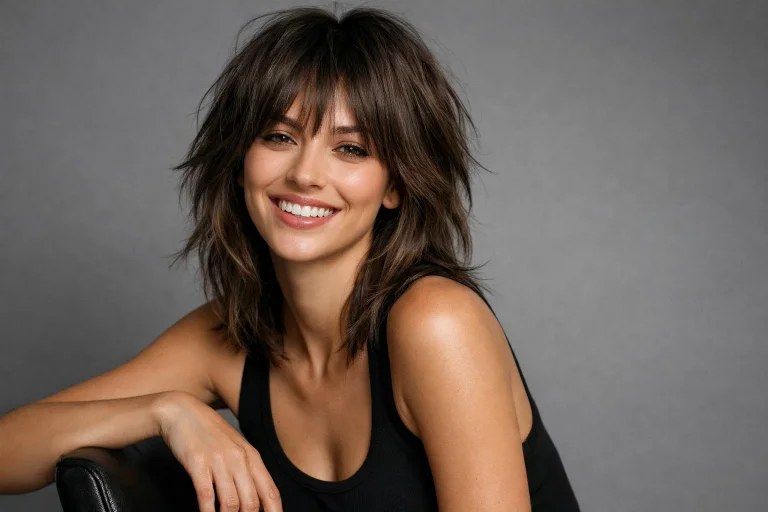
The most widely requested version of the wolf cut sits at medium length, roughly collarbone to shoulder level, with heavy layers throughout the crown and face-framing pieces that fall forward with a choppy, lived-in texture. This is the version that launched the style into mainstream popularity and continues to be the most universally flattering interpretation across different hair types.
2. The Soft Butterfly Cut on Long Hair
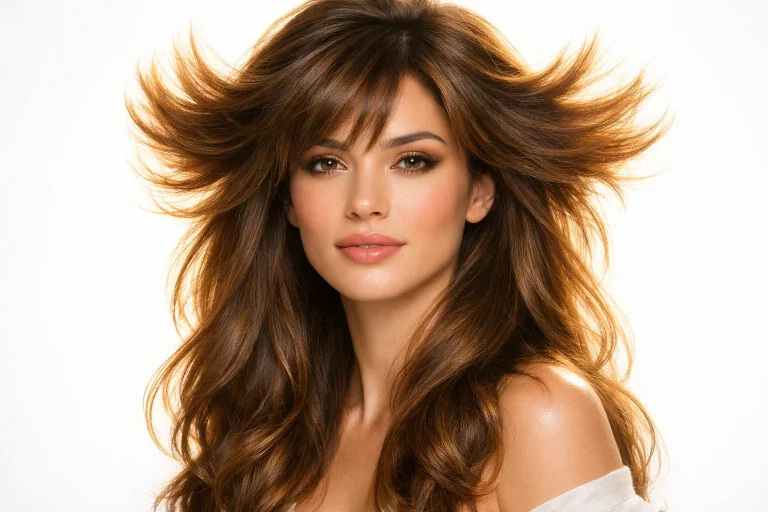
Long hair provides the ideal canvas for the butterfly cut. The shorter crown layers create the signature wing effect when blow-dried outward, while the longer sections underneath maintain full, flowing length. This version channels the kind of voluminous, bouncy elegance associated with classic blowout styling and works beautifully for anyone who wants drama without sacrificing their length.
3. The Wolf Cut With Curtain Bangs
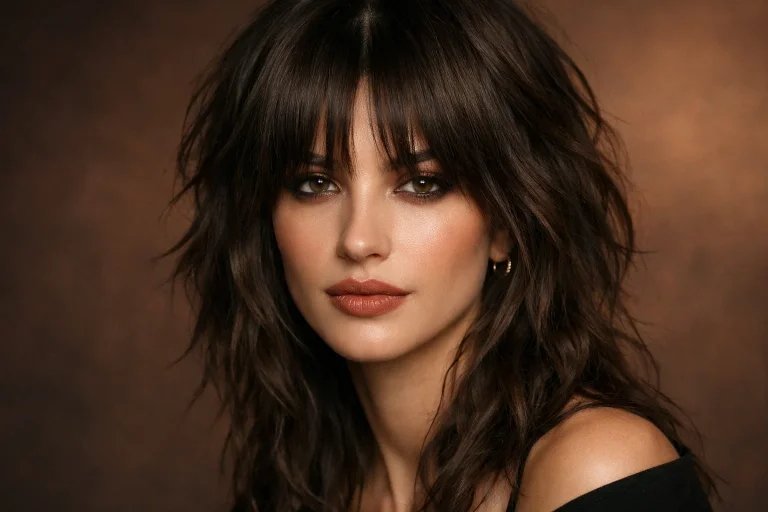
Adding curtain bangs to the wolf cut creates one of the most complete and flattering variations of this style. The center-parted bangs soften the otherwise edgy silhouette while adding a face-framing quality that complements most face shapes. This combination has proven particularly popular on wavy and naturally textured hair, where the bangs blend naturally into the rest of the layered structure.
you may also like this: 20 Wolf Cut Hairstyles for Women 2026 Trend Hair Ideas Pro
4. The Butterfly Cut With Curtain Bangs
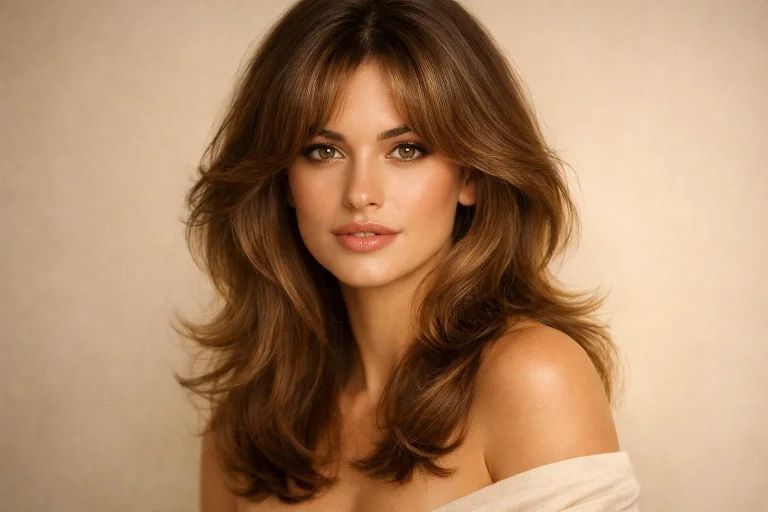
Curtain bangs work equally well on the butterfly cut, though the result feels notably different. On the butterfly cut, curtain bangs add a romantic, almost vintage quality that pairs beautifully with the soft cascading layers beneath. The overall look references 1990s supermodel hair while remaining completely relevant in the current styling landscape.
5. The Short Wolf Cut
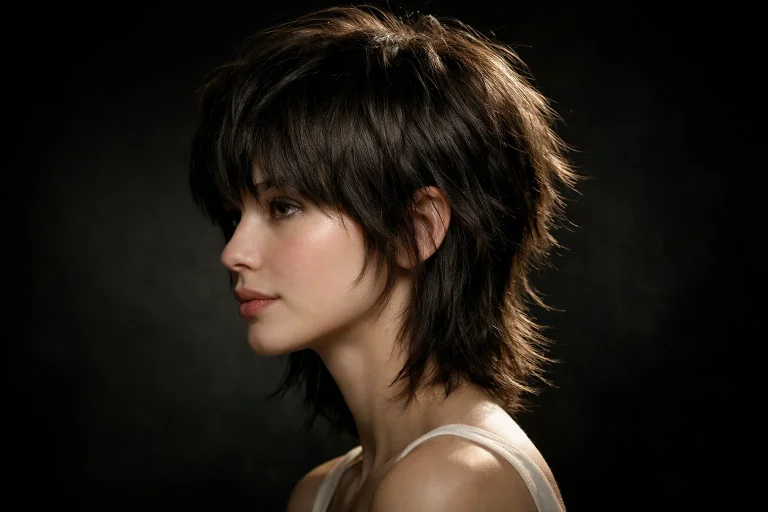
The wolf cut does not require long or medium length hair to make its full impact. A shorter version that sits above the shoulders with heavily layered crown sections and slightly longer nape pieces creates a compact, punchy silhouette that carries all the attitude of the original in a more manageable package. This is one of the boldest options in the wolf cut versus butterfly cut comparison for anyone drawn to shorter styles.
6. The Butterfly Cut on Wavy Hair
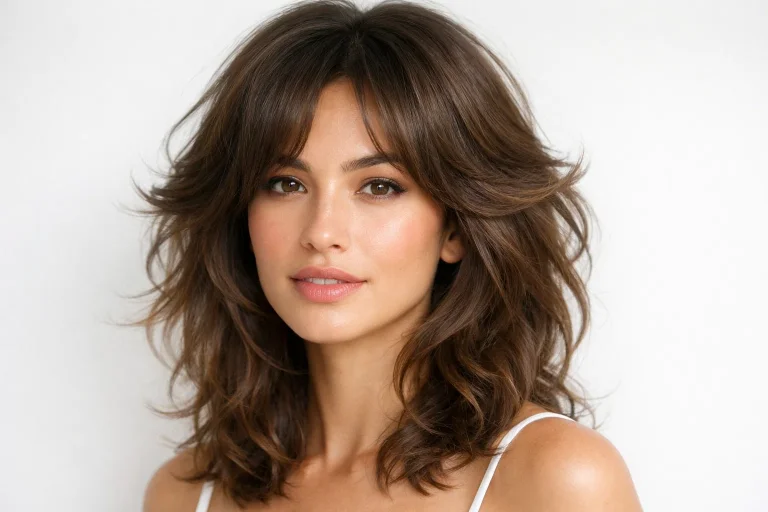
Wavy hair and the butterfly cut are a natural pairing. The natural movement in wavy textures amplifies the wing-like quality of the shorter crown layers, creating a bouncy, dimensional result that looks effortlessly styled even without the use of heat tools. For anyone with naturally wavy hair who wants volume and face-framing movement, this version of the butterfly cut delivers exactly that.
7. The Textured Wolf Cut on Curly Hair
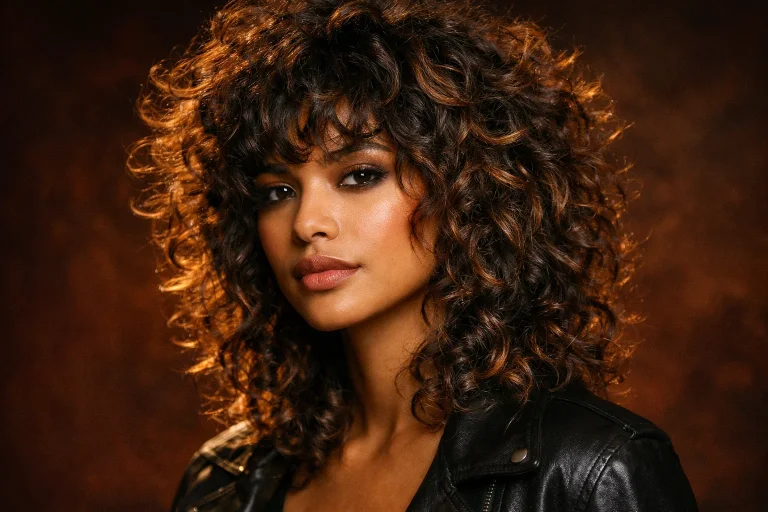
Curly hair carries its own natural volume and texture that makes it a particularly powerful base for the wolf cut. The disconnected layers enhance the curl pattern by removing bulk from strategic sections, allowing the curls to spring more freely. The result is a full, expressive shape with defined layers that celebrates the natural character of the hair rather than fighting against it.
8. The Blended Butterfly Cut for Fine Hair
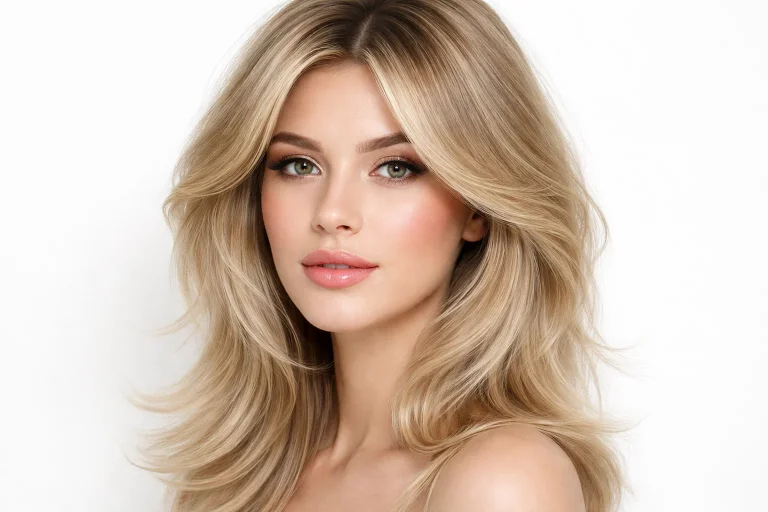
Fine hair benefits enormously from the butterfly cut because the strategic placement of shorter crown layers creates the illusion of density and volume that fine hair naturally lacks. The blended version uses seamless transitions between lengths rather than the stark disconnection seen in the wolf cut, which helps fine hair look fuller and more substantial without the risk of the layers appearing sparse.
9. The Bold Two-Tone Wolf Cut
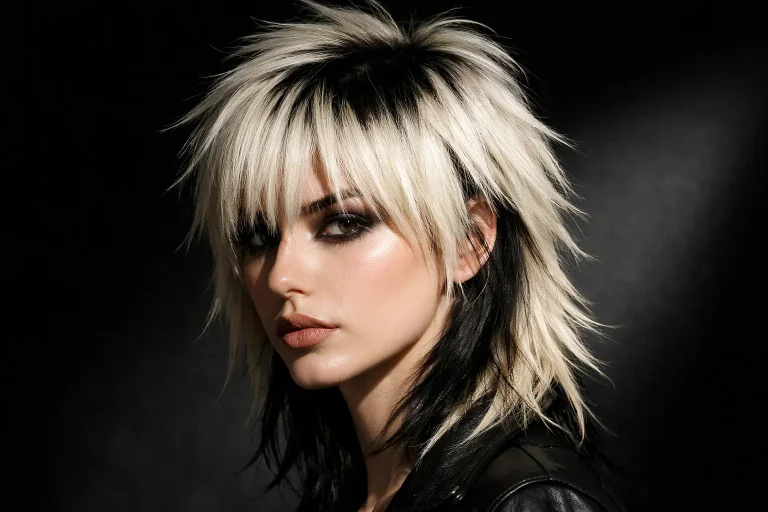
Color amplifies the wolf cut more dramatically than almost any other style because the disconnected layers create natural sections that showcase contrasting tones beautifully. A two-tone wolf cut using deep natural roots with lighter bleached or highlighted upper layers, or a vivid color combination like black and copper, transforms the already bold cut into a complete statement that is impossible to overlook.
10. The Dimensional Butterfly Cut With Highlights
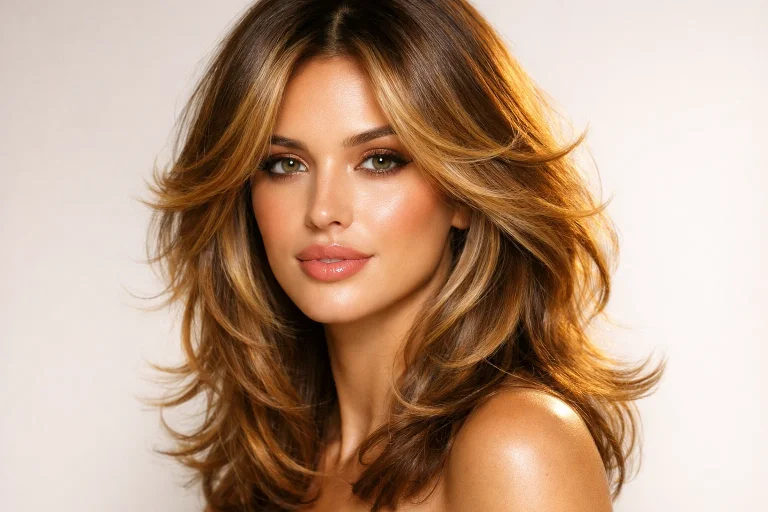
The butterfly cut similarly benefits from color, though the approach suits a different aesthetic. Dimensional highlights running through the cascading layers of a butterfly cut catch light differently at each length, creating a glowing, multidimensional effect that enhances the movement of the style. This combination is one of the most polished and sophisticated options in the entire wolf cut versus butterfly cut discussion.
Which Cut Works Best for Your Face Shape
Face shape plays a significant role in determining which of these two styles will be most flattering for you personally. The wolf cut tends to work particularly well for oval and round faces. The volume concentrated at the crown adds height, while the face-framing layers create a vertical elongation that balances rounder proportions. The choppy, edgy quality of the wolf cut also pairs well with stronger, more angular jaw structures, where its deliberate wildness adds contrast.
The butterfly cut is often considered especially well suited for heart-shaped and square faces. The volume and lift at the crown combined with the soft, flowing layers that fall past the jaw create a beautifully balanced silhouette for heart-shaped faces. For square faces, the softness of the butterfly cut counterbalances stronger angles without the aggressive texture of the wolf cut, which can sometimes emphasize rather than soften a square jawline.
Styling and Maintenance Compared
The wolf cut is intentionally low maintenance in its daily styling demands. Its whole appeal rests on the lived-in, effortlessly textured look that comes from simply allowing it to air dry or applying a sea salt spray or texturizing product to damp hair and letting the layers fall where they will. It grows out gracefully because its deliberately undone quality means the transition between trims is barely noticeable. Salon visits every eight to ten weeks are typically sufficient.
The butterfly cut requires slightly more consistent styling effort to maintain its signature look. A blow-dry using a large round brush or hot rollers to lift the crown layers outward is the standard technique for achieving the wing effect that gives the cut its name. Without this styling step, the butterfly cut can flatten and lose its defining characteristic. It benefits from a volumizing mousse applied at the roots and typically needs trimming every six to eight weeks to keep the layers from blending into each other as the hair grows.
Choosing Between Wolf Cut and Butterfly Cut
The decision between these two styles ultimately comes down to your personality, your daily routine, and the kind of statement you want your hair to make. If you are drawn to texture, edge, and a look that communicates individuality without requiring much maintenance, the wolf cut is your natural match. If you prefer softness, volume, and a polished elegance that still carries significant impact, the butterfly cut speaks your language. Both styles are fully customizable, deeply flattering across a wide range of hair types, and genuinely exciting to wear.
Conclusion
The wolf cut versus butterfly cut conversation is one of the most interesting in contemporary hairstyling precisely because both sides have such a strong case. They share the same fundamental tool, which is layering, but they use it to achieve completely different results. Whether you are drawn to the raw, untamed energy of the wolf cut or the flowing, wings-in-the-wind elegance of the butterfly cut, both styles represent the best of what modern haircutting has to offer. The ten ideas presented in this article cover the full range of what each style can achieve. All that remains is choosing the one that feels most like you.
Frequently Asked Questions
1. What is the main difference between the wolf cut and the butterfly cut?
The wolf cut features choppy, disconnected layers with an edgy, textured finish rooted in shag and mullet aesthetics. The butterfly cut uses softer, blended layers that create a flowing, voluminous effect resembling butterfly wings when styled.
2. Which cut is easier to maintain daily?
The wolf cut is generally lower maintenance as it looks best when slightly undone and air dried. The butterfly cut requires more regular styling, particularly blow-drying with a round brush to achieve its signature lifted crown effect.
3. Can both cuts work on straight hair?
Yes. Both cuts work on straight hair, though the wolf cut may require more product to build texture on very straight strands. The butterfly cut tends to translate more naturally onto straight hair due to its blended, smooth layering technique.
4. Which style suits fine hair better?
The butterfly cut is generally more flattering for fine hair as its blended layers create the illusion of volume and fullness. The wolf cut can also work on fine hair but requires careful layer placement to avoid appearing thin or sparse.
5. How often do these cuts need trimming?
The wolf cut typically needs a trim every eight to ten weeks. The butterfly cut requires more frequent attention, usually every six to eight weeks, to maintain the structured layering that gives it its distinctive shape.