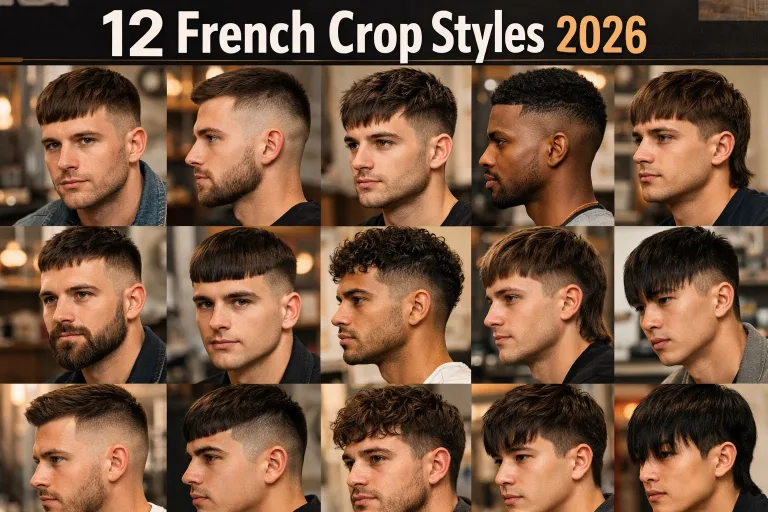
The French crop has earned its place as one of the most requested haircuts in barbershops worldwide, and 2026 is proving to be its most exciting year yet. Originally rooted in military practicality and later refined by European fashion, this cut has evolved into a remarkably adaptable style that works across hair types, face shapes, and personal aesthetics. Its defining characteristic remains the same: short back and sides paired with a forward-pushed fringe that frames the face with quiet confidence. What makes 2026 special is the sheer range of directions this haircut is heading. From ultra-precise skin fades to relaxed, lived-in textures, the modern French crop has something for every man who values looking sharp without spending an hour in front of the mirror.
What Makes the French Crop a Timeless Choice
Before exploring individual styles, it helps to understand why this cut continues to dominate. The French crop thrives because of three structural elements: the fringe, the crown texture, and the fade or taper on the sides. The fringe can be blunt and heavy or choppy and piecey. The crown can be flat and controlled or voluminous and expressive. The sides can carry anything from a subtle low taper to a dramatic skin fade. This three-part framework gives barbers and clients enormous creative freedom while keeping the silhouette clean and intentional. It also performs well across all hair textures, including straight, wavy, curly, and thick, making it genuinely universal.
12 Unique French Crop Styles Trending in 2026
1. The Classic French Crop
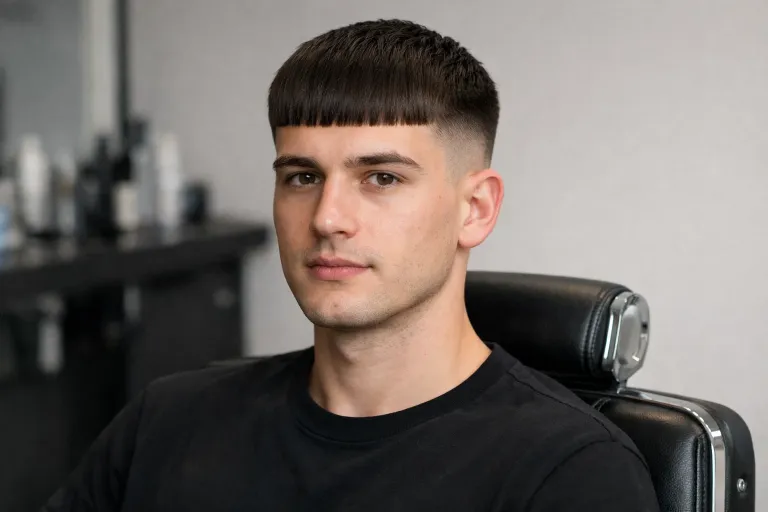
The original blueprint remains as relevant as ever. Short, neat sides with a blunt fringe cut just above the eyebrows create a look that is clean without being clinical. This version suits men who want reliable style with minimal maintenance. A small amount of matte paste applied with the fingers is all the product needed.
2. The Skin Fade French Crop
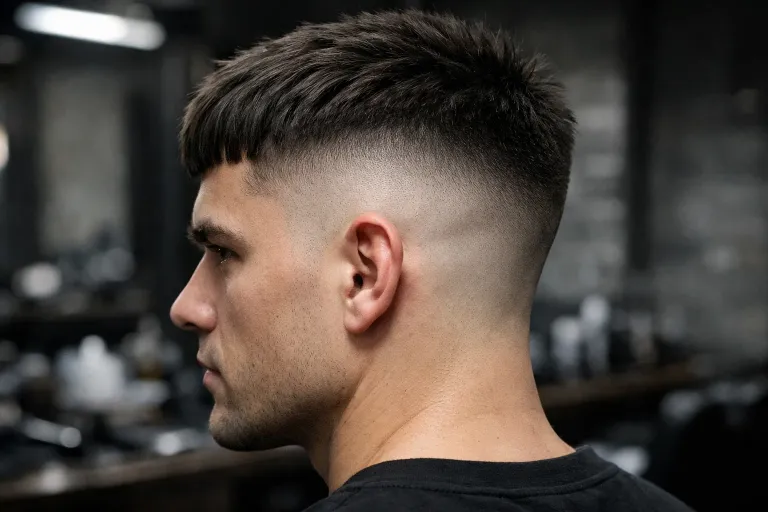
The skin fade takes the sides down to the scalp for sharp, high-contrast results. The transition between bare skin and the textured top creates a bold visual effect that photographs beautifully and looks even better in person. This version demands a skilled barber and a trim every three to four weeks to stay fresh.
3. The Textured French Crop
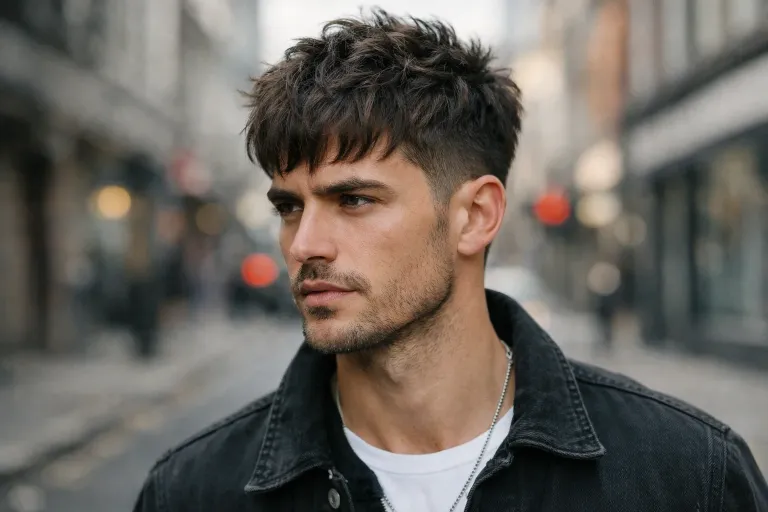
Choppy layers through the crown and fringe give this version its personality. The textured French crop works especially well for men with thick or wavy hair because the layering controls bulk while adding movement. Matte clay worked through slightly damp hair is the go-to product for this look.
4. The Low Taper Fade French Crop

The low taper fade begins just above the ears and creates a gentle, professional gradient that works as well in a boardroom as it does on a weekend. This version is ideal for men entering their first experience with fades or those working in conservative environments. It pairs naturally with a beard.
5. The French Crop with Beard Combination
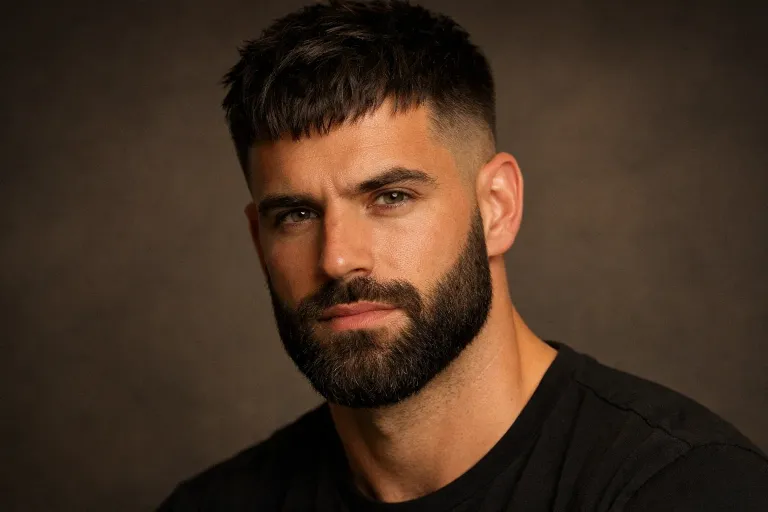
Pairing the crop with a well-maintained beard remains one of the strongest masculine style moves of 2026. The contrast between the textured fringe and a shaped beard creates a balanced, structured frame for the face. Whether the beard is stubble or a full box, matching the fade on the sides to the beard line produces the cleanest finish.
6. The Blunt Fringe French Crop
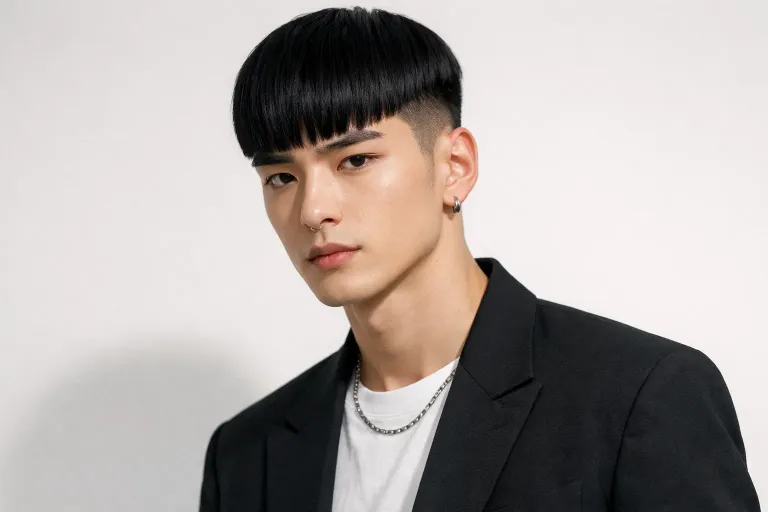
Inspired by Korean and Japanese menswear aesthetics, the blunt fringe French crop features a perfectly straight, heavy fringe cut at eyebrow level. The sides stay tightly faded for contrast. This version reads as bold and fashion-forward, and it suits men with straight or only slightly wavy hair best.
7. The Curly French Crop
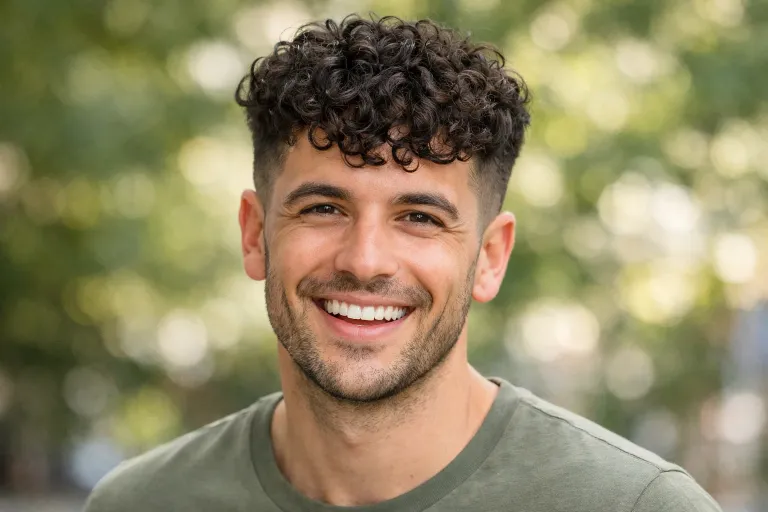
Natural curl texture transforms the French crop into something entirely different from its straight-haired counterpart. The fringe takes on volume and bounce while the faded sides keep the shape disciplined. A curl-defining cream applied to damp hair helps the curls hold their shape without becoming stiff or crunchy.
8. The French Crop Mullet
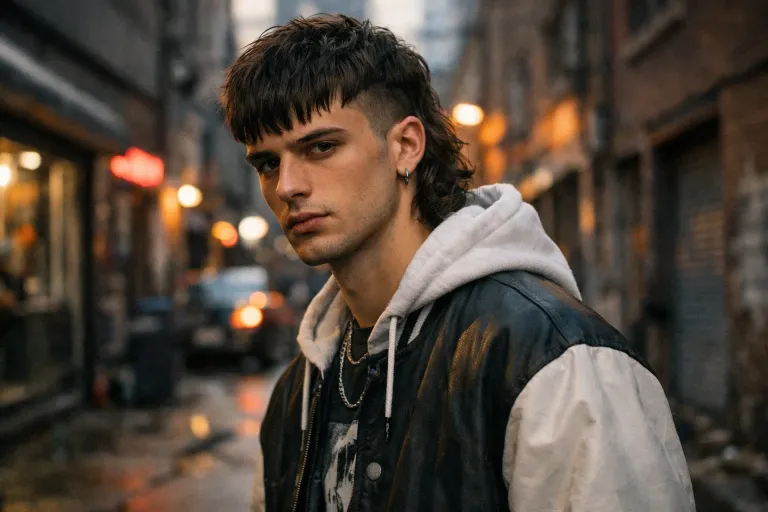
The most unconventional entry on this list, the crop mullet combines the structured front of a French crop with extra length left at the nape. Often called the cropped mullet, this hybrid speaks to the broader 2026 trend of blending contrasting elements into one cohesive look. It works best on men with naturally textured or wavy hair.
9. The High Fade French Crop
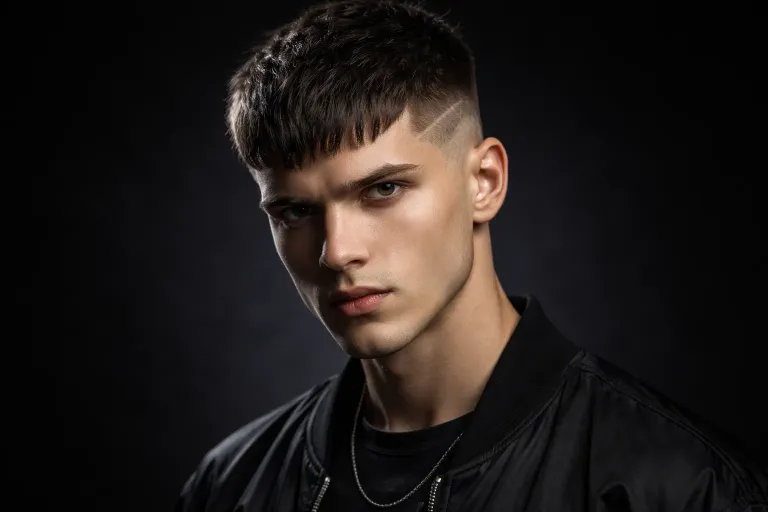
The high fade pushes contrast to its extreme by bringing the bare skin further up the sides of the head. The result is a look with serious attitude and a strong visual impact. The defined fringe becomes the clear focal point, and adding a hard line or graphic detail to the fade amplifies the effect further.
10. The Edgar Crop
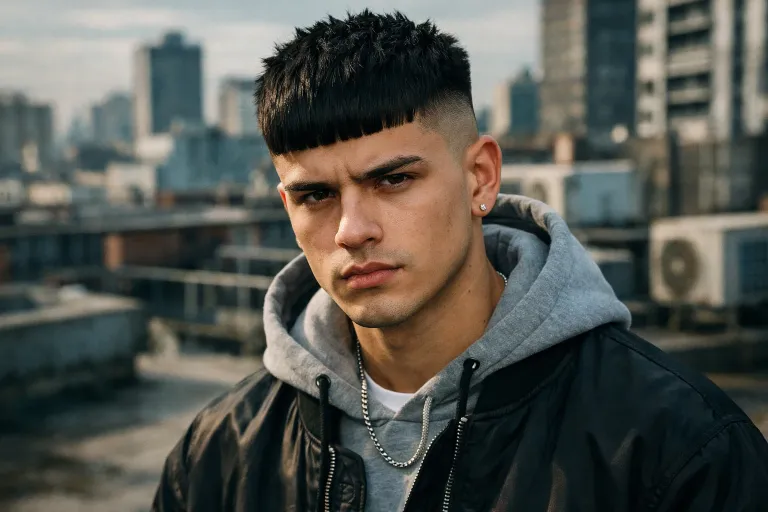
The Edgar crop places the French crop in conversation with streetwear culture. It features a heavy, squared-off fringe cut at a hard horizontal line combined with a high skin fade. The top carries choppy, bold texture. This look suits thick hair and works best when the fringe is kept deliberate and well-defined with a strong-hold matte clay.
11. The Wavy French Crop

For men with natural wave patterns, the wavy French crop offers a relaxed interpretation of the style. The wave texture through the fringe and crown adds dimension without any extra product, and a low or mid taper on the sides keeps the look refined. This version has a coastal, effortless appeal that translates well across casual and smart-casual settings.
12. The Long Fringe French Crop
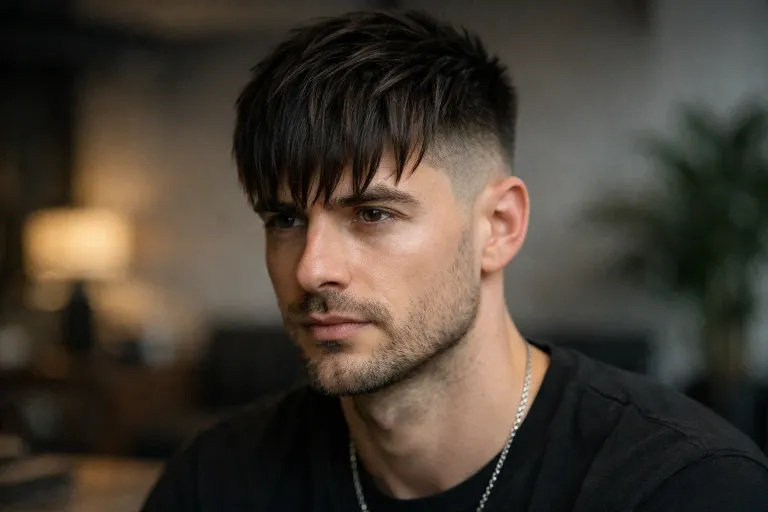
Pushing the conventional boundaries of the cut, the long fringe French crop grows the top to between four and seven inches and allows the fringe to skim or even pass the eyebrows. Aggressively faded sides balance the dramatic length on top. A round brush and blow dryer help direct the fringe forward, with a light wax providing separation and definition.
How to Choose the Right Version for Your Face Shape
Face shape is the most practical guide when selecting a French crop variation. Oval faces can carry virtually every version on this list. Square faces benefit from a structured top and defined fringe that balances the jawline. Round faces look sharper with a mid or high fade that adds visual height. Heart-shaped faces are flattered by a fuller fringe that balances a wider forehead against a narrower chin.
Styling and Maintenance Tips
The product philosophy for French crop styles in 2026 is firmly in the matte camp. High-shine pomades and gels have given way to matte clays and pastes that deliver texture and hold without looking wet or overdone. A thumbnail-sized amount of matte clay worked between the palms and applied to slightly damp hair is the standard approach for most textured versions. For longer fringes, a blow dryer directed forward while lifting at the roots creates volume and shape. Most faded versions require a barber visit every three to four weeks, while longer or more relaxed versions can extend to five or six weeks.
Conclusion
The French crop in 2026 is not one haircut but an entire family of styles connected by a shared structure and a collective philosophy of purposeful simplicity. Whether you are drawn to the crisp precision of a skin fade version, the cultural boldness of the Edgar crop, or the effortless texture of the wavy variation, there is a French crop built for your hair type, your face shape, and your lifestyle. The best version is the one that works with what you already have and reflects how you want to present yourself to the world. Take this guide to your barber, describe what appeals to you, and let the cut do the rest.
5 Frequently Asked Questions
Q1. What is a French crop haircut?
A French crop is a men’s short haircut characterized by a forward-pushed fringe, textured crown, and faded or tapered sides. It is low maintenance, versatile, and suits most hair types and face shapes.
Q2. How often should I trim a French crop to keep it sharp?
For faded versions, a visit to the barber every three to four weeks keeps the sides clean and defined. Longer or more relaxed variations can be maintained on a five to six week schedule.
Q3. What hair products work best for a French crop in 2026?
Matte clay or matte paste is the preferred choice in 2026. These products provide texture and flexible hold without the shine that heavier pomades or gels create. Apply a small amount to damp or dry hair and work through with the fingers.
Q4. Does the French crop suit men with receding hairlines?
Yes. The forward fringe of the French crop is particularly effective at drawing attention away from a receding hairline. Barbers often recommend it specifically for this reason because the fringe creates a clean, intentional look at the front of the head.
Q5. What is the difference between a French crop and a textured crop?
A textured crop refers broadly to any short, layered cut with choppy texture on top. A French crop is more specific: it always includes a forward-facing fringe as its defining feature. The French crop can be textured, but not every textured crop qualifies as a French crop.
2 Comments