
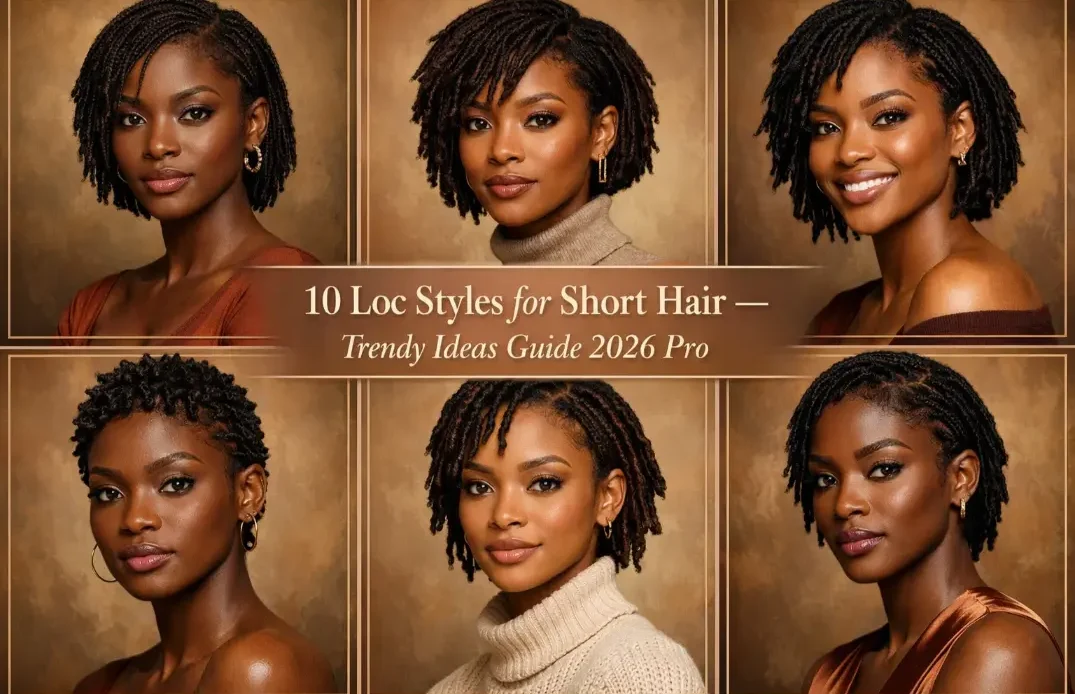
Short hair and locs are no longer a contradiction. For years, many people believed you needed considerable length before beginning a loc journey, but that thinking has been thoroughly dismantled by a growing community of loc wearers who started with two inches or less. Whether you have recently done the big chop, are working with a tighter coil pattern that keeps your strands appearing shorter than they are, or simply prefer a more compact aesthetic, there are more beautiful loc styles for short hair than ever before.
The loc movement in 2026 leans hard into self-expression, protective styling, and cultural pride. Locs are no longer confined to any single look or length. From structured micro locs that give a sculptural finish to free-flowing comb coils that invite growth, short hair offers a canvas that is surprisingly rich with creative possibility. This guide breaks down 10 of the most compelling, current, and wearable loc styles for short hair, along with everything you need to know to make your choice with confidence.
1. Two-Strand Twist Starter Locs
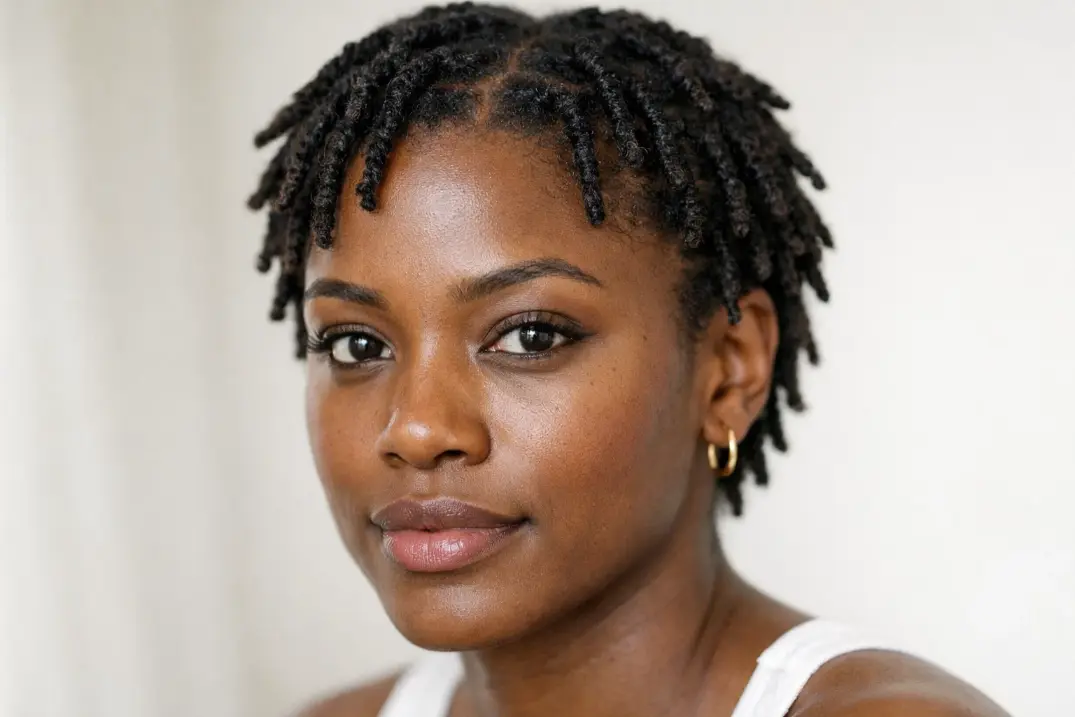
Two-strand twists remain one of the most popular and forgiving entry points into the loc world, and they work well on hair as short as 3 to 4 inches. The technique involves dividing each section of hair into two pieces and wrapping them around each other from root to tip. Over time, as the hair matures, the twists fuse together into defined, rounded locs with a beautiful ridged texture. The result has more volume than a flat braid starter loc and tends to produce locs with a fuller body as they develop. This style is ideal for those with naturally coily or kinky hair because the curl pattern encourages the strands to lock faster and more uniformly.
2. Comb Coil Locs
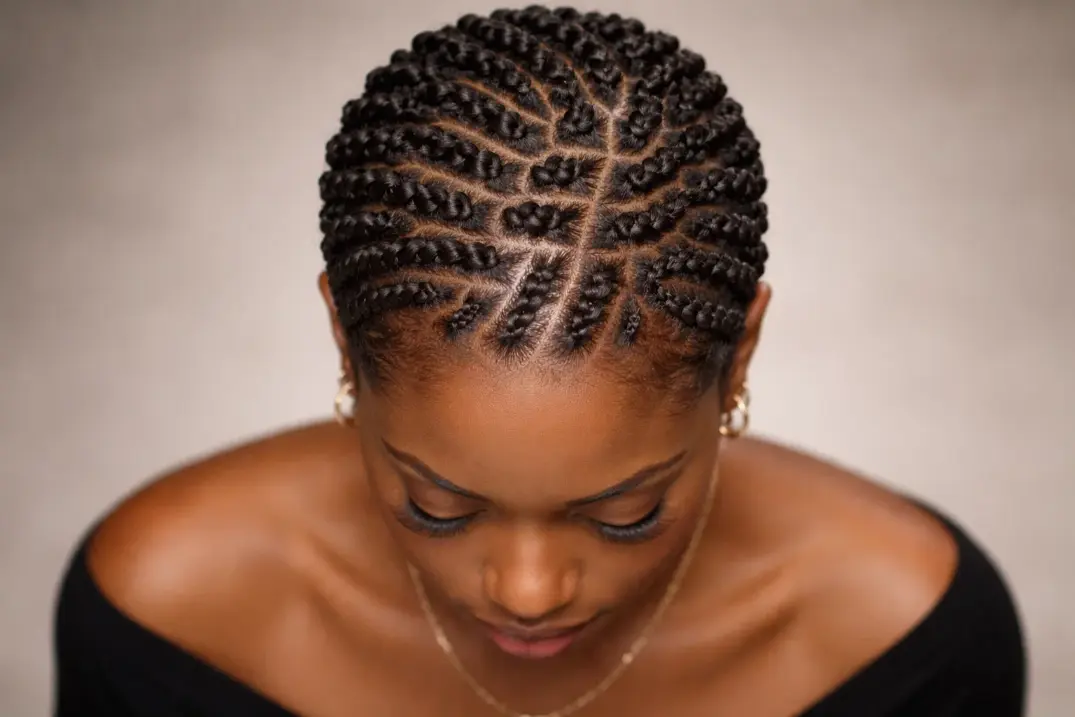
Comb coils are among the most accessible starter loc styles for very short hair, with some locticians recommending the method for hair that is just 1 to 2 inches long. A fine-tooth comb is used to spin each sectioned piece of hair into a tight, uniform spiral. The coils hold their shape remarkably well in tighter curl patterns, and they eventually evolve into smooth, cylindrical locs over time. Comb coils give a polished, intentional finish that photographs beautifully at every stage, which is why they are a favorite starting method for people documenting their loc journey.
3. Finger Coil Locs
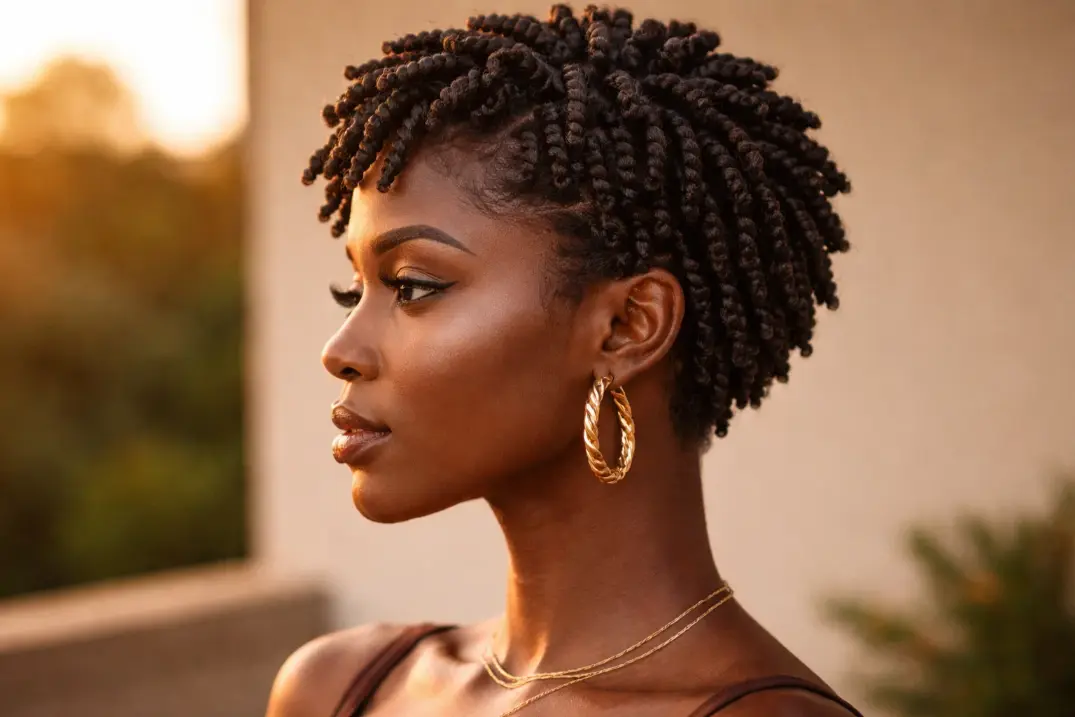
Finger coils are the more hands-on cousin of comb coils. Instead of a tool, you use your fingertip to wrap small sections of hair into a defined spiral from root to end. This method is especially popular for those with curly to coily hair in the 3B to 4C range. On short hair, finger coils create a densely textured crown that can look almost like a garden of tight curls in the early weeks before the locking process truly begins. The more precise you are with your sections and tension, the more uniform the mature locs will eventually become. Many stylists recommend a light holding gel or loc cream to help the coils hold their shape during the early budding phase.
4. Micro Locs on Short Hair
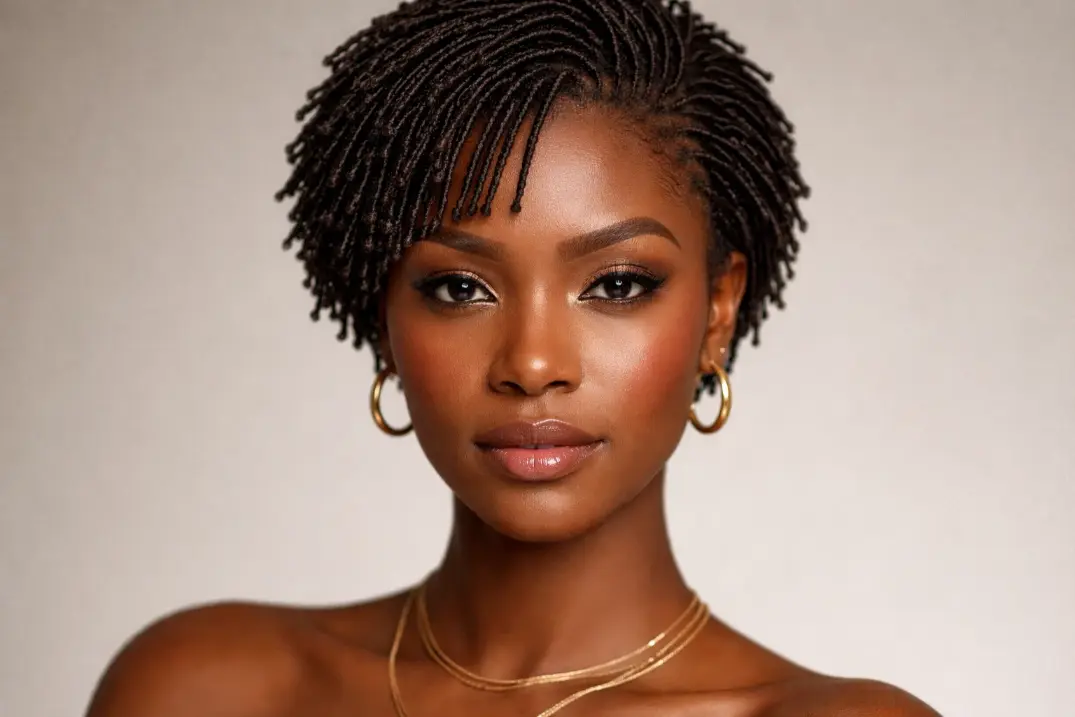
Micro locs are tiny, precise locs roughly the width of a shoelace, and they have surged in popularity because of the incredible styling versatility they offer. Unlike traditional locs that are installed in larger sections, micro locs are created across a grid pattern using twisting, braiding, or coiling of very small segments of hair. Even on short hair, micro locs create an effect of fullness and dimension because of the sheer number of individual strands involved. They can be gathered into half-up buns, pulled into small updos, or worn loose for a statement of natural texture. The installation takes significant time, but the payoff is a highly customizable, low-manipulation style that grows gracefully over the years.
5. Tapered Loc Bob
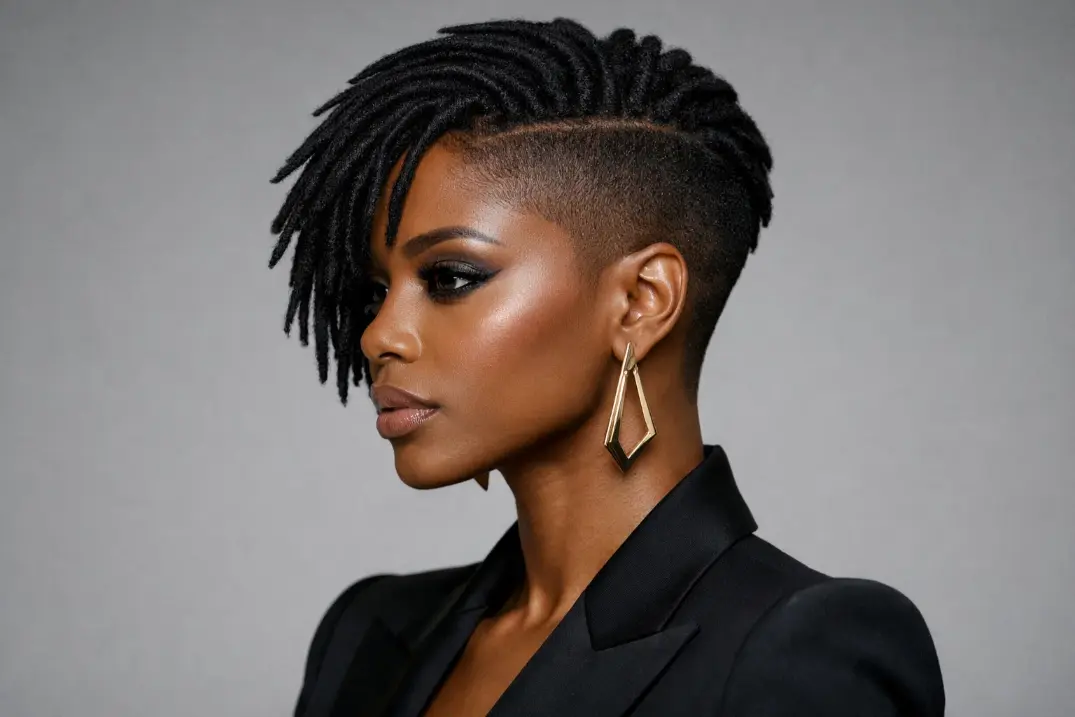
For those who want a structured, fashion-forward look, the tapered loc bob delivers sophistication without sacrificing edge. This style features shorter sides and a cleaner nape with slightly longer locs on the crown and top. The graduation creates a shape that frames the face beautifully and is widely considered one of the most polished short loc looks available today. The tapered loc bob has become particularly popular in professional settings because it strikes a balance between cultural expression and boardroom acceptability. Adding subtle highlights or honey-blonde tones to the longer sections at the top adds dimension and makes the geometric shape even more pronounced.
6. Sponge Method Locs
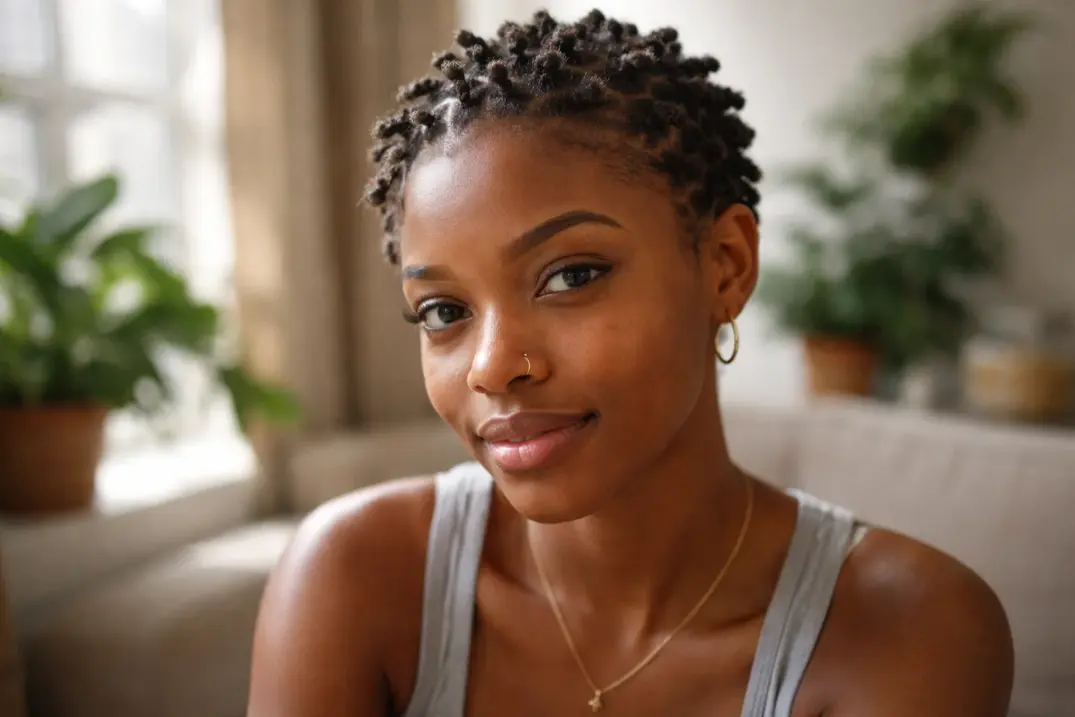
The sponge method uses a hair sponge with small holes across its surface, which you rub in circular motions across your natural hair to form small, textured knots. It is one of the easiest approaches for very short hair and is particularly effective on tightly coiled textures. The result is a bed of small, rounded buds that sit close to the scalp and gradually lock over time. This method requires minimal products and tools, making it a popular choice for beginners who want a low-investment entry into the loc lifestyle. The sponge method starter look tends to produce a natural, lived-in aesthetic rather than a perfectly uniform grid, which many people find appealing for its organic quality.
7. Braided Starter Locs
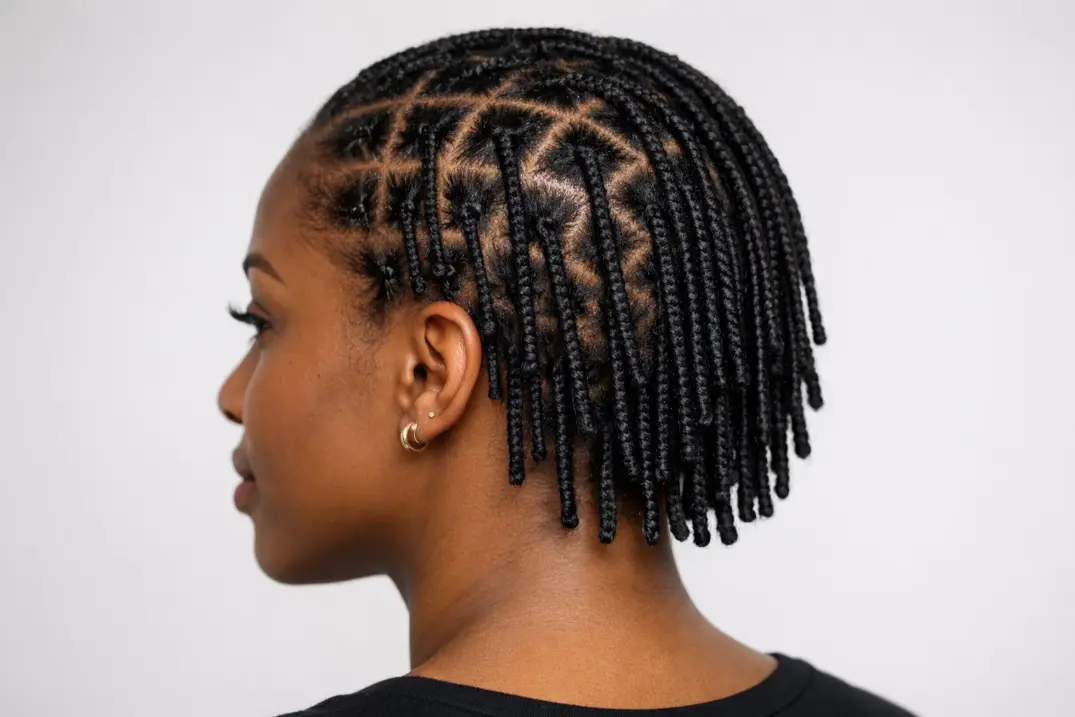
Using braids as a foundation for locs is an excellent option for those with looser curl patterns or fine hair that struggles to hold a twist. Hair is sectioned and braided from root to tip using tight, uniform plaits. Over time, the braided sections matt and fuse into locs that carry a slightly flatter profile than twist-started locs. This style works on hair as short as 2 inches and provides a very secure starting point that resists unraveling during the early weeks. Braided starter locs also work well for people who are active, sweat frequently, or need a style that holds during exercise.
8. Loc Knots for Short Hair
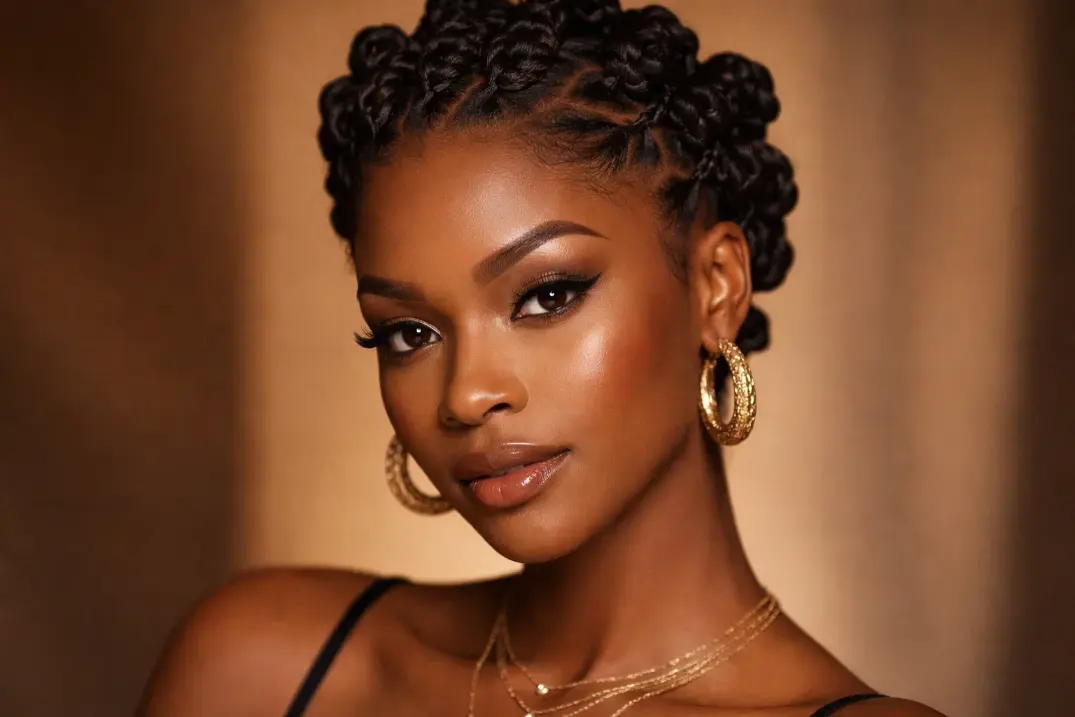
Loc knots are a creative styling option for those whose locs have reached a length of at least 3 to 5 inches. The technique involves twisting and looping individual locs into small knot shapes secured close to the scalp. The resulting look has a sculptural, textured quality that feels playful without appearing juvenile. Loc knots can be worn all over the head for a uniform pattern or clustered at the crown for an asymmetric effect. They are also commonly used as a transitional style between retwist sessions, helping to keep growing locs neat and contained as they pass through the sometimes awkward baby loc phase.
9. Faux Locs for Short Hair
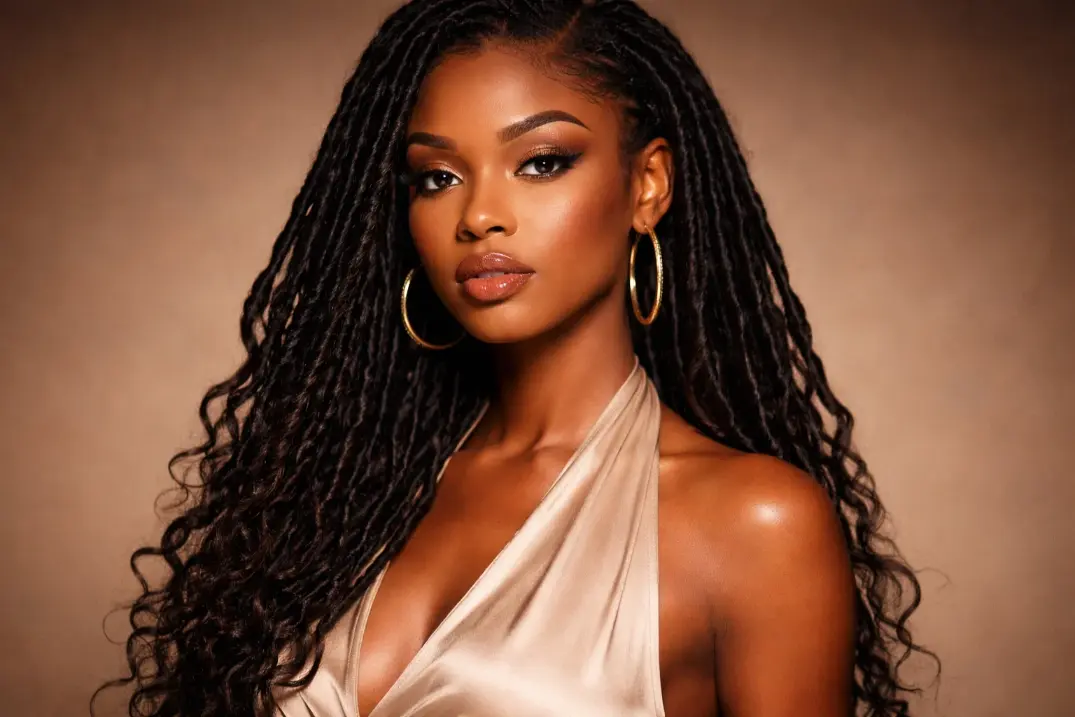
Faux locs offer the visual impact of a mature loc style without the multi-year commitment or the waiting period. Synthetic or natural hair extensions are wrapped around braids or your own natural hair to simulate the look and weight of real locs. For people with short natural hair, faux locs provide an immediate transformation with significant length and texture. Soft faux locs, goddess locs with loose curly ends, and distressed faux locs are among the most requested variations in 2026. The style typically lasts four to eight weeks and is a brilliant way to test whether the loc aesthetic suits your face shape and personal style before committing to a permanent journey.
10. Interlocked Locs on Short Hair
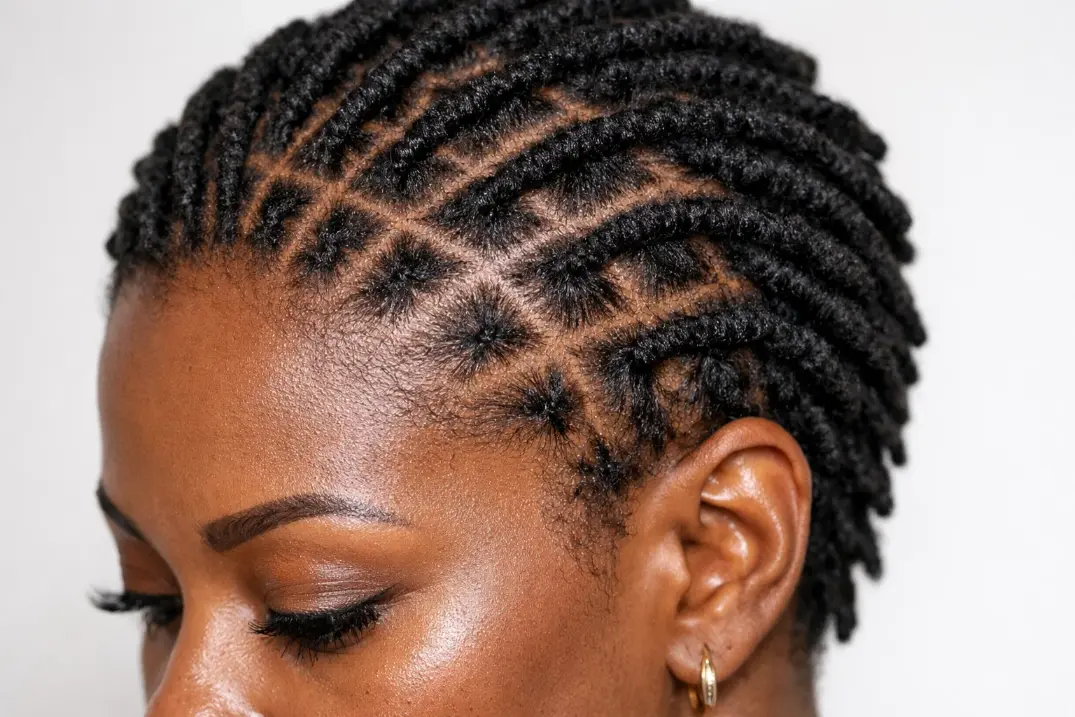
Interlocking is a method where a latch hook tool is used to pull the new growth of each loc through its own base in a rotating pattern. The result is a very secure, tight foundation at the root that is particularly durable during washing and exercise. For short hair, interlocking is often recommended as a maintenance approach rather than a starting method, but it can be used to begin the loc journey for those who want maximum root security from the start. Interlocked locs tend to have a neater, more angular part pattern and are a favorite among people who prefer a very groomed, uniform look at every stage of growth.
Essential Tips for Maintaining Short Locs
Regardless of which style you choose, proper care during the early stages makes a significant difference in the health and appearance of your locs. Always use a residue-free shampoo to keep the scalp clean without leaving buildup that can interfere with the locking process. Avoid heavy waxes, which were once common in loc culture but are now widely understood to slow down locking and cause accumulation deep inside the loc. Sleeping on a satin or silk pillowcase, or securing your hair in a satin bonnet, reduces friction and keeps your locs from fraying overnight. Moisturize with a light water-based spray to maintain elasticity, and give your locs time. Patience is not just a virtue in the loc journey, it is a prerequisite.
Conclusion
Short hair is not a barrier to starting locs. It is, in many ways, the perfect starting point. With a wide range of techniques suited to every curl pattern, hair density, and personal aesthetic, anyone with as little as an inch or two of natural hair can begin a loc journey that will continue to evolve and grow for years to come. Whether you opt for the precision of micro locs, the ease of the sponge method, the instant gratification of faux locs, or the structured elegance of a tapered loc bob, 2026 offers more inspiration and knowledge than any previous generation of loc wearers. Choose the style that honors your hair texture, your lifestyle, and your vision of yourself, and trust the process every step of the way.
Frequently Asked Questions (FAQs)
1. How short can your hair be to start locs?
Most locticians recommend having at least 2 inches of natural hair before beginning locs, though some methods like the sponge technique and comb coils can work on hair as short as 1 inch. The key factor is whether your hair has enough length to hold a section together. Tighter curl patterns tend to grip and lock faster, which makes shorter hair more viable than it might appear.
2. How long does it take for short locs to mature?
The budding and maturing timeline varies by hair type, the method used, and how consistently the locs are maintained, but most people can expect the process to take anywhere from 12 to 24 months. Tightly coiled hair tends to lock faster than looser textures. During this period, your locs will pass through the budding phase, the teenage phase, and finally the mature phase, each bringing visible changes in shape, texture, and stability.
3. Can I wash my hair after starting locs?
Yes, but timing and technique matter. Many stylists recommend waiting two to four weeks after starting locs before the first wash, allowing the initial structure to settle. When you do wash, use a residue-free or clarifying shampoo and focus on gently massaging the scalp without disturbing the locs themselves. Rinse thoroughly, pat dry with a microfiber towel, and allow locs to air dry completely before sleeping or covering them.
4. Are faux locs safe for short natural hair?
Faux locs can be safely worn on short natural hair as long as the installation is not too tight and the extensions are not excessively heavy. Overly tight braiding at the roots or very heavy synthetic hair can cause traction and stress at the hairline. Choose lightweight faux loc hair, ensure your stylist does not braid too tightly, and limit the wear to four to eight weeks to protect your natural hair underneath.
5. What is the best product to use for starter locs on short hair?
Lightweight, water-based loc gels and creams are widely considered the best products for starter locs. They provide enough hold to keep the coils or twists in place during the early weeks without leaving residue that can slow down the locking process. Avoid products with heavy oils, waxes, or petroleum-based ingredients. A gentle, residue-free shampoo and a light, aloe-based moisturizing spray for daily hydration round out a solid starter loc product routine.
1 Comment